Under the newly approved Master Plan for Delhi (MPD)-2047, property owners can now monetize unused construction rights through the Transferable Development Rights (TDR) mechanism. This move aims to boost slum rehabilitation and heritage conservation.
- DDA introduces Transferable Development Rights (TDR) under the MPD-2047.
- Property owners can sell unused construction rights to other developers.
- TDR will incentivize heritage preservation, Walled City regeneration, and slum rehabilitation.
- A dedicated single-window portal will be launched by DDA for TDR trading.
New Delhi: In a landmark move to reshape urban development, the Delhi Development Authority (DDA) has approved a provision in the Master Plan for Delhi (MPD)-2047 that allows property owners to sell their unused construction rights. This mechanism, known as Transferable Development Rights (TDR), is designed to create a market-driven approach to urban challenges.
The introduction of TDR aims to solve a long-standing issue where developers, due to height restrictions or land size, cannot utilize the full Floor Area Ratio (FAR) available on a plot. Instead of letting these rights go to waste, they can now be converted into a tradable asset.
How the TDR Mechanism Works
The system distinguishes between a 'Generating Site' and a 'Receiving Site'. When a developer participates in projects like slum rehabilitation or heritage conservation, they may find themselves unable to build to the maximum permitted height or area on that specific plot. In such cases, the DDA will issue a TDR Certificate.
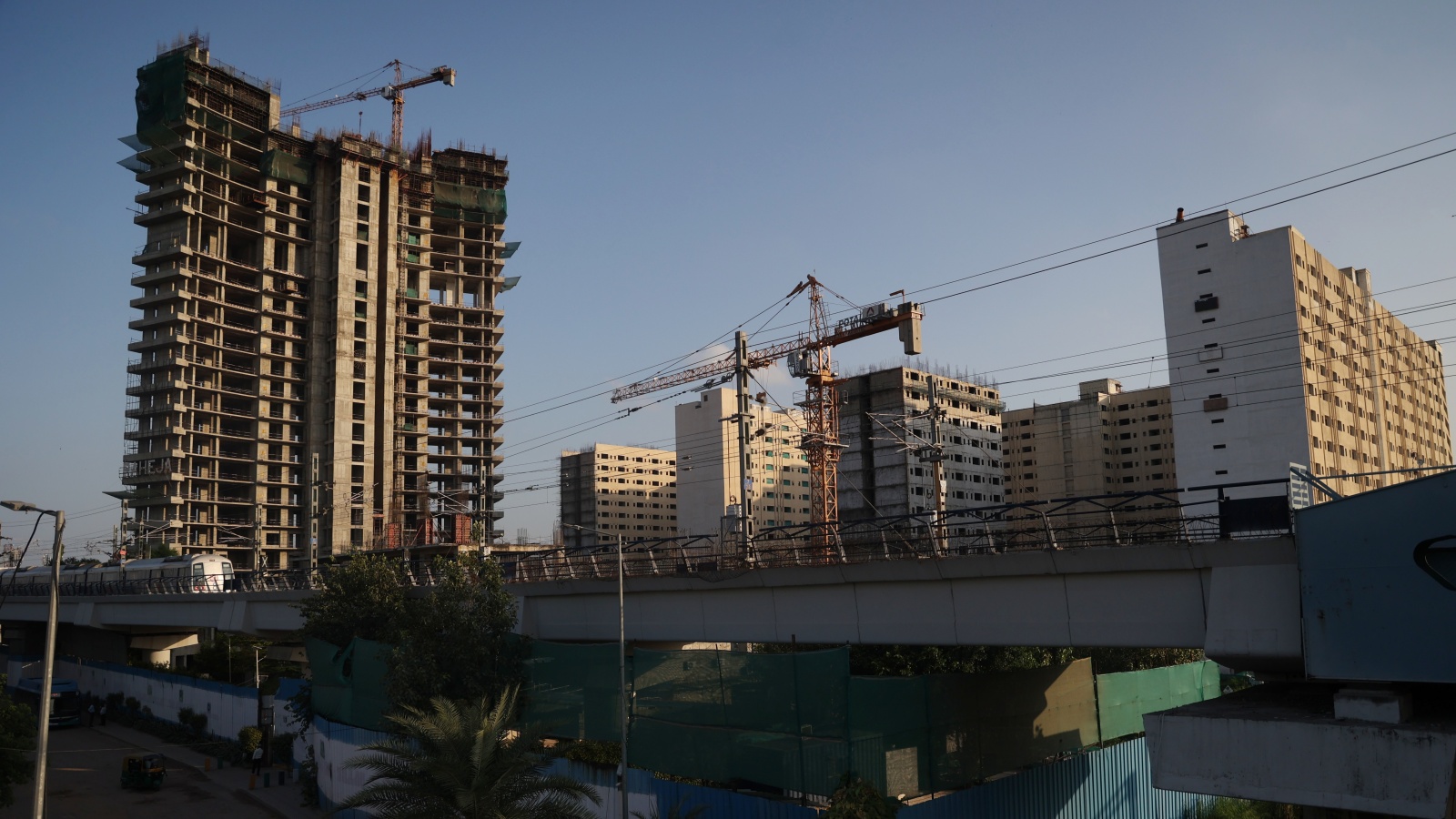
This certificate can then be sold to another developer who wishes to build more extensively in designated 'Receiving Areas', such as Transit-Oriented Development (TOD) zones near Metro corridors, where high FAR is permitted.
Why This Matters
BozokMedia analysis shows that this policy mirrors successful models seen in Mumbai, where TDR has been instrumental in large-scale slum redevelopment. By allowing developers to recover costs through the sale of unused rights, the government makes socially necessary but financially risky projects—like in-situ slum rehabilitation—economically viable.
The TDR mechanism acts as a financial bridge, turning urban conservation obligations into lucrative development opportunities.
Eligibility for TDR Awards
The DDA has outlined three primary scenarios where TDR will be granted:
- Heritage Conservation: To encourage the preservation of Delhi's historical landmarks.
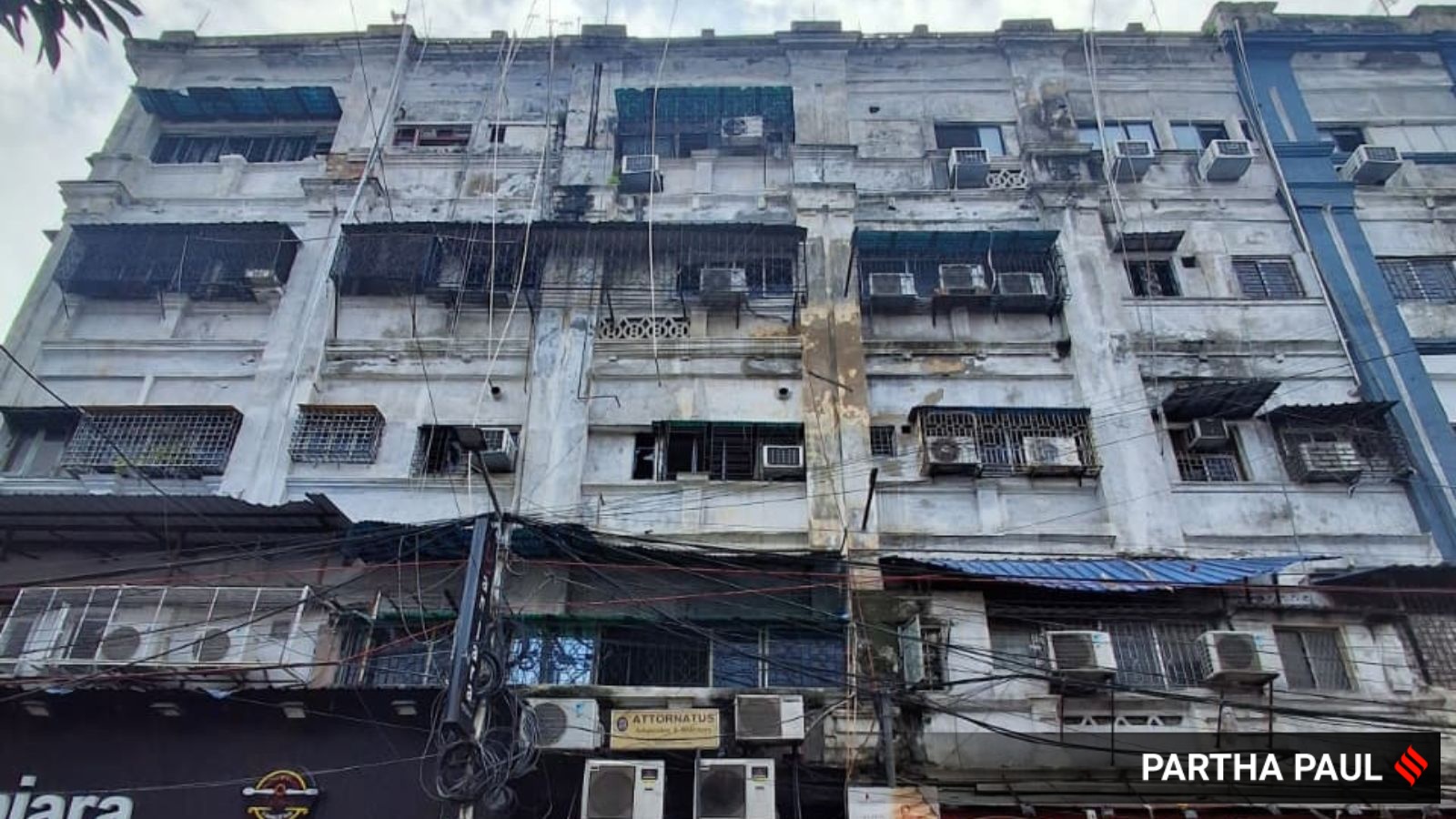
- Walled City Regeneration: To facilitate the redevelopment of old structures in Old Delhi.
- In-situ Slum Rehabilitation: To fund the construction of modern housing for slum dwellers on existing land.
To ensure seamless transactions, the DDA is set to launch a dedicated single-window portal. This digital platform will facilitate the buying, selling, and tracking of TDR certificates, ensuring transparency in the real estate market.
Frequently Asked Questions
1. Where can the TDR rights be used?
They can only be used in designated 'Receiving Areas' identified by the DDA, such as TOD zones.
2. Is there a limit to TDR trading?
TDR certificates are transferable among properties within Delhi, subject to DDA regulations and designated zones.