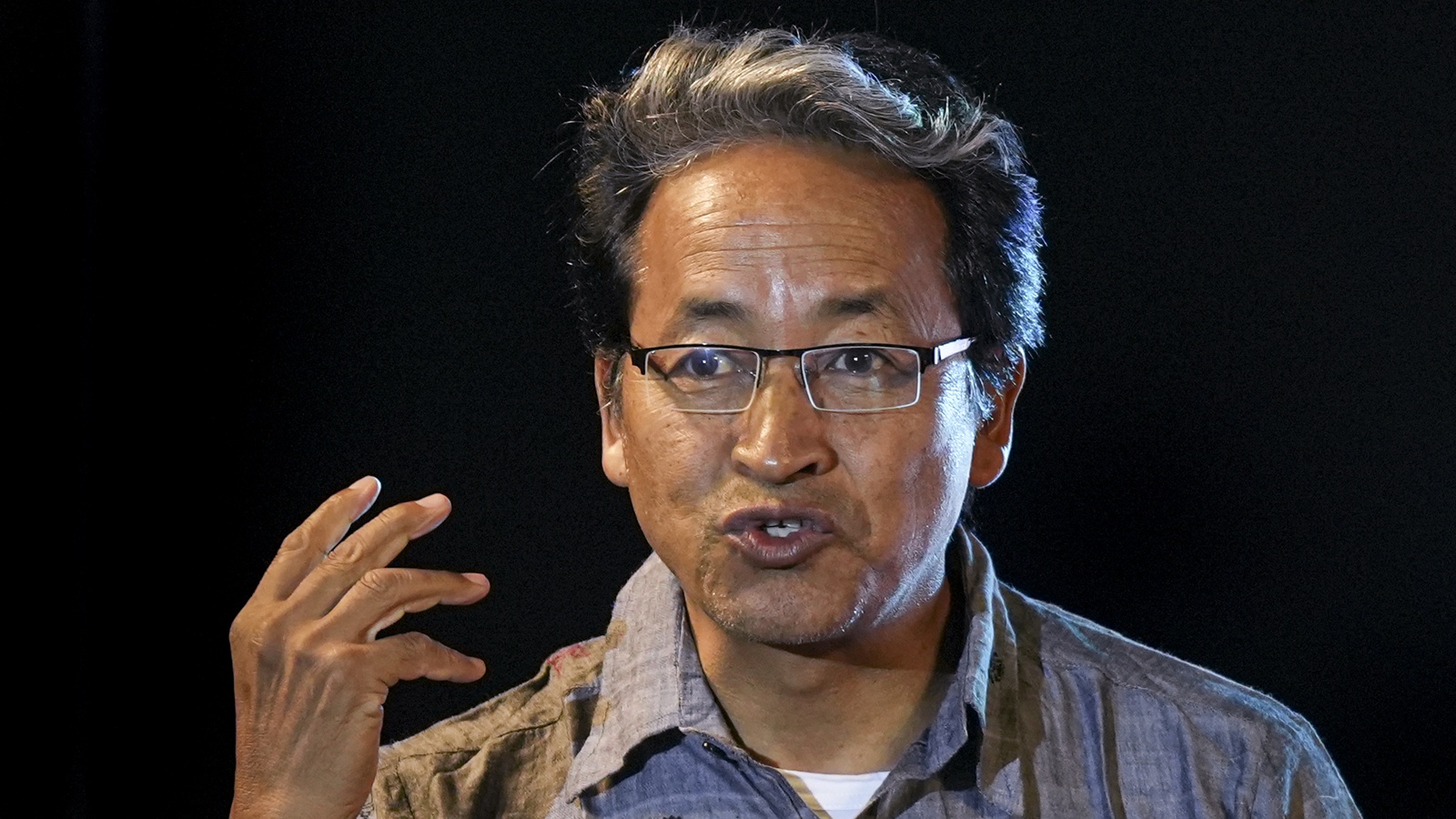
Climate activist Sonam Wangchuk and Ladakhi civil society groups met with the Ministry of Home Affairs to present a list of critical, non-negotiable demands including statehood and financial autonomy.
- Ladakh groups demanded an elected legislature with financial powers.
- Sonam Wangchuk and KDA/LAB leaders led the delegation.
- Demands include a separate Public Service Commission and protection of land rights.
- Call for justice and withdrawal of cases related to the 2025 police firing.
In a significant development regarding the political future of the high-altitude region, members of the Kargil Democratic Alliance (KDA) and the Leh Apex Body (LAB) held a crucial meeting with officials from the Ministry of Home Affairs (MHA) in Leh on Wednesday. The delegation, which included prominent climate activist Sonam Wangchuk, presented a set of 'non-negotiable' demands to the Central Government.
The core of the representation focuses on securing constitutional safeguards for Ladakh. The groups are demanding an elected Union Territory-level legislature that possesses meaningful control over taxation, budgeting, expenditure, and public funds. They argued that for Ladakh to function effectively, it must have a constitutionally protected consolidated fund and contingency fund to ensure financial self-reliance.
Why This Matters
BozokMedia analysis shows that the friction between the Union Territory administration and local civil society is reaching a boiling point. The demand for democratic control over the administration is not merely about political representation, but about preserving the unique socio-economic and demographic fabric of the region against external pressures.
The movement in Ladakh is a profound struggle for identity and the right to self-governance in a strategically sensitive border region.
Furthermore, the representatives emphasized the need for a separate Public Service Commission (PSC). They are seeking the establishment of distinct Ladakh Administrative and Police Services to ensure that local talent is prioritized in the governance of the region. This includes the creation of Ladakh-specific cadres to manage the unique administrative needs of the area.
A deeply emotive part of the meeting involved the aftermath of the police firing incident on September 24, 2025. The groups demanded dignified compensation for victims, justice for those killed, and the unconditional withdrawal of all legal cases against civilians involved in the protests. As the anniversary of this tragedy approaches, the demand for legal redressal remains a central pillar of their movement.
Historical Background: Since the reorganization of Jammu and Kashmir in August 2019, Ladakh has been a Union Territory without a legislature. This administrative shift has triggered widespread protests by both Leh and Kargil districts, who seek protections under the Sixth Schedule of the Indian Constitution to safeguard their land, jobs, and culture.
Frequently Asked Questions
1. What are the 'non-negotiable' points submitted by the Ladakh groups?
The points include an elected legislature, financial autonomy, a separate Public Service Commission, and protection of land and demographic interests.
2. Who participated in the meeting with the MHA?
Key participants included Sonam Wangchuk, Ladakh MP Mohammad Hanifa Jan, Sajjad Kargili, and Chering Dorjay.


