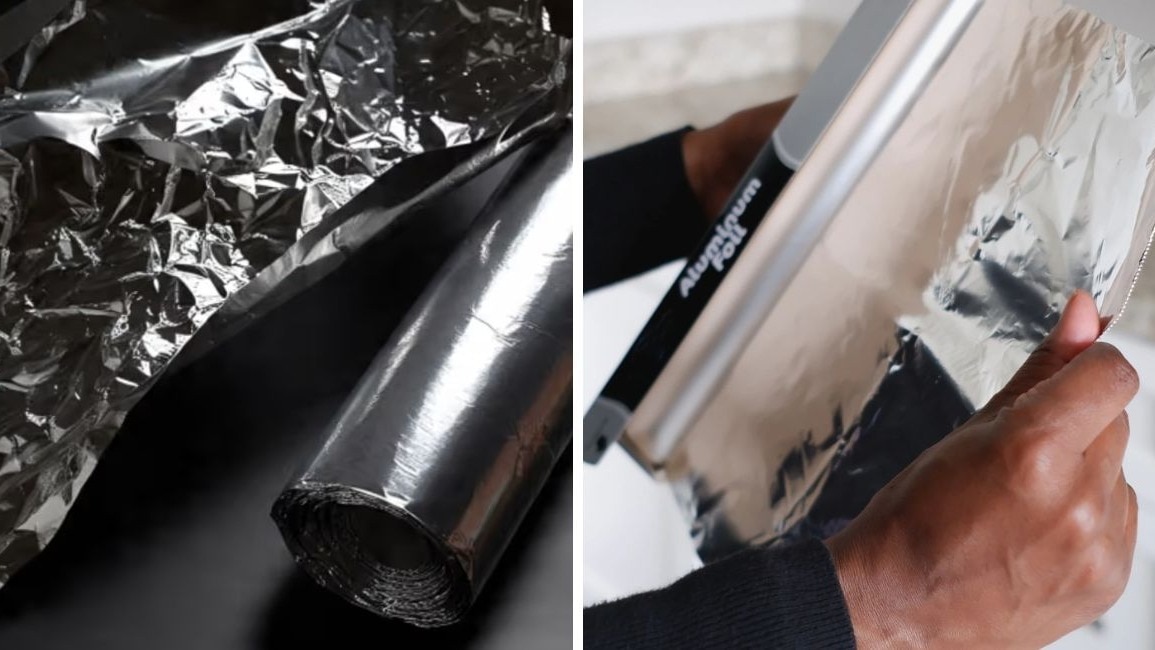
The Bureau of Indian Standards (BIS) conducted a massive raid in Delhi's Mandoli area, seizing over 2,350 non-compliant aluminium foil rolls to protect consumer health.
- BIS seized approximately 2,350 substandard aluminium foil rolls during a raid in Mandoli, Delhi.
- The operation was conducted under Section 28 of the BIS Act, 2016.
- Consumers are urged to verify ISI marks and BIS licenses before purchase.
New Delhi: If you use aluminium foil to wrap rotis, parathas, or other food items at home, this development is critical for your health. The Bureau of Indian Standards (BIS) has executed a major crackdown in the Mandoli area of North-East Delhi, seizing nearly 2,350 substandard aluminium foil paper rolls from a local unit.
The raid was carried out by the BIS Ghaziabad branch team under Section 28 of the BIS Act, 2016. Following intelligence regarding violations of manufacturing standards, officials raided the premises and discovered a massive stockpile of non-compliant rolls. These items have been seized for further investigation and legal proceedings.
Why This Matters
BozokMedia analysis shows that the use of non-standardized food contact materials poses a significant chemical leaching risk. When substandard aluminium foil is exposed to hot food, it can transfer harmful substances directly into the meal, potentially leading to long-term health complications for unsuspecting consumers.
Compliance with quality standards is not just a regulatory requirement; it is a fundamental necessity for public health safety.
The manufacturing and sale of aluminium foil are strictly governed by the Quality Control Order (QCO) notified in 2020. Under these regulations, it is mandatory for manufacturers to possess a valid BIS license and ensure that all products bear the ISI mark. The Mandoli unit was found to be operating in violation of these essential certification norms.
G. Bhawani, Senior Director and Head of the BIS Ghaziabad branch, stated that stringent legal action will be initiated against the concerned firm under the provisions of the BIS Act, 2016. Investigations are currently underway to trace the supply chain of these substandard products.
Historical Background
To mitigate health risks associated with adulterated household goods, the Indian government has progressively introduced mandatory certification for various consumer products. The 2020 QCO for aluminium foil was a landmark move designed to eliminate cheap, uncertified, and potentially toxic products from the domestic market.
Frequently Asked Questions
1. How can I verify if a product has a genuine ISI mark?
Always check for the BIS logo and the license number on the packaging. You can use the 'BIS CARE' mobile app to verify the authenticity in real-time.
2. Where can I report substandard products?
Complaints can be lodged via the BIS CARE app, through official email, or by visiting the nearest BIS branch office. Your identity can remain confidential.