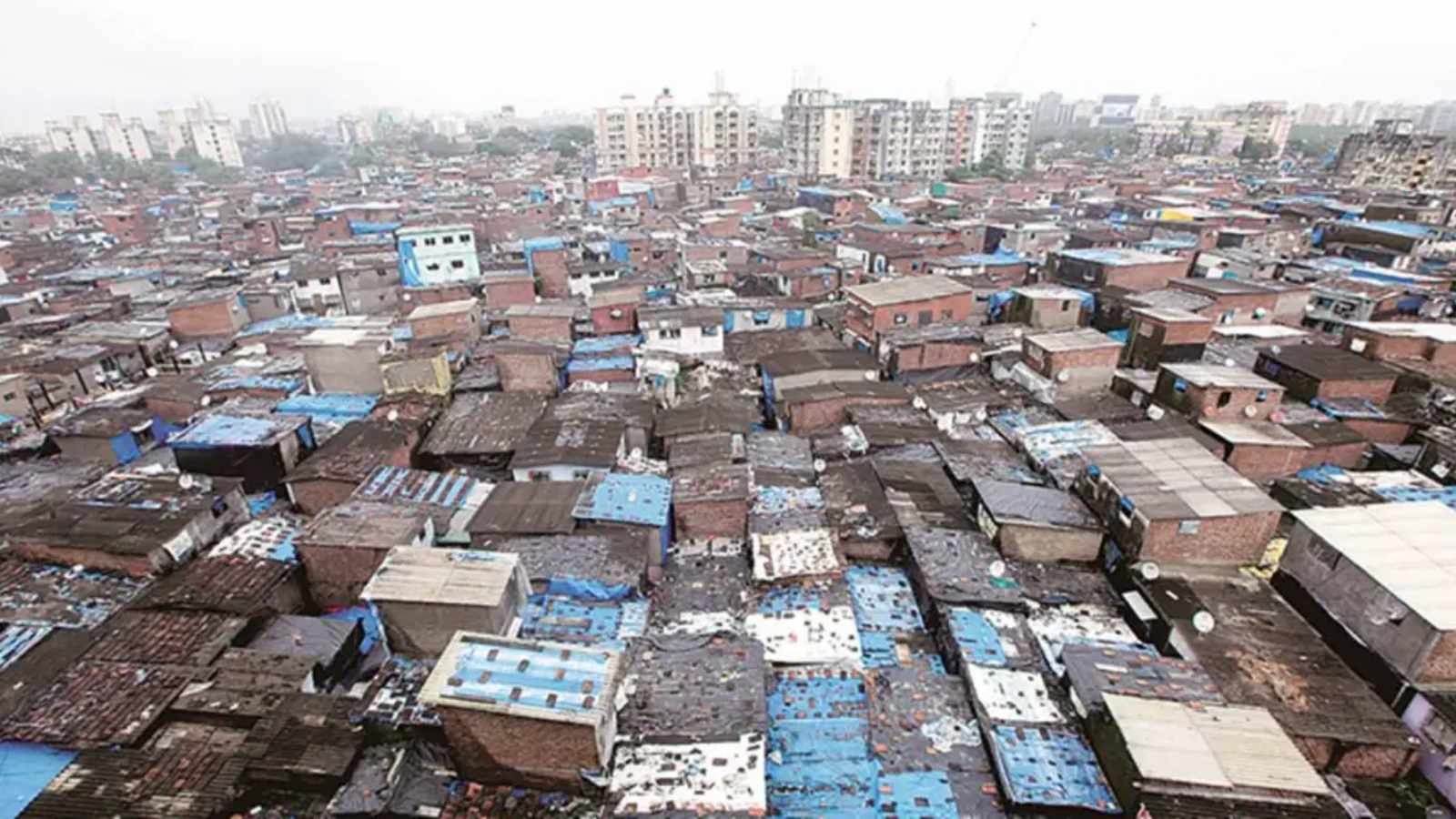
Under the proposed Master Plan for Delhi-2047, the slum rehabilitation model is undergoing a massive overhaul to attract private developers. The new framework allows for higher construction density and increased commercial land sales to speed up housing projects.
- The Floor Area Ratio (FAR) for both residential and commercial components has been increased to 500 under MPD-2047.
- Private developers will now be allowed to sell up to 60% of the slum land for commercial profit.
- Amendments to the DUSIB Act have extended eligibility for slum dwellers to those residing in units existing on or before January 1, 2025.
The landscape of Delhi's urban housing is set for a seismic shift with the draft Master Plan for Delhi (MPD)-2047. The proposed changes to the slum rehabilitation framework aim to incentivize private developers to participate in Public-Private Partnership (PPP) models, which have historically seen sluggish progress.
Currently, rehabilitation in the national capital is governed by the 2026 policy, but implementation has been agonizingly slow. Out of hundreds of slums, only a handful of in-situ projects, such as those in Ashok Vihar and Kalkaji by the Delhi Development Authority (DDA), have been successfully completed. Developers have frequently cited small land parcels and litigation as deterrents.
Why This Matters
BozokMedia analysis shows that the bottleneck in Delhi's urban renewal has always been the financial viability for private players. By significantly increasing the density and commercial potential of slum land, the government is attempting to turn a social responsibility into a lucrative real estate opportunity.
The core of this strategy lies in the manipulation of the Floor Area Ratio (FAR) and land allocation. Under the new plan, the FAR is being hiked to 500, allowing for significantly taller and denser structures. More importantly, the land available for 'free sale' or commercial use is jumping from 40% to 60%.
| Feature | Previous Framework (MPD-2021/41) | Proposed MPD-2047 |
|---|---|---|
| Floor Area Ratio (FAR) | 400 (Res) / 300 (Comm) | 500 (Both) |
| Commercial Sale Land % | 40% | 60% |
| Rehabilitation Land % | 60% | 40% |
"By allowing developers to build more, we hope they will participate in the rehabilitation. But we have made sure it will not be at the cost of slum dwellers." - DDA Official
The legislative landscape is also shifting. The Delhi Assembly recently passed amendments to the Delhi Urban Shelter Improvement Board (DUSIB) Act, widening the net of eligibility. The cut-off date has been extended by 10 years, meaning anyone living in a slum unit as of January 1, 2025, is now eligible for a permanent flat.
The push is not just local but central. Union Home Minister Amit Shah has recently directed agencies like DDA and DUSIB to expedite tenders for multiple JJ clusters, signaling a high-priority mandate from the Union Government to clean up the capital's informal settlements.
Frequently Asked Questions
1. How does the new FAR affect the skyline?
A higher FAR allows for much taller high-rise buildings, increasing the vertical density of the city.
2. Will slum dwellers be displaced?
The plan emphasizes in-situ rehabilitation (on-site), meaning residents are intended to stay at the same location in upgraded housing, unless the site is unviable.

