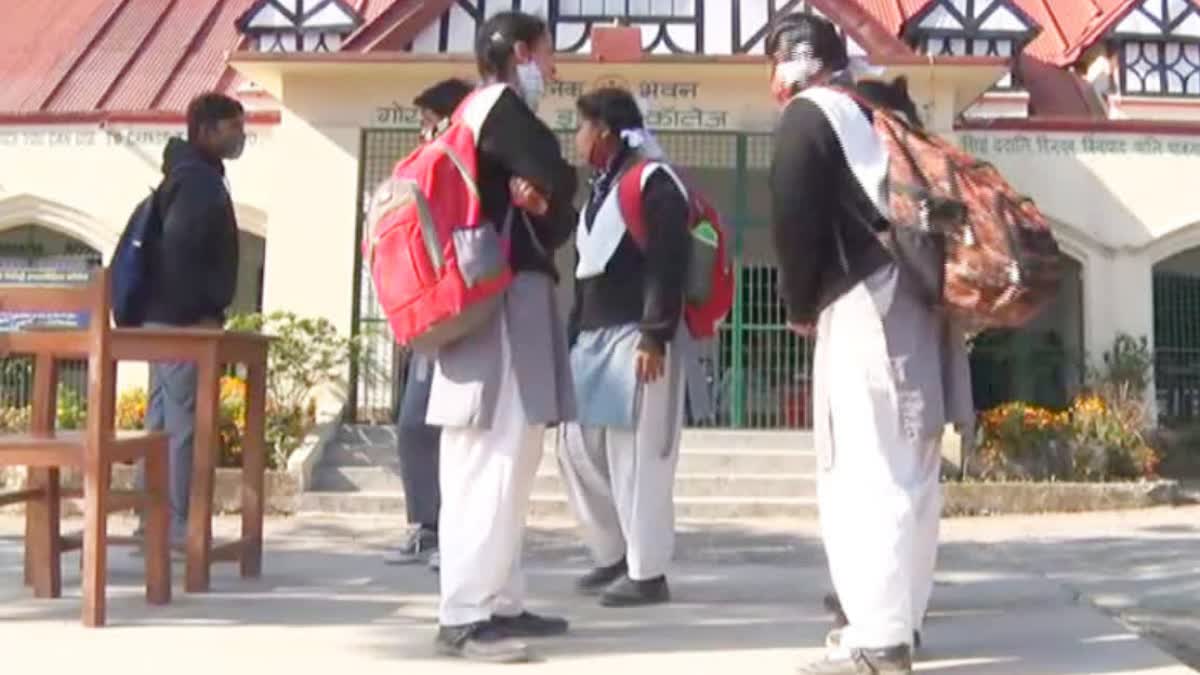
Key highlights include the Supreme Court's potential move to quash FIRs against NEET protesters, Jharkhand's cancellation of 44 recruitment exams due to irregularities, and major shifts within the NTA.
- Supreme Court considers using Article 142 to quash FIRs against NEET-UG protesters.
- Jharkhand government cancels 44 recruitment exams citing massive irregularities.
- UAE accuses Iran of missile launches in the Gulf; Tehran denies.
- NTA removes 600 experts to revamp its examination scrutiny process.
The morning brings a wave of significant developments across the legal, political, and international landscapes, signaling a period of intense institutional scrutiny and reform in India.
Supreme Court's Landmark Stance on Student Protests
In a significant move toward protecting democratic dissent, the Supreme Court on Tuesday indicated its readiness to exercise exceptional powers under Article 142 of the Constitution. The court aims to quash First Information Reports (FIRs) registered against students who participated in nationwide protests following the NEET-UG paper leak scandal. This controversy previously led to the resignation of Education Minister Dharmendra Pradhan. The apex court has requested a specific list of FIRs where only students are named as accused.
Massive Crackdown on Recruitment Irregularities in Jharkhand
The Jharkhand Government, led by Chief Minister Hemant Soren, has taken drastic measures by cancelling 44 recruitment exams. Following intense student protests, investigations revealed widespread irregularities in exams for positions including drug inspectors, assistant professors, deputy collectors, and civil judges. This decision marks a critical attempt to restore faith in the state's examination systems.
The judiciary's intervention in student-led protests highlights a growing necessity to balance law enforcement with the protection of civil liberties.
Why This Matters
BozokMedia analysis shows that these simultaneous events—ranging from judicial interventions to massive administrative cancellations—reflect a systemic crisis in examination integrity. The pressure from student bodies is forcing both state governments and central agencies to undergo radical restructuring to prevent further loss of public trust.
Global Tensions and National Corruption Cases
On the international front, the United Arab Emirates (UAE) has accused Iran of launching ballistic missiles toward shipping in the Gulf. While the UAE claims its air defenses detected the threat, the Iranian Foreign Ministry has categorically rejected these claims, warning of damage to regional security.
Domestically, the fight against corruption continues in Delhi, where former Minister Satyendar Jain and the ex-CEO of the Delhi Jal Board were arrested in connection with a sewage treatment plant (STP) tender scam. Meanwhile, the National Testing Agency (NTA) is undergoing a massive overhaul, having removed 600 experts to implement a more rigorous four-tier question paper checking system.
Frequently Asked Questions
1. Why did Jharkhand cancel 44 exams?
The exams were cancelled due to widespread irregularities and ongoing protests by students demanding fair recruitment processes.
2. What is the NTA doing to prevent future paper leaks?
The NTA is revamping its team by replacing 600 experts and introducing a new four-tier scrutiny system for examination papers.