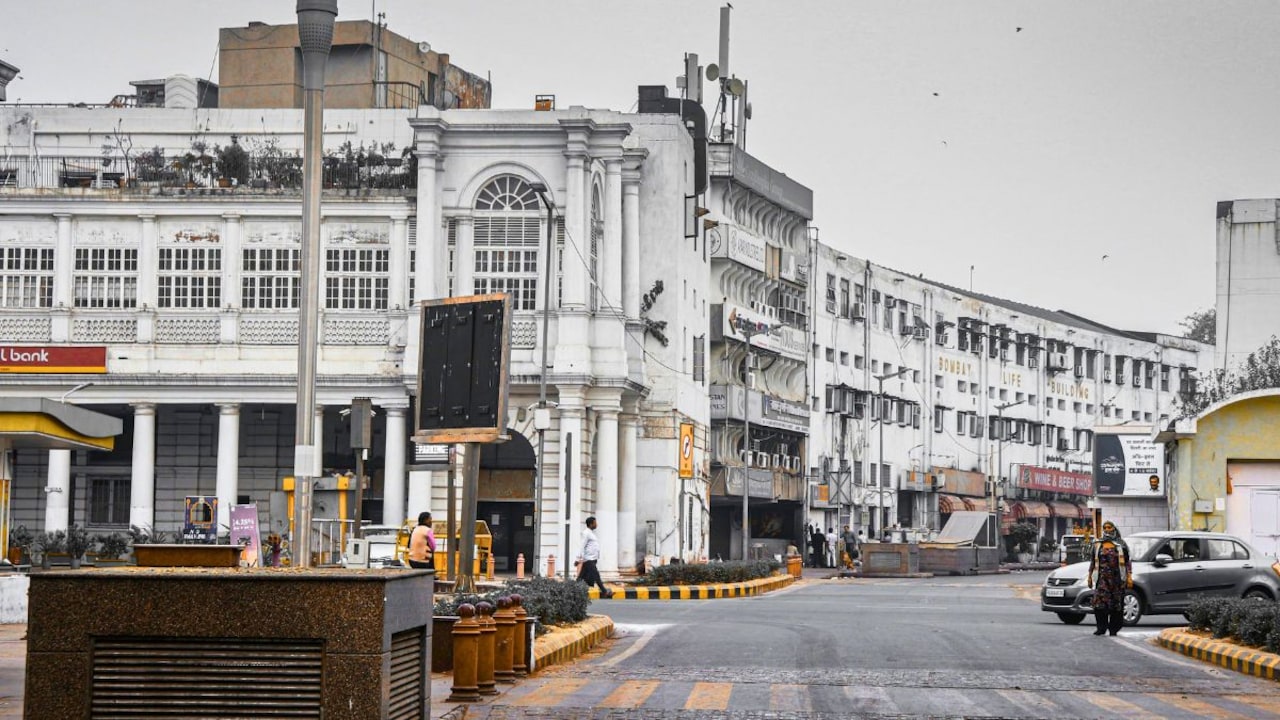
The Delhi Master Plan 2047 has been officially notified, focusing on constructing 40 lakh homes, improving transit corridors, and transforming the capital into a 24x7 functional metropolis. The plan emphasizes affordable housing and the redevelopment of old colonies.
- Official notification of the Delhi Master Plan 2047.
- Target to facilitate 40 lakh new housing units.
- 18 lakh affordable homes planned near transit corridors.
- Focus on unified parking and redevelopment of old colonies.
In a landmark move to reshape the future of the national capital, the Delhi Government has notified the Delhi Master Plan 2047. This comprehensive roadmap aims to transform Delhi into a world-class, sustainable, and 24x7 functioning city. Central to this vision is addressing the acute housing shortage by planning for approximately 40 lakh new residential units across the NCR region.
A significant portion of the plan focuses on Transit-Oriented Development (TOD). The blueprint envisages nearly 18 lakh affordable homes situated strategically around major transit corridors. This approach is designed to reduce dependency on private vehicles, minimize carbon footprints, and ensure that low-income groups have seamless access to public transport networks.
Why This Matters
BozokMedia analysis shows that as Delhi continues to experience rapid urbanization, the strain on infrastructure has reached a breaking point. The Master Plan 2047 addresses this by integrating unified parking systems and creating dedicated investment and education hubs. This holistic approach aims to decentralize the city's economic activities and reduce the pressure on central business districts.
The success of Delhi's future hinges on its ability to integrate high-density living with efficient, green transit systems.
Furthermore, the plan provides a structured framework for the redevelopment of old, congested colonies. By easing regulatory hurdles for redevelopment, the government hopes to upgrade living standards in aging neighborhoods while preserving the city's unique character. New investment hubs will also serve to attract global capital and create massive employment opportunities.
Historical Background
Since the first Master Plan was implemented in the 1960s, Delhi has undergone massive transformations. Moving from a sprawling residential landscape to a dense, high-tech metropolis, the city has faced challenges ranging from air pollution to water scarcity. The 2047 plan represents a paradigm shift toward 'smart' and 'resilient' urbanism, accounting for climate change and digital connectivity.
Frequently Asked Questions
1. What is the primary goal of the Delhi Master Plan 2047?
The primary goal is to provide sustainable housing, improve transit connectivity, and modernize urban infrastructure for a 24x7 lifestyle.
2. How will the plan help low-income residents?
Through the provision of 18 lakh affordable homes located near public transport corridors.
