The Department of Town and Country Planning (DTCP) has resumed enforcement drives in Gurgaon's DLF Phase 3, sparking intense protests from landlords and complaints from residents regarding illegal commercialization.
- DTCP officials sealed multiple multi-storey properties and demolished illegal structures in DLF Phase 3.
- Landlords are demanding a pragmatic 'workforce housing policy' to prevent a rental crisis.
- Long-term residents report severe infrastructure collapse due to illegal commercial PG operations.
- Protests are scheduled to escalate at the Gurgaon Deputy Commissioner's office on August 26.
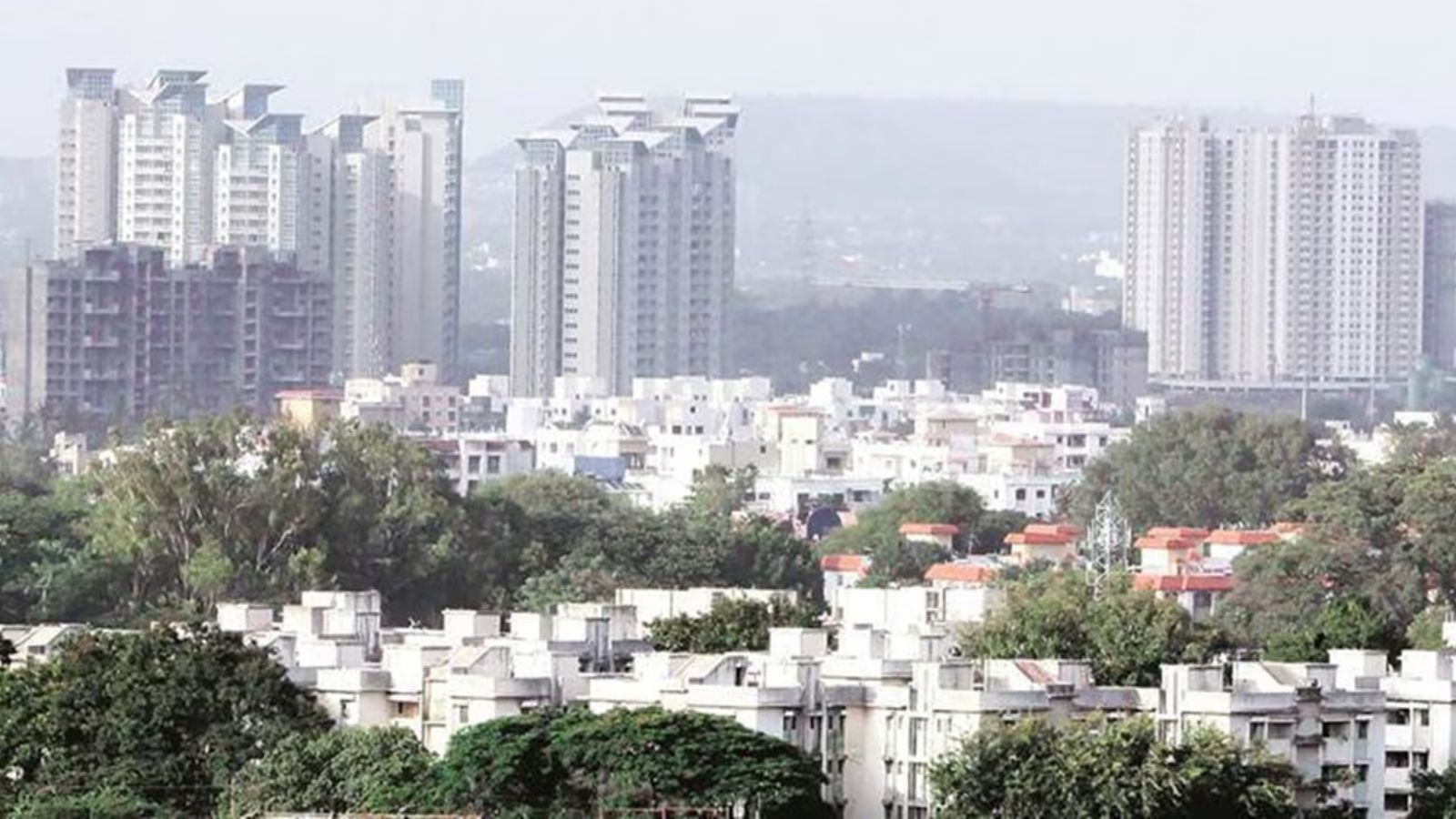
The demolition machines have returned to DLF Phase 3, sitting on the edge of Gurgaon’s gleaming Cyber City, reopening a fierce urban battle. The resumption of enforcement drives by the Department of Town and Country Planning (DTCP) has brought the deep-seated fault lines of the neighborhood into sharp focus.
On Tuesday, enforcement teams led by District Town Planner (Enforcement) Amit Madholia sealed four large multi-storey properties. This included a 28-room PG allegedly owned by a local councillor and the demolition of illegal structures carved out of stilt parking spaces. The move has divided the community into two distinct camps: aggrieved homeowners and struggling landlords.
Why This Matters
BozokMedia analysis shows that DLF Phase 3 serves as a critical residential ecosystem for the massive workforce of Cyber City and Udyog Vihar. The tension is not just about illegal buildings, but about the survival of affordable housing for the corporate workforce versus the sanctity of planned residential zones.
If these buildings are razed without viable alternatives, the massive workforce supporting Cyber City will face an acute housing crisis.
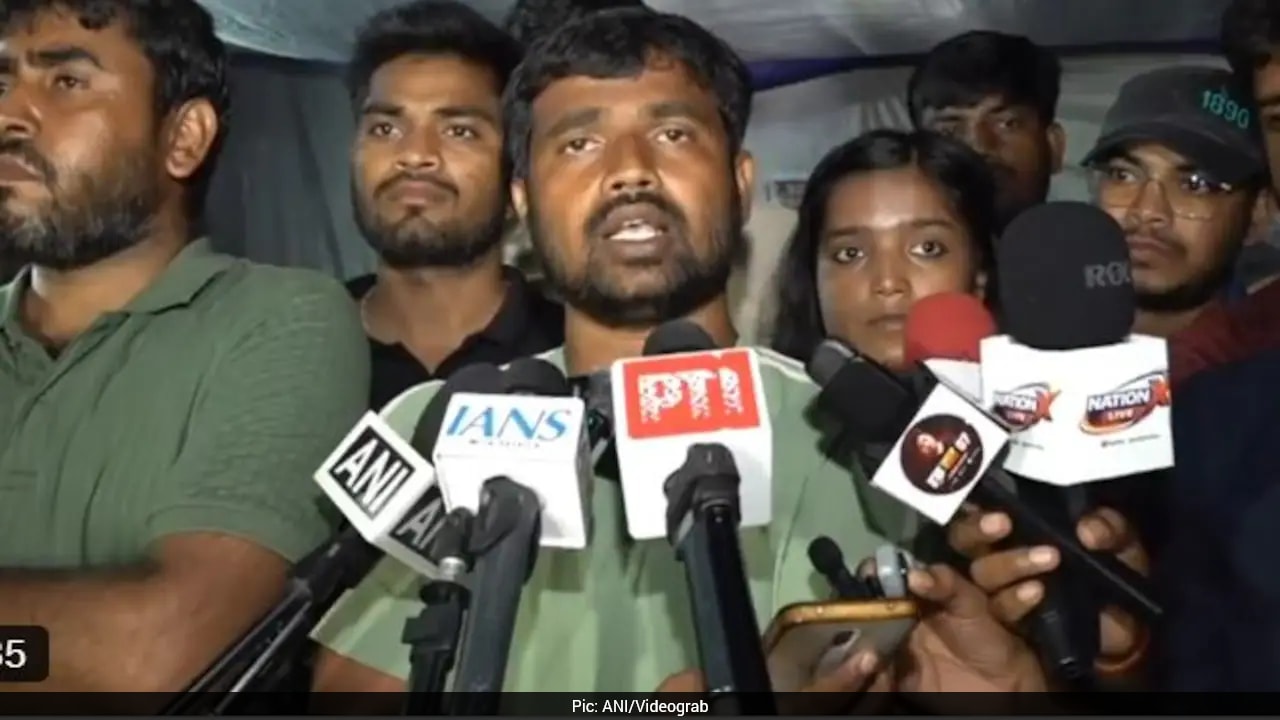
The Landlords' Stand: Hundreds of property owners gathered at Amar Shaheed Raja Rao Tularam Park for a 'Maha Panchayat' to protest the drives. Social activist Sube Singh Bohra argued that the government must frame a workable rental housing policy rather than relying solely on demolitions. They contend that DLF-3 is an indispensable hub for entry-level professionals and gig workers.
The Residents' Grievance: Conversely, long-term residents like Sameer Puri argue that the area has been systematically destroyed by commercialization. Puri claims that over 70% of properties violate basic norms, turning a quiet residential sector into a chaotic maze of 8-storey commercial tenements. Residents report that the heavy load from illegal PGs has caused sewage and water networks to collapse.
Historical Background
DLF Phase 3 was originally designed as an orderly residential neighborhood with specific plot sizes and stilt-plus-four floor layouts. However, the rapid growth of Gurgaon as a global tech hub led to a massive demand for low-cost rental housing, prompting many owners to bypass regulations by converting residential spaces into high-density commercial guest houses.
| Feature | Landlords' Perspective | Residents' Perspective |
|---|---|---|
| Primary Concern | Loss of livelihood and housing crisis | Infrastructure collapse and chaos |
| Proposed Solution | Regularization and new housing policy | Strict enforcement and demolition |
| Impact on Workforce | Provides essential affordable housing | Creates unsafe and crowded conditions |
Frequently Asked Questions
1. What specific violations did the DTCP target?
The drive targeted illegal conversions of stilt parking into commercial rooms and unauthorized additional floors in PG establishments.
2. How will this affect the local rental market?
Landlords warn that large-scale demolitions could trigger an immediate shortage of affordable housing for workers in Cyber City.