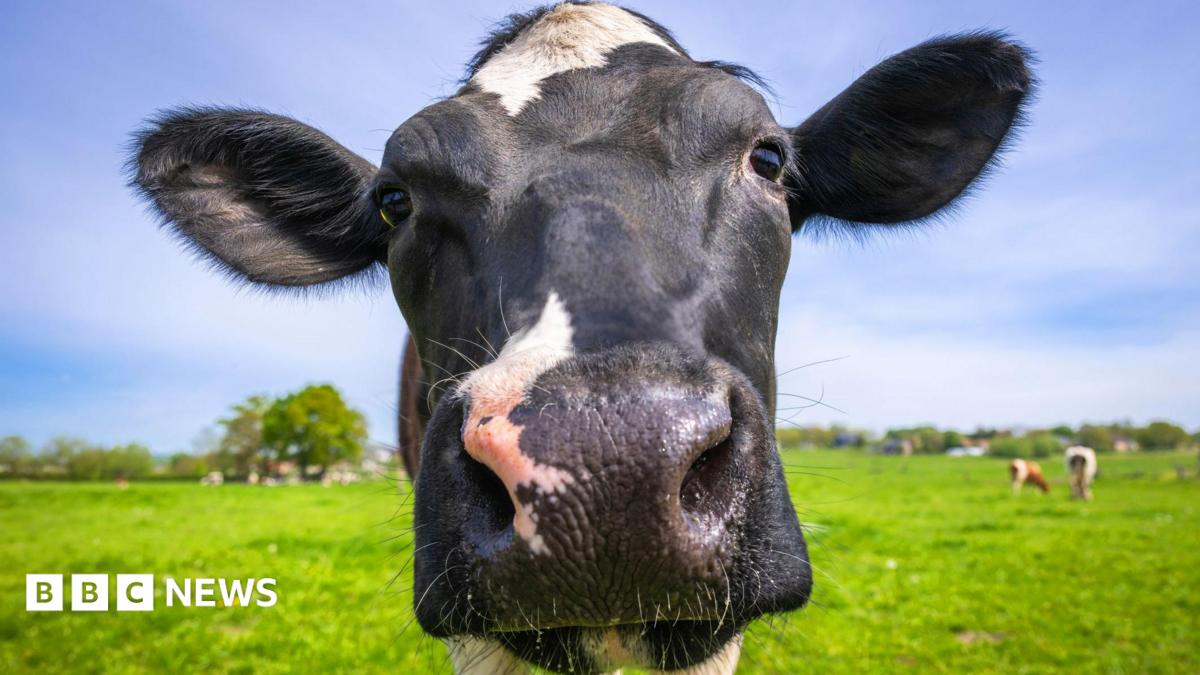
A case of Bovine Spongiform Encephalopathy (BSE) has been confirmed in a cow in Dumfries and Galloway, marking the first classical case in Scotland since 2024.
- BSE (Mad Cow Disease) confirmed in a cow in Dumfries and Galloway, Scotland.
- This is the first classical BSE case reported in Scotland since 2024.
- Food Standards Scotland confirms no risk to the human food chain.
- The affected animal has been destroyed as investigations continue.
In a significant development for the agricultural sector, a case of Bovine Spongiform Encephalopathy (BSE), commonly known as 'mad cow disease', has been confirmed in a cow on a farm in Dumfries and Galloway. The infection was detected during routine testing and is currently being treated as an isolated incident.
Food Standards Scotland has moved quickly to reassure the public, stating that the infected animal did not enter the human food chain and there is no risk to human health. This discovery is particularly notable as it represents the first report of classical BSE in Scotland since 2024.
Why This Matters
BozokMedia analysis shows that while the immediate health risk is low, the economic and psychological impact on the farming community can be massive. The agricultural sector in this region is already under pressure following recent outbreaks of bluetongue, making this new development a double blow for local producers.
'The fact we identified this isolated case so quickly is clear proof that our surveillance system is working effectively,' said Agriculture Minister Jim Fairlie.
Agriculture Minister Jim Fairlie praised the diligence of the animal's owner, noting that swift action allowed for immediate isolation of the case. However, Eleanor Kay, a senior policy adviser at Scottish Land and Estates, emphasized that the news would be deeply concerning for farmers and called for thorough investigations and support for the affected business.
Historical Context of the BSE Crisis
The history of BSE in the United Kingdom is marked by a massive epidemic in the 1980s. During that period, the outbreak was so severe that high-risk offal was banned for human consumption, leading to widespread public fear regarding meat products like burgers.
The epidemic peaked in 1992 and 1993, with an estimated 100,000 confirmed cases and a total of 180,000 cattle affected. In a drastic attempt to contain the spread, approximately 4.4 million cattle were slaughtered. International trade was heavily impacted, with many countries banning UK meat imports—a ban that China only reversed in 2018.
Frequently Asked Questions
1. Is the meat from this farm safe to eat?
Yes, Food Standards Scotland has confirmed the animal did not enter the food chain and there is no risk to human health.
2. How often does this disease appear in Scotland?
Cases are extremely rare; this is the first classical BSE case reported in the country since 2024.