The Indian government plans to extend the NAMASTE scheme to rural areas, aiming to mechanize sanitation work. However, the NCSC has flagged a worrying trend of high rejection rates for subsidies.
- The NAMASTE scheme will expand from urban centers to rural India.
- New categories including drain cleaners and STP workers will be included.
- The NCSC has raised alarms over high rejection rates for capital subsidies.
- A budget of ₹498.73 crore has been proposed for the expansion through 2031.
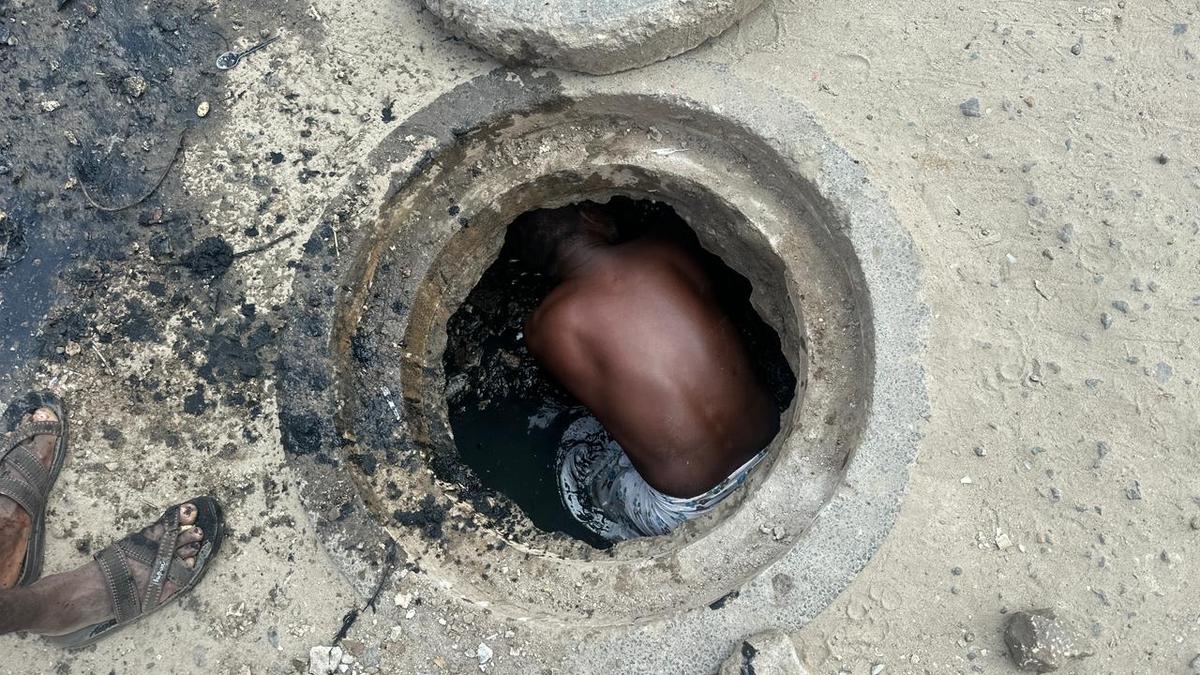
In a significant move toward eradicating hazardous sanitation work, the Indian government is set to expand the National Action for Mechanised Sanitation Ecosystem (NAMASTE) scheme to rural parts of the country. The Social Justice Ministry has proposed a massive expansion of the project, which was initially designed to tackle the life-threatening risks faced by sewer and septic tank workers in urban settings.
Under the new proposal, the scope of the scheme will broaden to include drain cleaners, workers in Sewage Treatment Plants (STPs), and those operating in faecal sludge treatment plants. To support this ambitious transition, the Ministry has proposed an outlay of approximately ₹498.73 crore, spanning from the current fiscal year through 2030-31.
Why This Matters
BozokMedia analysis shows that while the expansion is a progressive step toward inclusivity, the scheme's success hinges on its ability to overcome administrative bottlenecks. Moving from urban to rural landscapes introduces logistical complexities that could either empower millions or leave them stranded in unsafe working conditions.
Mechanizing sanitation is not just a technological upgrade; it is a fundamental requirement for upholding the human rights and dignity of sanitation workers.
Despite the government's proactive stance, the National Commission for Scheduled Castes (NCSC) has voiced serious concerns regarding the implementation efficiency. The Commission has highlighted a staggering disparity between the number of workers identified and the number of those actually receiving financial aid. Out of nearly 1 lakh identified sewer and septic tank workers (SSWs), only 810 were approved for capital subsidies, and a mere 147 have actually received the funds.
The NCSC has repeatedly urged the Social Justice Ministry to investigate the high rejection rates within the self-employment components of the scheme, such as the Safai Udyami Yojana. The lack of transparency regarding why so many applications are being turned down remains a critical point of contention for social justice advocates.
| Category | Identified Workers | Subsidies Approved | Funds Received |
|---|---|---|---|
| Sewer & Septic Tank Workers (SSWs) | 90,915 | 810 | 147 |
| Manual Scavengers | 58,000 | 2,652 | - |
The human cost of inaction is high. Ministry data reveals that between 2019 and June 2026, 498 people lost their lives while engaged in hazardous cleaning tasks. A government audit further noted that in over 90% of these fatal incidents, the workers were not equipped with essential safety gear. While the government has distributed over 85,000 PPE kits, the gap between policy and protection remains wide.
Frequently Asked Questions
1. What is the goal of the NAMASTE scheme?
The goal is to mechanize sanitation work to prevent deaths during sewer and septic tank cleaning.
2. Who is eligible under the expanded scheme?
The expanded scheme will include rural drain cleaners, STP workers, and faecal sludge treatment plant employees.