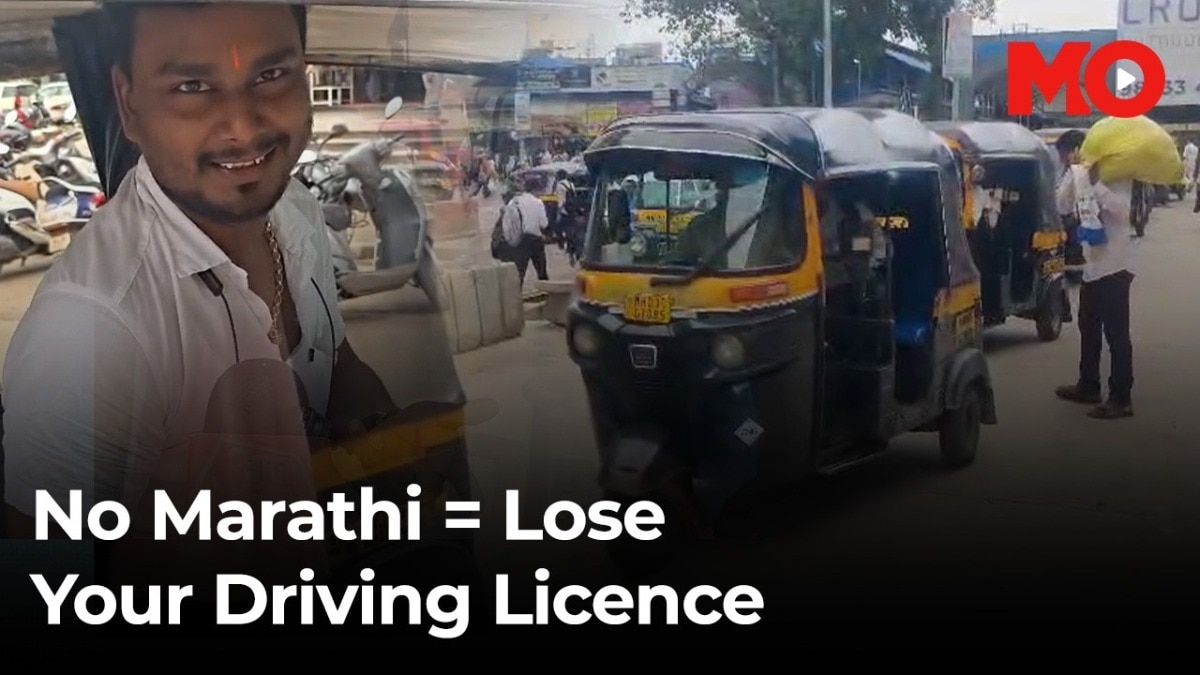
A comprehensive look at the Maharashtra government's mandate requiring auto and taxi drivers to be proficient in Marathi. Understanding the implications for commuters and drivers.
- Maharashtra is implementing rules to ensure auto and taxi drivers use the Marathi language.
- The move aims to promote the local language and improve commuter-driver communication.
- The policy targets public transport operators within the state's urban hubs.
The government of Maharashtra has moved to strengthen the linguistic identity of the state by introducing mandates for the transport sector. Under the proposed guidelines, auto-rickshaw and taxi drivers operating within the state are expected to have a working knowledge of Marathi. This move is designed to bridge the communication gap between drivers and the local population in bustling metropolitan areas like Mumbai and Pune.
Proponents of the rule argue that since Marathi is the official language of the state, those providing essential public services should be able to interact with citizens in their native tongue. This is seen as a step toward preserving the regional heritage and ensuring that the linguistic fabric of the state remains intact despite rapid urbanization.
Why This Matters
BozokMedia analysis shows that this policy is more than just a linguistic requirement; it is a strategic move to consolidate regional identity. For the transport industry, this could necessitate large-scale training programs or face-offs between regulatory bodies and migrant labor forces.
Mandating a regional language in public transport can enhance local integration, but it must be paired with inclusive training modules.
To understand the gravity of this, one must look at the historical background of Maharashtra. Since the reorganization of states on a linguistic basis in 1960, the protection of the Marathi language has been a cornerstone of the state's political and social discourse. This new regulation is an extension of that long-standing sentiment.
However, the rule is not without controversy. Critics suggest that it might create barriers for non-Marathi speaking drivers who have been an integral part of the urban economy for decades. The challenge lies in implementing the rule without causing a shortage of transport services or economic hardship for drivers.
Frequently Asked Questions
1. Does this rule apply to private car owners?
No, the focus is specifically on commercial public transport vehicles like autos and taxis.
2. Will there be training provided for drivers?
While not explicitly detailed, discussions are ongoing regarding how the state will assist drivers in meeting these linguistic standards.
