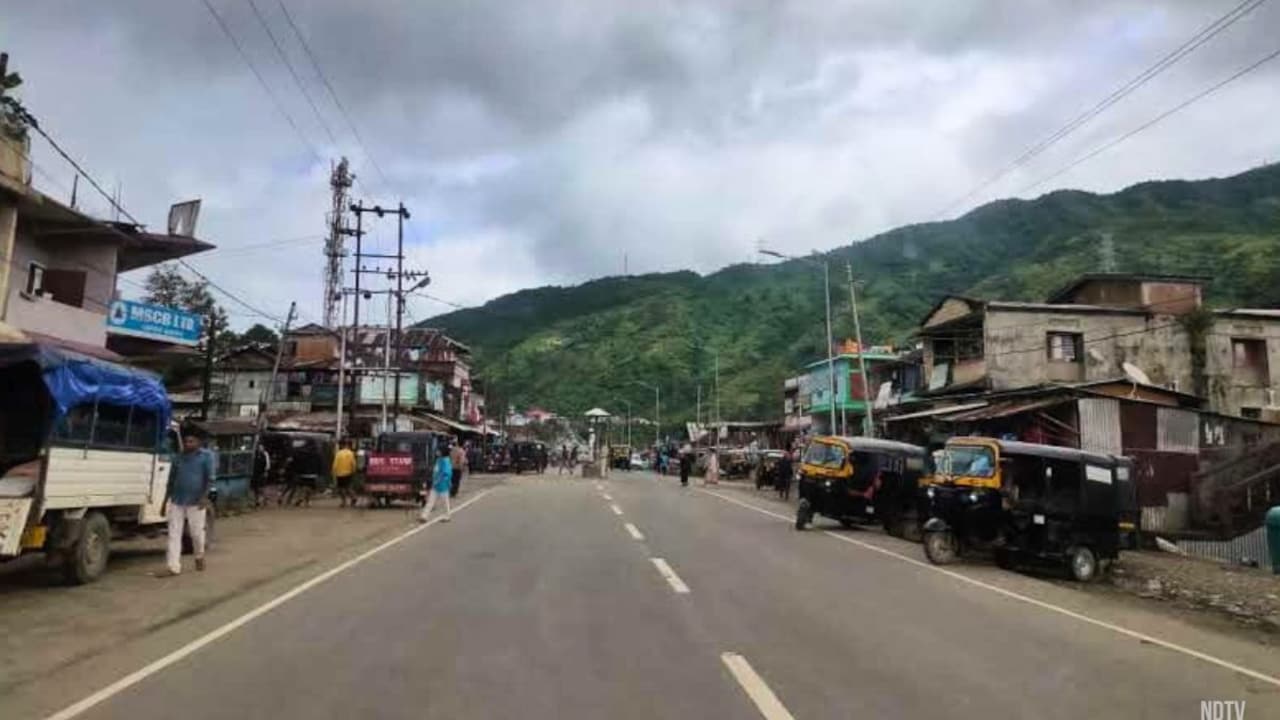
In a significant move towards peace, bus services between Imphal and Guwahati have resumed after a three-year gap, crossing key ethnic-inhabited districts.
- Bus connectivity between Imphal and Guwahati is restored after 3 years.
- Routes successfully crossed Kuki-inhabited Kangpokpi and Naga-inhabited Senapati.
- The move signals a major step toward normalcy and regional stability.
In a landmark development for Northeast India, the bus service connecting Imphal and Guwahati has officially resumed after a prolonged three-year hiatus. This restoration is being hailed as a vital step toward normalizing life in the region and strengthening the socio-economic ties between Manipur and Assam.
The buses successfully navigated through Kangpokpi, a district predominantly inhabited by the Kuki community, and Senapati, a district primarily inhabited by the Naga community. The ability to traverse these ethnically sensitive zones marks a significant psychological and logistical breakthrough in the post-conflict landscape.
Why This Matters
BozokMedia analysis shows that the resumption of this transit corridor is more than just a logistical update; it is a barometer for peace. Connectivity acts as a bridge between communities, and the movement of people across ethnic boundaries is essential for de-escalating tensions and fostering regional integration.
The restoration of transit routes is often the first tangible sign of a healing society after periods of intense civil unrest.
For years, the suspension of this service had caused immense hardship for students, traders, and medical patients who relied on this lifeline. The economic impact of the closure was felt deeply in the local markets of both Manipur and Assam, where supply chains had been severely disrupted.
Historically, the Imphal-Guwahati corridor has been a critical artery for the Northeast. While the journey through the hilly terrains of Kangpokpi and Senapati remains challenging due to geography, the renewed service provides a sense of security and predictability that was missing for years.
Moving forward, the sustainability of this service will depend on maintaining a stable security environment. Local authorities and transport unions are working closely to ensure that passengers can travel without fear, marking a new chapter in the region's journey toward stability.
Frequently Asked Questions
1. Why was the bus service suspended for three years?
The service was largely suspended due to ethnic tensions and instability in the region that made travel unsafe.
2. Which sensitive districts did the buses pass through?
The buses passed through the Kuki-inhabited Kangpokpi district and the Naga-inhabited Senapati district.