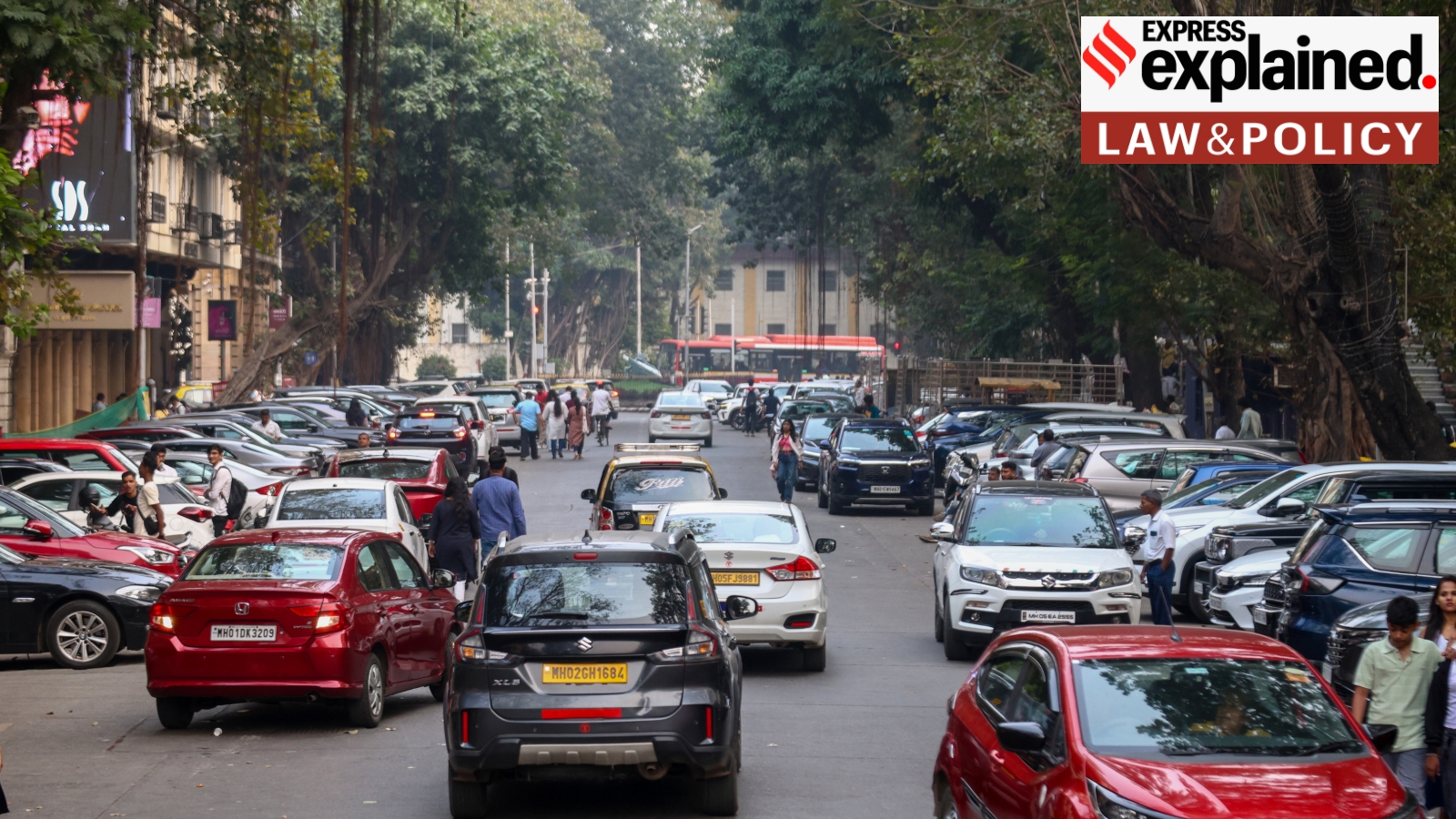
Many residents believe they own the road space in front of their homes. We dive into the legal complexities and Delhi Police's crackdown on unauthorized parking.
- Public streets vest in the Municipal Corporation, not the adjacent homeowner.
- Parking on public roads is legal only if it does not cause obstruction or danger.
- Specific zones like intersections and footpaths are strictly no-parking areas.
In many congested urban neighborhoods, a silent battle for territory unfolds every day. Residents often treat the stretch of asphalt directly in front of their gates as an extension of their private driveway. However, as Delhi Police intensifies its crackdown on unauthorized parking to manage traffic bottlenecks, the legal reality is being brought to the forefront: that parking spot isn't yours.
The Legal Ownership of Public Streets
The misconception that proximity equals ownership is legally unfounded. Under the Delhi Municipal Corporation Act, 1957 (DMC Act), a 'public street' is defined as any street that vests in the Corporation. Section 298 explicitly states that all public streets are under the control of the Commissioner and must be maintained and regulated according to bye-laws. Essentially, the road is a public utility managed by the state, and no residential status grants an exclusive right to any portion of it.
Regulated Parking vs. Illegal Obstruction
It is important to distinguish between parking and obstructing. According to Section 117 of the Motor Vehicles Act, 1988, the state has the authority to designate specific areas where vehicles may stand. While parking on a public road is not inherently illegal, Section 122 prohibits leaving a vehicle in a manner that causes 'danger, obstruction, or undue inconvenience' to other users. If a vehicle violates these rules, Section 127 empowers authorities to tow or immobilize it.
BozokMedia analysis shows...
BozokMedia analysis shows that as urban density increases, the friction between private vehicle ownership and public space availability is reaching a breaking point. The lack of awareness regarding parking laws often leads to unnecessary legal disputes between neighbors and law enforcement, exacerbating urban congestion.
The right to park is a privilege regulated by public policy, not an inherent right tied to property ownership.
In Delhi, specific regulations like the Delhi Maintenance and Management of Parking Places Rules, 2019, add further layers of restriction. For instance, parking is strictly prohibited within 25 meters of an intersection and on footpaths or green areas. Furthermore, residential colony roads must maintain at least one clear lane for emergency vehicles to ensure public safety.
The Judicial Perspective
The Supreme Court of India has addressed this crisis in the landmark case of M.C. Mehta v Union of India (2019). The court noted the conflict between the rising number of cars and dwindling land availability. While acknowledging the practical reality that some on-street parking may be necessary in crowded colonies, the court emphasized that an effective parking policy is crucial for reducing pollution, crime, and congestion.
Frequently Asked Questions
1. Can I be fined for parking in front of my own house?
Yes, if your vehicle is parked in a prohibited zone (like near a corner) or if it causes an obstruction to traffic.
2. Does long-term parking establish a right to a spot?
No. Continuous use of a public parking spot does not grant any legal entitlement or ownership rights to the resident.