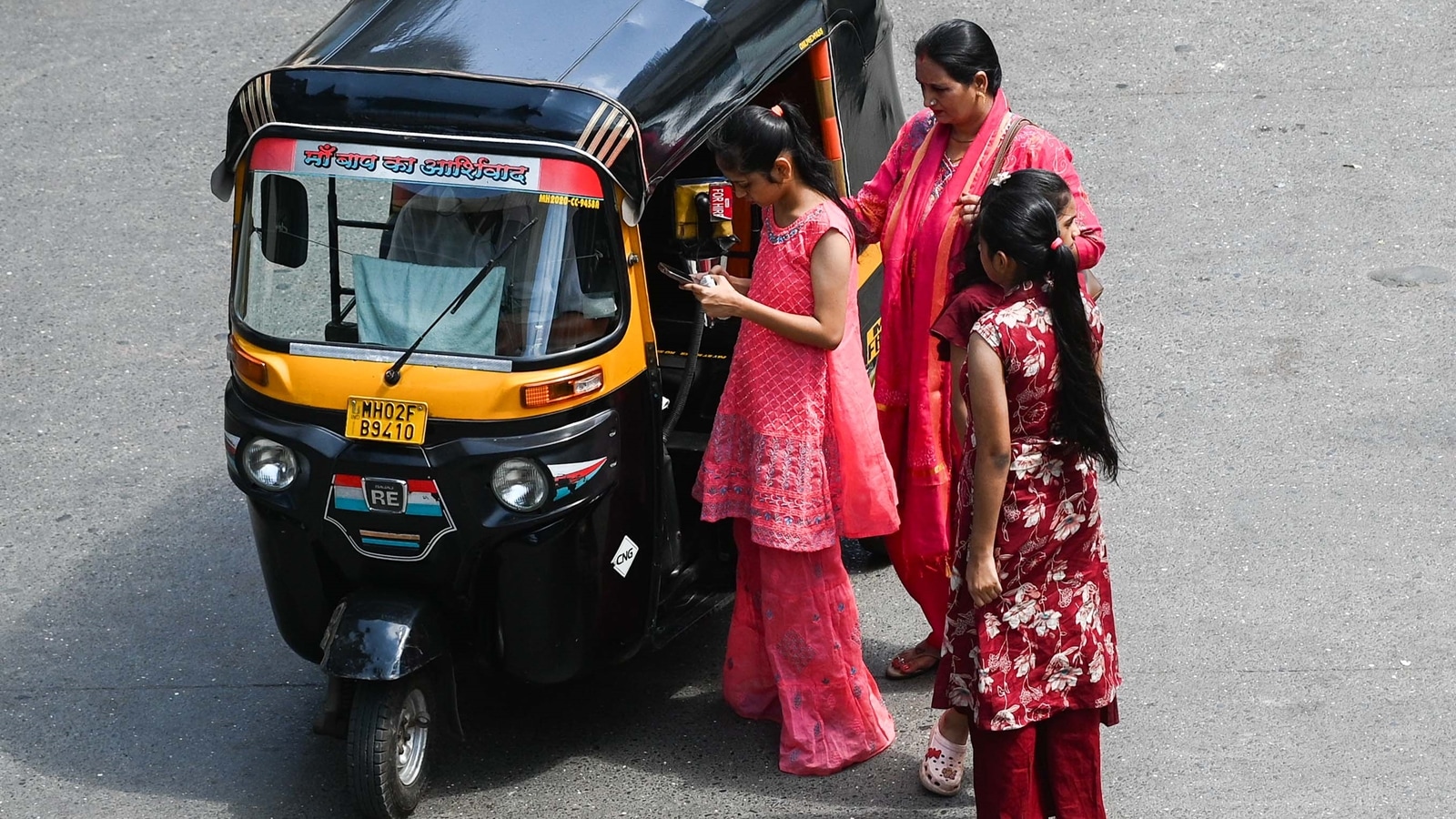
The Mumbai Metropolitan Region Transport Authority (MMRTA) has approved a hike in base fares for auto-rickshaws and taxis due to rising fuel and operational expenses.
- Auto-rickshaw base fare increases by ₹1 to ₹27.
- Black-and-yellow taxi base fare increases by ₹2 to ₹33.
- Revised fares apply to the initial 1.5 km distance.
- The decision follows rising CNG and petrol prices.
Commuters across the Mumbai Metropolitan Region (MMR) are bracing for a hit to their pockets. The Mumbai Metropolitan Region Transport Authority (MMRTA) has officially approved an increase in the base fares for both auto-rickshaws and taxis, citing the relentless rise in fuel prices and general operating costs.
Breakdown of the New Fare Structure
Under the newly approved rates, the base fare for auto-rickshaws—covering the first 1.5 km—will rise by Re 1, bringing it to ₹27. For the iconic black-and-yellow taxis (kali-peelis), the base fare will see a ₹2 increase, moving to ₹33. The decision was finalized during a high-level meeting chaired by Additional Chief Secretary Sanjay Sethi.
The Economic Drivers Behind the Hike
The primary catalyst for this decision is the volatility in the energy market. Senior transport officials noted that the rising costs of CNG and petrol have directly impacted the daily earnings of drivers. Following the price hike by Mahanagar Gas Limited (MGL) earlier this year, transport unions had been pressing for a revision to offset their mounting expenses.
The upward revision is a direct response to the inflationary pressure exerted by fuel costs and the Consumer Price Index (CPI).
BozokMedia analysis shows that this hike is not arbitrary but follows the structured recommendations of the 2017 BC Khatua Committee. This committee's framework evaluates multiple variables, including vehicle depreciation, interest rates on loans, government taxes, and the CPI, to ensure a fair balance between driver livelihoods and passenger affordability.
Historical Context of Fare Revisions
Fare adjustments in Mumbai have become more frequent in recent years. The last major revision occurred in February 2025. Prior to that, the city saw a period of relative stability between 2022 and 2021. The current move reflects the broader economic reality of rising inflation in India's financial capital.
Frequently Asked Questions
1. When will the new rates be implemented?
The revised fares are expected to take effect in the coming weeks, once the MMRTA issues the official notification to the respective Regional Transport Offices (RTOs).
2. Why was the taxi fare hike higher than the auto fare hike?
The hike reflects the different operating cost structures and the specific recommendations provided by the Khatua Committee for different vehicle categories.