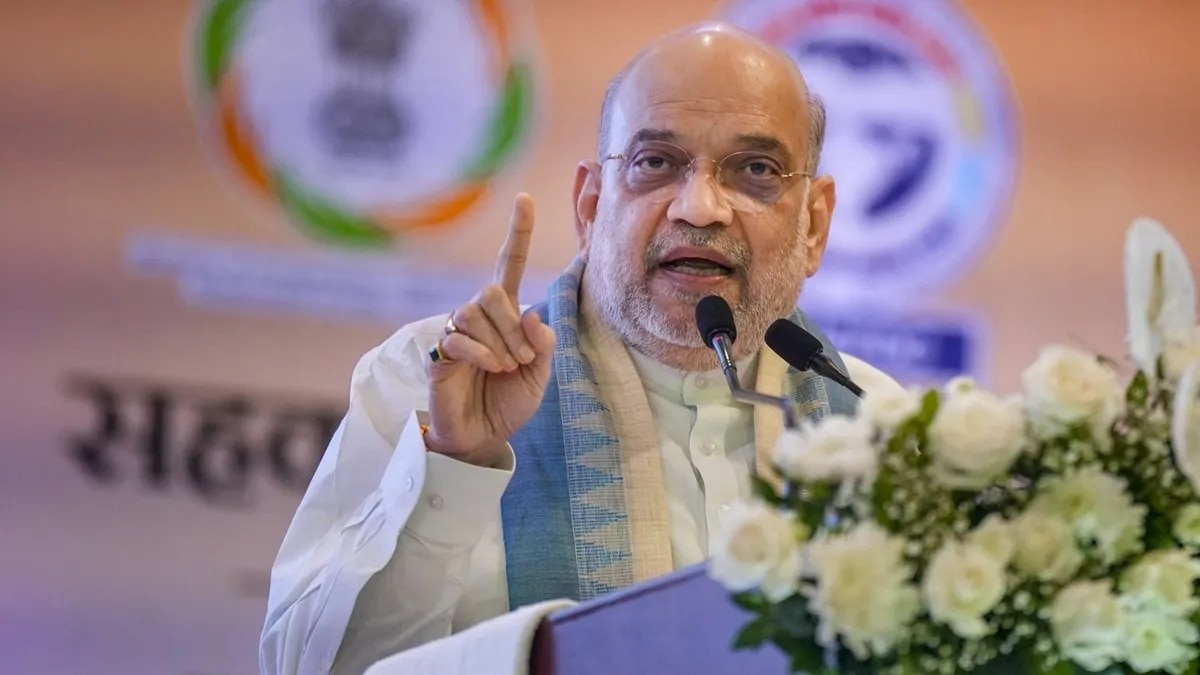
Following a high-level meeting led by Amit Shah, the Centre has established a committee to draft a permanent political settlement for the Gorkha community in West Bengal.
- Union Home Minister Amit Shah met Gorkha leaders and WB representatives in Sukna.
- A committee headed by Pankaj Kumar Singh will draft the final agreement.
- The solution will strictly adhere to the Indian Constitutional framework.
- The move aims to address Gorkha identity and political aspirations.
In a significant move toward resolving the long-standing Gorkhaland agitation, the Union Government has announced the formation of a dedicated committee. This committee is tasked with working out the modalities and drafting a formal agreement to provide a permanent political solution for the Gorkha community in the Darjeeling hills and surrounding areas of West Bengal.
Tripartite Meeting at Sukna
The decision emerged from a pivotal tripartite meeting held in Sukna, at the foothills of the Darjeeling hills. Union Home Minister Amit Shah engaged in discussions with key Gorkha leaders, including Gorkha Janmukti Morcha chief Bimal Gurung and GNLF chief Mann Ghisingh, alongside representatives from the West Bengal government. The meeting focused on the core demands of the hill population, specifically their distinct identity and constitutional recognition.
The establishment of a formal committee signals the Centre's intent to move from reactive crisis management to a proactive constitutional settlement.
Leadership of the New Committee
To ensure a structured approach, the Ministry of Home Affairs (MHA) has appointed Pankaj Kumar Singh to lead the process. Singh, a retired IPS officer and former Deputy National Security Advisor, has been serving as the interlocutor for the Darjeeling, Dooars, and Terai regions since October 2025. BozokMedia analysis shows that Singh's background in national security and mediation makes him an ideal candidate to navigate the complex socio-political landscape of the hills.
Why This Matters
The Gorkhaland issue has been a flashpoint of instability in West Bengal for decades. By emphasizing a constitutional framework, the Centre is attempting to balance regional aspirations with national integrity. This move is also crucial for unlocking central funding aimed at regional development, which has been stalled due to political volatility.
Historical Context of the Agitation
The demand for a separate state has seen multiple iterations, including the 1988 Gorkha Accord which led to the Darjeeling Gorkha Hill Council. However, these measures were often seen as insufficient. The history of the movement is marked by significant struggle, with leaders noting that past agitations resulted in thousands of casualties and widespread displacement.
| Feature | Previous Arrangements | Proposed Committee Approach |
|---|---|---|
| Primary Body | DGHC / GTA | Special Committee under Pankaj Kumar Singh |
| Focus | Administrative Autonomy | Permanent Political & Identity Solution |
| Framework | State-led/Accord-based | Constitutional Framework via MHA |
Frequently Asked Questions
1. Who is leading the new committee?
The committee is headed by Pankaj Kumar Singh, former Deputy National Security Advisor.
2. Will this lead to a separate state?
The Centre has emphasized that any settlement will be finalized strictly within the framework of the Constitution of India.

