A massive crackdown on non-Marathi speaking auto and taxi drivers in the Mumbai Metropolitan Region has led to a visible shortage of commercial vehicles on the streets. Drivers fear license suspension following strict language proficiency inspections.
- The Maharashtra government is enforcing mandatory Marathi proficiency for all commercial drivers.
- Over 8,200 drivers were tested in the first day of the statewide drive.
- Failure to pass subsequent checks can result in a three-month suspension of driving badges.
- The enforcement campaign is set to continue until September 30.
As the Maharashtra government's crackdown on non-Marathi speaking auto-rickshaw and taxi drivers entered its second phase, a noticeable decline in commercial passenger vehicles was observed across the Mumbai Metropolitan Region (MMR). In areas like Thane, Sion, and Kurla, many drivers have opted to stay off the roads, fearing strict enforcement actions and the potential suspension of their driving credentials.
The tension stems from a statewide inspection drive aimed at ensuring drivers possess a 'working knowledge' of Marathi. On the first day alone, a staggering 8,217 drivers were tested across Maharashtra. In the MMR, 604 drivers were found lacking the required proficiency and were subsequently served notices. For many migrant workers, this represents a significant threat to their livelihood.
Why This Matters
BozokMedia analysis shows that this policy shift creates a high-stakes environment for the city's transport ecosystem. While the government aims to bridge the communication gap between passengers and drivers, the suddenness of the enforcement has disrupted the daily commute for millions of Mumbaikars and created an atmosphere of anxiety among the labor force.
'The goal is not to impede drivers but to simply verify whether they have basic Marathi proficiency that could be used to communicate effectively with passengers.' - Hemangini Patil, Thane RTO Chief.
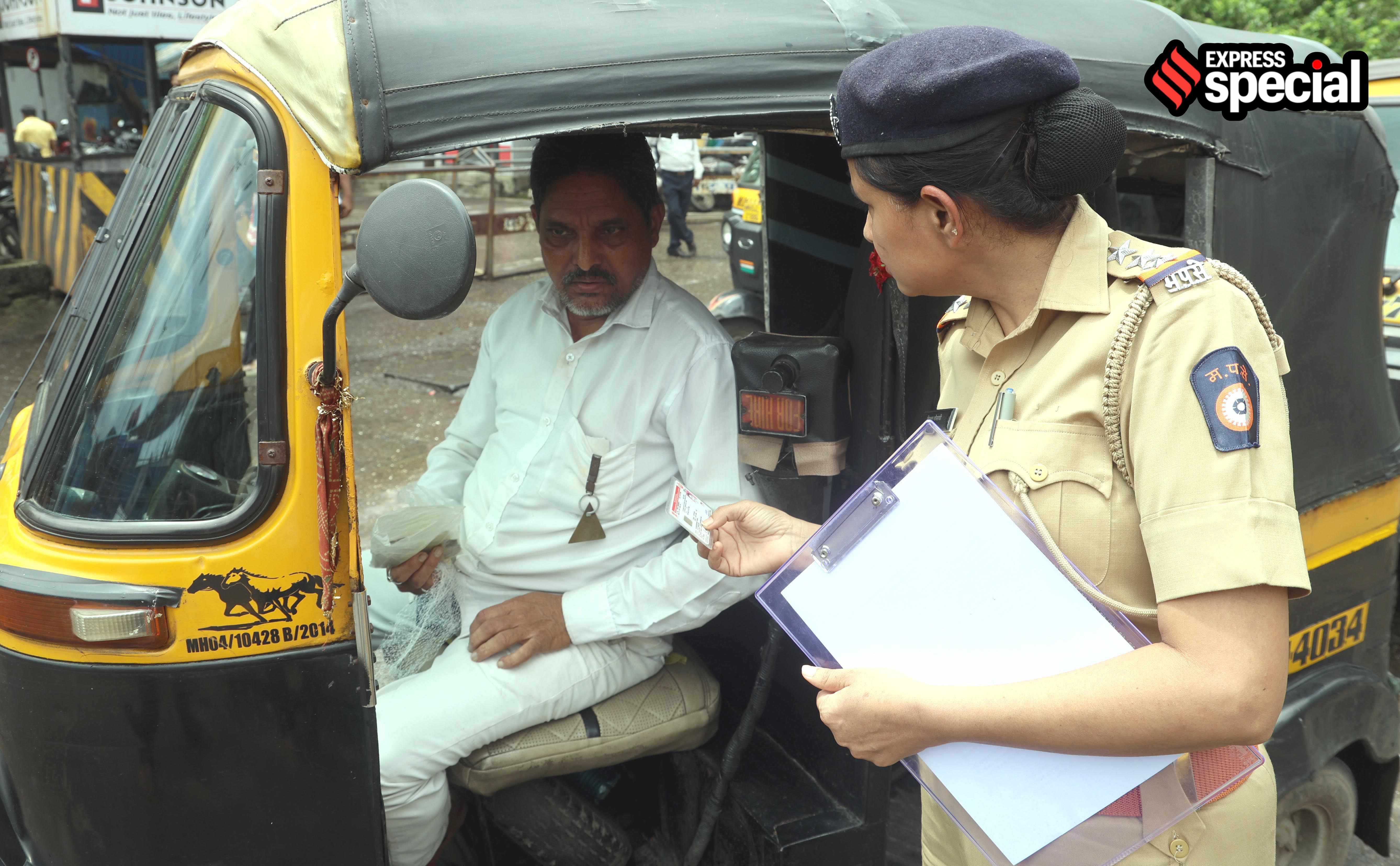
Regional Transport Offices (RTOs) have deployed multiple flying squads to conduct on-ground checks. These squads examine licenses and public service vehicle badges before conducting oral exams in Marathi. The questions are designed to test practical communication—covering topics such as passenger etiquette, routes, fares, and road safety norms—rather than formal linguistic fluency.
The implications for migrant drivers are profound. Many, like 58-year-old Izhar Mohammed from Prayagraj, are now desperately seeking private tutoring or training classes to avoid the three-month suspension penalty. The state has provided 15-point course booklets through various literary organizations to assist in this transition, but many drivers report difficulty in securing formal training seats.
The enforcement drive is scheduled to continue until September 30. Drivers who fail the initial assessment are given a one-month grace period to acquire basic skills. However, failure to demonstrate progress during subsequent checks will lead to the suspension of their badges, a move that could significantly impact the availability of transport in the city.
Frequently Asked Questions
Question 1: What happens if a driver fails the Marathi proficiency test?
Answer: Drivers issued a notice are given one month to learn basic Marathi. If they fail a second check, their driving badge can be suspended for three months.
Question 2: Is this test about formal Marathi grammar?
Answer: No, the test focuses on 'working knowledge' and practical, everyday communication required for interacting with passengers.