Andhra Pradesh Minister B.C. Janardhan Reddy has called for community participation in the 'Swarna Andhra-Swachh Andhra' initiative to eliminate single-use plastics and improve waste management.
- Minister B.C. Janardhan Reddy called for public participation in maintaining cleanliness.
- The 'Swarna Andhra-Swachh Andhra' initiative will be held on the third Saturday of every month.
- A dedicated mission has been launched to make Banganapalle a plastic-free zone.
- Students have been tasked with educating families about waste management and plastic hazards.
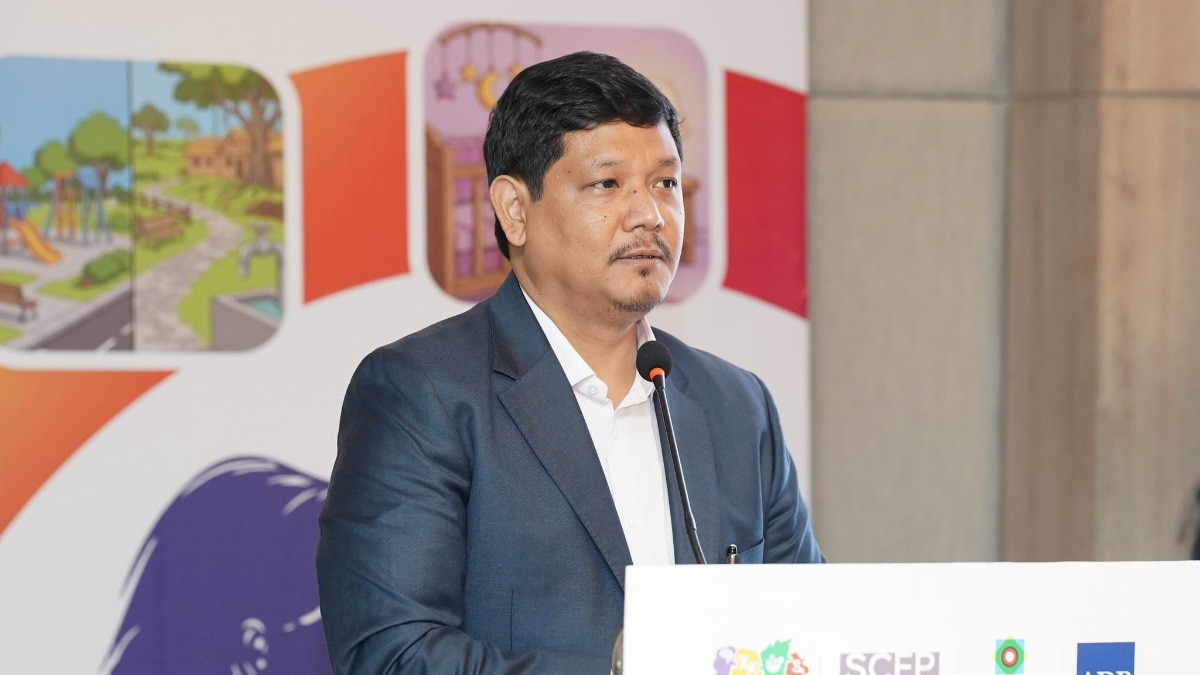
Roads and Buildings (R&B) Minister B.C. Janardhan Reddy has made a powerful appeal to the public to maintain cleanliness in their surroundings and actively work towards building a plastic-free society. Participating in the 'Swarna Andhra-Swachh Andhra' programme in Banganapalle town on Saturday, the Minister emphasized that environmental protection is a collective responsibility.
During the event held near the GM Talkies area, Minister Reddy announced that the government is institutionalizing this initiative by conducting it on the third Saturday of every month. The primary objectives include raising awareness about the ban on single-use plastics, promoting eco-friendly alternatives, and implementing scientific waste management practices.
Why This Matters
BozokMedia analysis shows that top-down government mandates often fail without bottom-up community support. By involving students and local residents in rallies and pledge-taking ceremonies, the state is attempting to embed environmental consciousness into the social fabric, which is critical for long-term sustainability.
Efforts must begin at home to ensure that household waste is disposed of through designated channels rather than polluting public drains.
The Minister highlighted the specific 'Plastic-free Banganapalle – Swachh Banganapalle' initiative, aimed at transforming the township into a zero-plastic zone. He placed a significant responsibility on the younger generation, urging students to act as ambassadors of change by explaining the health risks and environmental degradation caused by plastic usage to their parents.
In a hands-on demonstration of leadership, Minister Reddy personally operated heavy machinery to clear debris from a drainage canal and joined sanitation workers in collecting roadside trash. He stressed that improper disposal of waste in drains and on roads directly contributes to the spread of contagious diseases and public health crises.
Following the cleanliness drive, the Minister inspected ongoing infrastructure projects, including new roads and drainage systems. He issued strict directives to officials to ensure that all developmental works are completed on schedule and adhere to the highest quality standards without compromise.
Historical Background
The concept of scheduled monthly cleanliness drives in India has gained momentum following the national 'Swachh Bharat Abhiyan' launched in 2014. Such regional programs in Andhra Pradesh are designed to decentralize waste management and foster a sense of ownership among local citizens regarding their public spaces.
Frequently Asked Questions
Question 1: When does the Swarna Andhra-Swachh Andhra programme take place?
Answer: The initiative is conducted on the third Saturday of every month to ensure consistent awareness and action.
Question 2: What is the main goal of the Banganapalle initiative?
Answer: The primary goal is to transform Banganapalle into a completely plastic-free zone through community awareness and strict waste management.