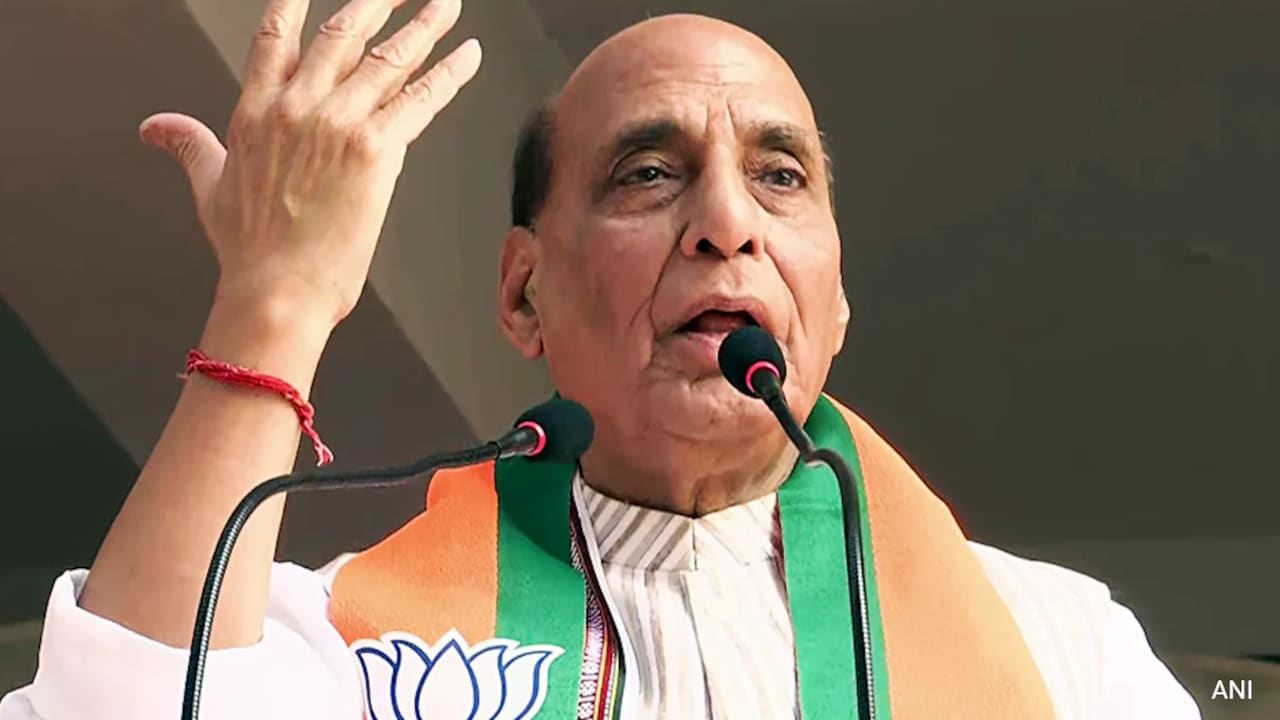
Defense Minister Rajnath Singh emphasized that investing in preventive healthcare is vital for India's economic stability and long-term national security.
In a profound statement regarding the nation's future, Defense Minister Rajnath Singh has highlighted the critical intersection between public health and fiscal stability. He asserted that preventive healthcare is not merely a medical necessity but a cornerstone of national economic security.
The Minister pointed out that the rising prevalence of non-communicable diseases (NCDs) is a growing concern for the country. He specifically identified diabetes, hypertension, heart disease, cancer, kidney failure, and mental health disorders as major threats that could undermine India's demographic dividend.
Why This Matters
BozokMedia analysis shows that the economic burden of chronic diseases extends far beyond individual hospital bills; it impacts national productivity, reduces the active labor force, and strains the public exchequer. By shifting focus toward prevention, the nation can mitigate these systemic risks.
Prioritizing prevention over cure is the most sustainable way to safeguard a nation's economic future.
Historically, healthcare systems in developing nations have been reactive, focusing heavily on curative measures after a disease has manifested. However, as lifestyle-related ailments surge, the paradigm must shift toward proactive screening and healthy living to prevent the economic fallout of a widespread health crisis.
The implications of Singh's remarks are clear: health policy must be integrated with economic planning. A healthier population ensures a more resilient and productive workforce, which is essential for India's goal of becoming a global economic powerhouse.
Frequently Asked Questions
1. What are non-communicable diseases?
NCDs are chronic conditions, such as heart disease and diabetes, that are not passed from person to person.
2. How does health affect national security?
A healthy population ensures a stable workforce and reduces the economic strain caused by widespread medical crises.