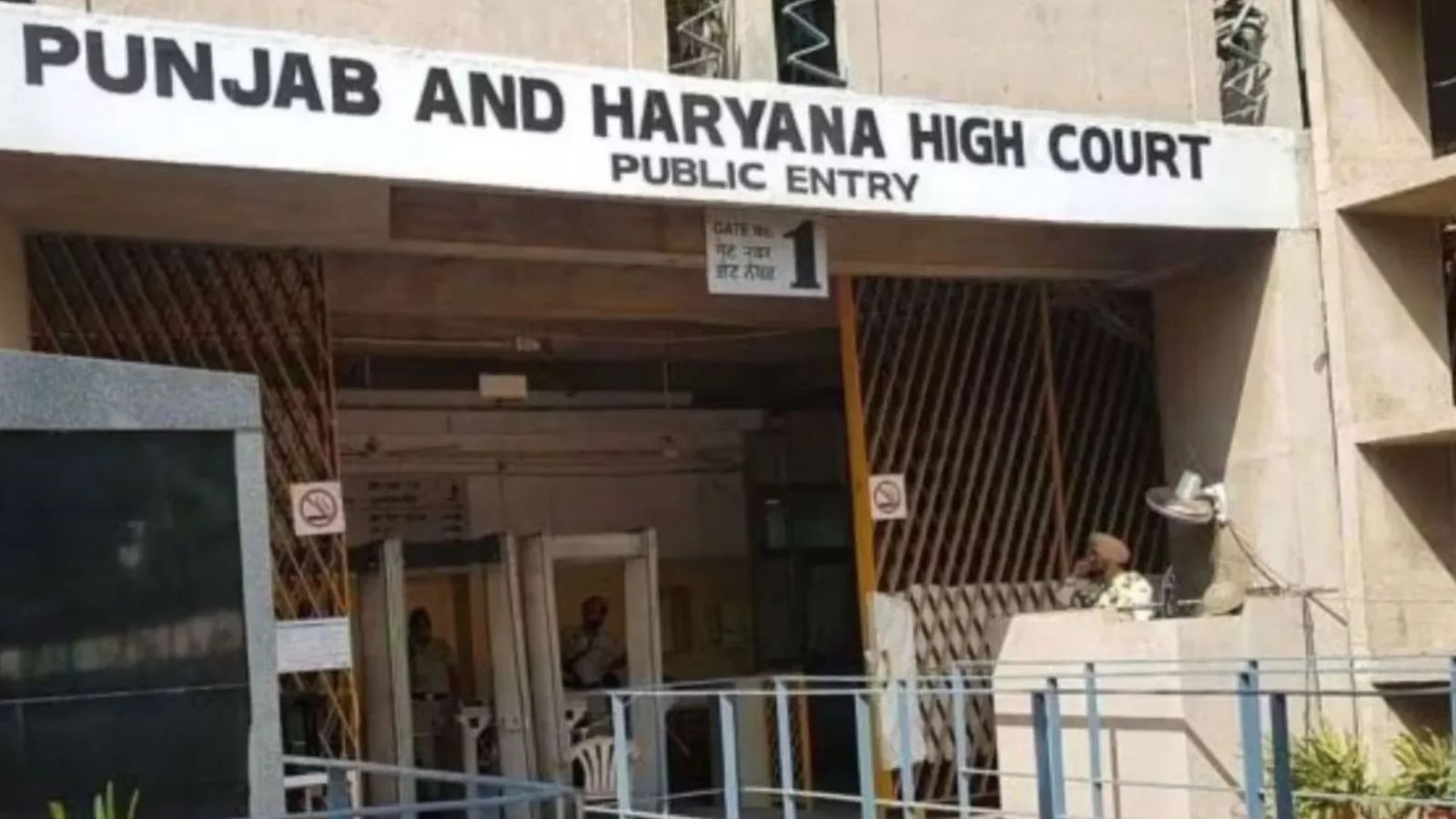
The Punjab and Haryana High Court has directed the Punjab government to submit a detailed affidavit regarding its welfare policies, including free electricity, water, and monthly financial aid.
- HC demands detailed disclosure of all state welfare schemes and financial assistance.
- The directive includes specifics on free electricity, water, and transport facilities.
- The case stems from a plea for posthumous regularization of a deceased employee.
Chandigarh: In a significant move, the Punjab and Haryana High Court has directed the Punjab state government to file a comprehensive affidavit detailing the various schemes, policies, and public announcements made to provide financial assistance and welfare benefits to its citizens. The order was passed by Justice Sandeep Moudgil during a hearing involving a petition for posthumous service regularization.
The court has specifically instructed the state to disclose measures undertaken to provide essential services such as free electricity, free water, free transportation, and monthly financial assistance. The bench emphasized that these measures are vital for alleviating hardship and facilitating the livelihood of citizens, serving as a core obligation of the state in its capacity as a Welfare State.
Background of the Case
The legal proceedings were initiated by Baljinder Kaur, the widow of the late Tara Singh, and their son Gursewak Singh. The petitioners are seeking the posthumous regularization of Tara Singh’s service as a Chowkidar. They argue that such regularization would entitle the widow to a family pension under the Old Pension Scheme (OPS) and allow their son to seek compassionate appointment.
The history of the case dates back to 1992, when Tara Singh was appointed as a temporary Chowkidar. Despite a 2018 Industrial Tribunal order for his reinstatement with continuity of service, his regularization remained unfulfilled. Following his death in service on April 4, 2023, his family has been fighting for the benefits they claim were denied to him while he was alive.
Why This Matters
BozokMedia analysis shows that this judicial intervention is a critical test for the state government's welfare narrative. While political parties often campaign on promises of free utilities, the court is now demanding a formal, legal accounting of how these schemes are structured and implemented. This could set a precedent for how 'freebies' are scrutinized under the legal framework of state obligations.
The court's demand for transparency ensures that welfare promises are backed by concrete policy frameworks rather than mere political rhetoric.
The Punjab government has been granted time to file its response, with the next hearing scheduled for October 7, 2026. The court is looking for specific details on how these benefits are distributed to the most vulnerable sections of society.
Frequently Asked Questions
1. What specifically did the High Court ask the Punjab government to disclose?
The court asked for details on all schemes providing financial assistance, including free electricity, water, and monthly doles.
2. What is the primary grievance of the petitioners?
The petitioners are seeking posthumous regularization of a deceased employee to secure pension benefits for his widow and employment for his son.
