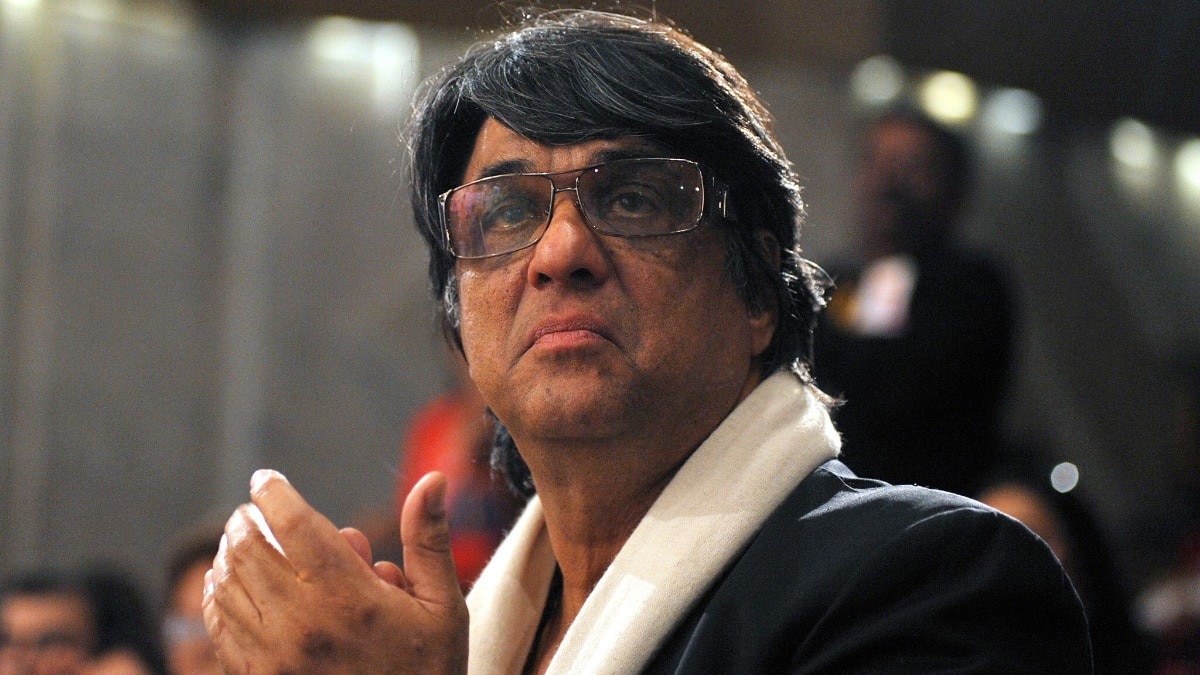
Bollywood veteran Mukesh Khanna has reignited a national debate by stating that ‘Jana Gana Mana’ cannot serve as India’s national anthem and that ‘Vande Mataram’ should replace it. The comment sparked a wave of online backlash and fervent discussion across social platforms.
- Khanna argues Jana Gana Mana was written under British rule and is unsuitable as a national anthem.
- He advocates for Vande Mataram to be elevated to the status of national anthem.
- The statement triggered intense trolling and polarized reactions on social media.
Veteran actor Mukesh Khanna, best known for his iconic role as “Shaktimaan,” has once again found himself at the centre of a cultural controversy. In a recent interview on 23 August 2026, he asserted that Jana Gana Mana cannot be India’s national anthem and that Vande Mataram should take that honour.
Khanna explained that Jana Gana Mana was penned by Rabindranath Tagore in 1911 during British colonial rule, describing it as a “song praising the British queen Elizabeth” and containing “authoritarian” language. He added, “It was written when George V ruled over a sub‑continent that was still under British dominion.”
The remarks immediately ignited a firestorm online. Netizens flooded platforms with #MukeshKhanna, #NationalAnthem, and #VandeMataram hashtags, some mocking the actor, while others echoed his sentiment that the anthem should reflect indigenous pride rather than colonial legacy.
Khanna’s support for Vande Mataram rests on the belief that the song “expresses deep respect and devotion to our motherland.” He highlighted that the poem was authored by Bengali poet Bankim Chandra Chatterjee around 1870 and was declared India’s national song in 1950.
For context, Jana Gana Mana was adopted as the national anthem in 1950, whereas Vande Mataram, though honoured as the national song, has never been elevated to anthem status. Changing this would require a constitutional amendment, a process involving both parliamentary approval and widespread public consensus.
Why This Matters
BozokMedia analysis shows that statements from high‑profile personalities can reshape public discourse on national symbols, potentially influencing policy debates and collective identity narratives.
"The choice of a national anthem reflects not only historical circumstances but also the emotional unity of a nation," notes historian Dr. Anita Singh.
Frequently Asked Questions
Can Vande Mataram legally replace Jana Gana Mana as the national anthem?
Constitutionally, Jana Gana Mana is designated as the national anthem and Vande Mataram as the national song; any change would require a constitutional amendment passed by Parliament.
What legal repercussions could arise from Khanna’s statements?
As a private citizen, Khanna faces no legal penalties for expressing his opinion, though heightened public controversy could prompt governmental review of anthem policies.