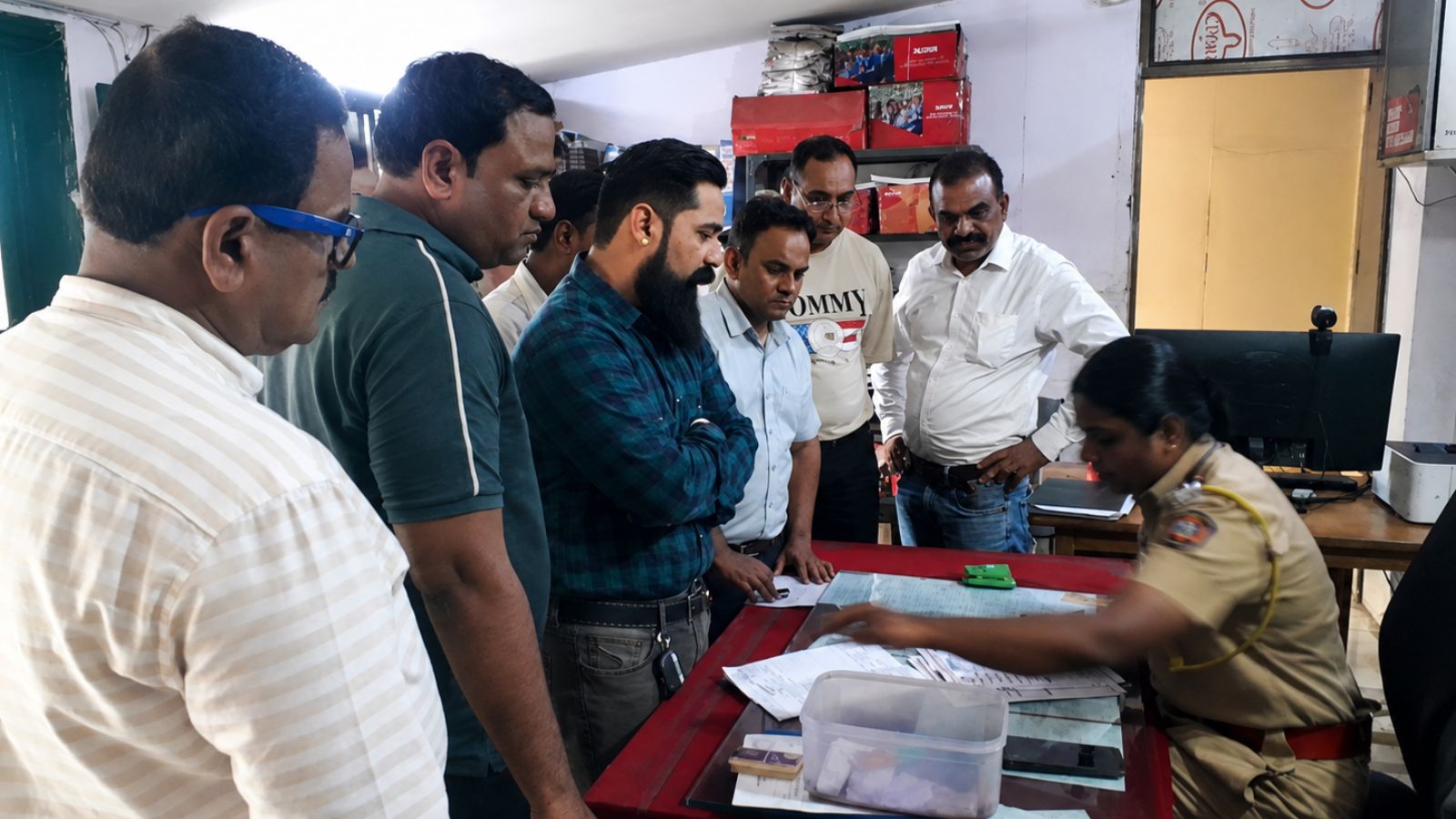
The transition from MGNREGA to the newly launched VB-G RAM G scheme in Karnataka has seen a massive slump in employment generation, raising concerns among rural laborers.
- Employment person-days under the new VB-G RAM G scheme have plummeted compared to MGNREGA levels.
- Technical glitches and a lack of implementation clarity are stalling progress.
- Top-performing districts like Belagavi are facing significant setbacks.
- Changes in the Center-State funding ratio have added fiscal pressure on the State.
The rural landscape of Karnataka is witnessing a concerning trend as the transition from the long-standing MGNREGA to the newly implemented VB-G RAM G (Viksit Bharat-Guarantee for Rozgar and Ajeevika Mission-Gramin) scheme faces significant teething troubles. Recent data reveals a sharp decline in employment generation, leaving rural households in a state of uncertainty.
During the months of July and August 2025, MGNREGA had generated 61.48 lakh and 36.15 lakh person-days, respectively. In stark contrast, the new VB-G RAM G scheme managed only 17.98 lakh and 26.27 lakh person-days during the same period. This massive gap highlights the friction between policy shift and ground-level execution.
Why This Matters
BozokMedia analysis shows that the sudden shift from a demand-driven model to a more regulated, allotment-based system has created a vacuum in rural livelihood security. As drought-like conditions hit much of the state due to El Niño, the failure of an employment safety net at this critical juncture could exacerbate rural poverty and migration.
Unlike the old demand-driven MGNREGA, the new scheme requires prior clearances and central allotments, which has effectively throttled the immediate availability of work.
The impact is most visible in Belagavi, a district that has consistently been a national leader in employment generation. For three consecutive years, Belagavi Zilla Panchayat stood among the top performers under MGNREGA, even creating up to 1.25 crore person-days. However, since the new scheme took effect on July 1, the district has managed to generate only about 3 lakh person-days, a staggering decline from its historical benchmarks.
Officials from various Zilla Panchayats have pointed toward technical glitches and administrative hurdles. The process of creating 'Nominal Muster Rolls' is reportedly more cumbersome than before, and coordination between key departments like engineering, water supply, and forestry remains suboptimal. Furthermore, the alteration in the funding-sharing ratio between the Centre and the State has placed an additional burden on the Karnataka government, deterring it from initiating more works.
Historical Background
For over two decades, MGNREGA has served as the backbone of India's rural social security, operating on a decentralized, demand-driven model. The introduction of VB-G RAM G represents a strategic policy shift toward a more structured mission-mode implementation, but the transition period is currently marred by systemic inefficiencies.
Frequently Asked Questions
1. What is the primary reason for the decline in employment?
The decline is attributed to technical difficulties in the new system, lack of implementation clarity, and the requirement for prior central approvals.
2. How does VB-G RAM G differ from MGNREGA?
While MGNREGA was purely demand-driven, VB-G RAM G involves a more centralized allotment and clearance process.