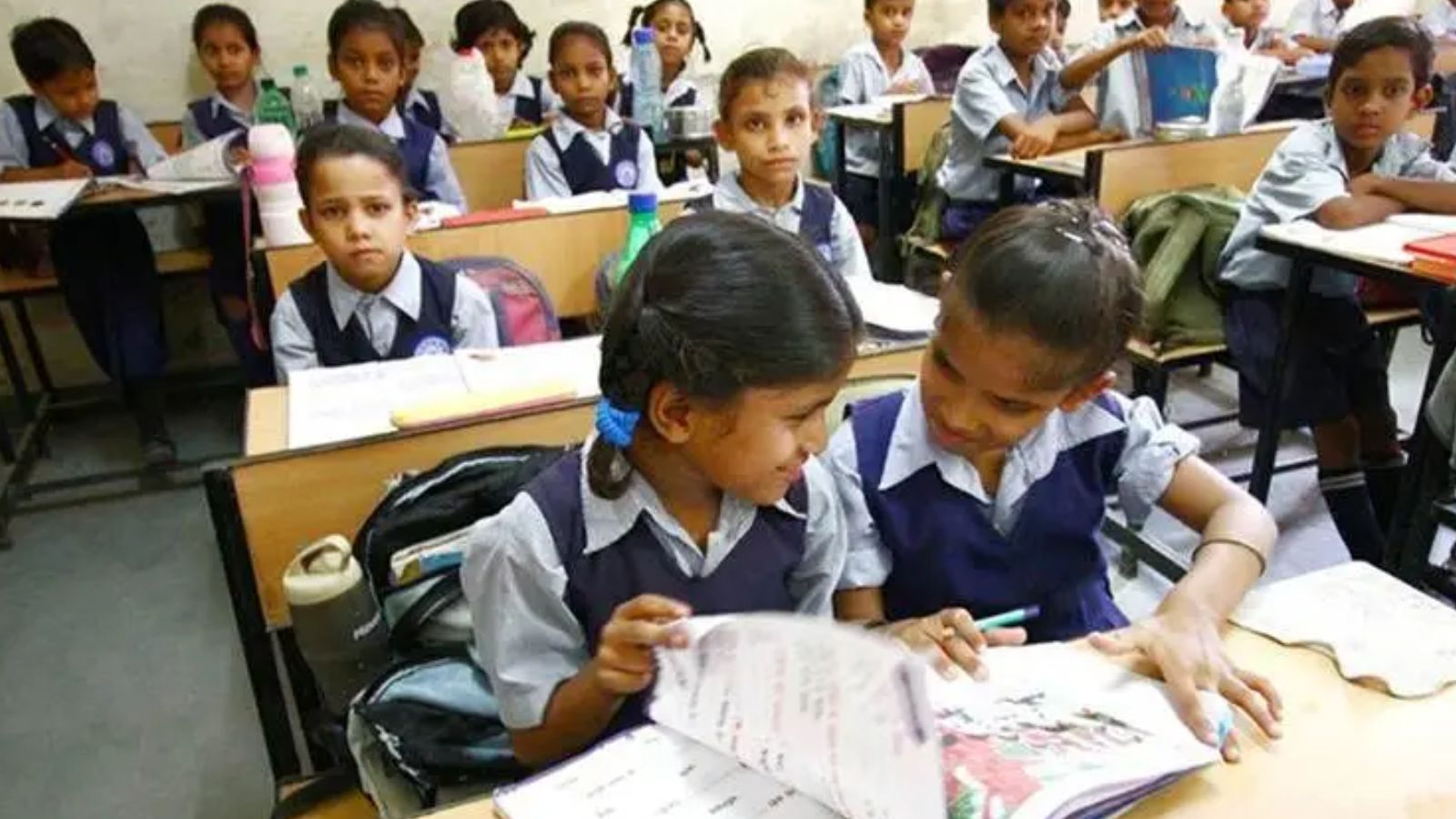
A four‑year‑old boy selected through Haryana’s EWS lottery was denied admission by The Shri Ram School Aravali on distance grounds, prompting his father to take the case to court. Gurgaon’s district court ordered the school to admit the child within 15 days, marking a landmark enforcement of RTE rules in private schools.
- Reyansh secured an EWS seat via lottery but was rejected due to a 3‑km distance rule.
- Father Rajpal Chauhan won a two‑month legal battle, forcing the school to admit his son.
- The court labeled the school’s refusal as a tactic to deprive weaker‑section children of education.
On April 29, a computerised lottery conducted by the Haryana Department of School Education allotted a seat at The Shri Ram School Aravali to four‑year‑old Reyansh under the Economically Weaker Section (EWS) quota. The lottery is meant to give disadvantaged families a chance at quality private education.
Despite the allocation, the school refused admission, citing that Reyansh’s residence was more than 3 km away, thereby violating Haryana’s “neighbourhood‑distance” criterion under the Right to Education (RTE) rules.
Rajpal Chauhan, a single‑breadwinner from Begumpur Khatola, Gurgaon, filed an interim injunction in the Civil Judge (Junior Division). The plea was dismissed on July 13, prompting him to approach the district court.
On August 18, Additional District Judge Dr. Gagan Geet Kaur ordered the school to admit Reyansh within 15 days, condemning the rejection as a “tactic to deprive children of weaker sections of society from education.” The judgment referenced a recent Supreme Court ruling that private schools cannot overrule state‑allocated EWS seats.
The court highlighted a procedural lapse: the state’s admission portal does not automatically filter school options based on the applicant’s address, making it unreasonable to expect parents to know the exact “neighbourhood school” definition.
Why This Matters
BozokMedia analysis shows that this verdict reinforces the Supreme Court’s stance that private unaided schools cannot override state‑allocated EWS seats, setting a precedent for nationwide enforcement of RTE provisions.
"Private schools must honor state‑allocated EWS seats; otherwise, they undermine the very spirit of inclusive education," says education law expert Dr. Meera Sharma.
Frequently Asked Questions
Q1: Are private schools obligated to accept EWS seats allocated through state lotteries?
A: Yes. Following the 2025 Supreme Court decision, any refusal without a valid statutory reason is deemed illegal.
Q2: What penalties can a school face for defying a court order?
A: Courts can impose fines, suspend the school’s license, or enforce other administrative actions.