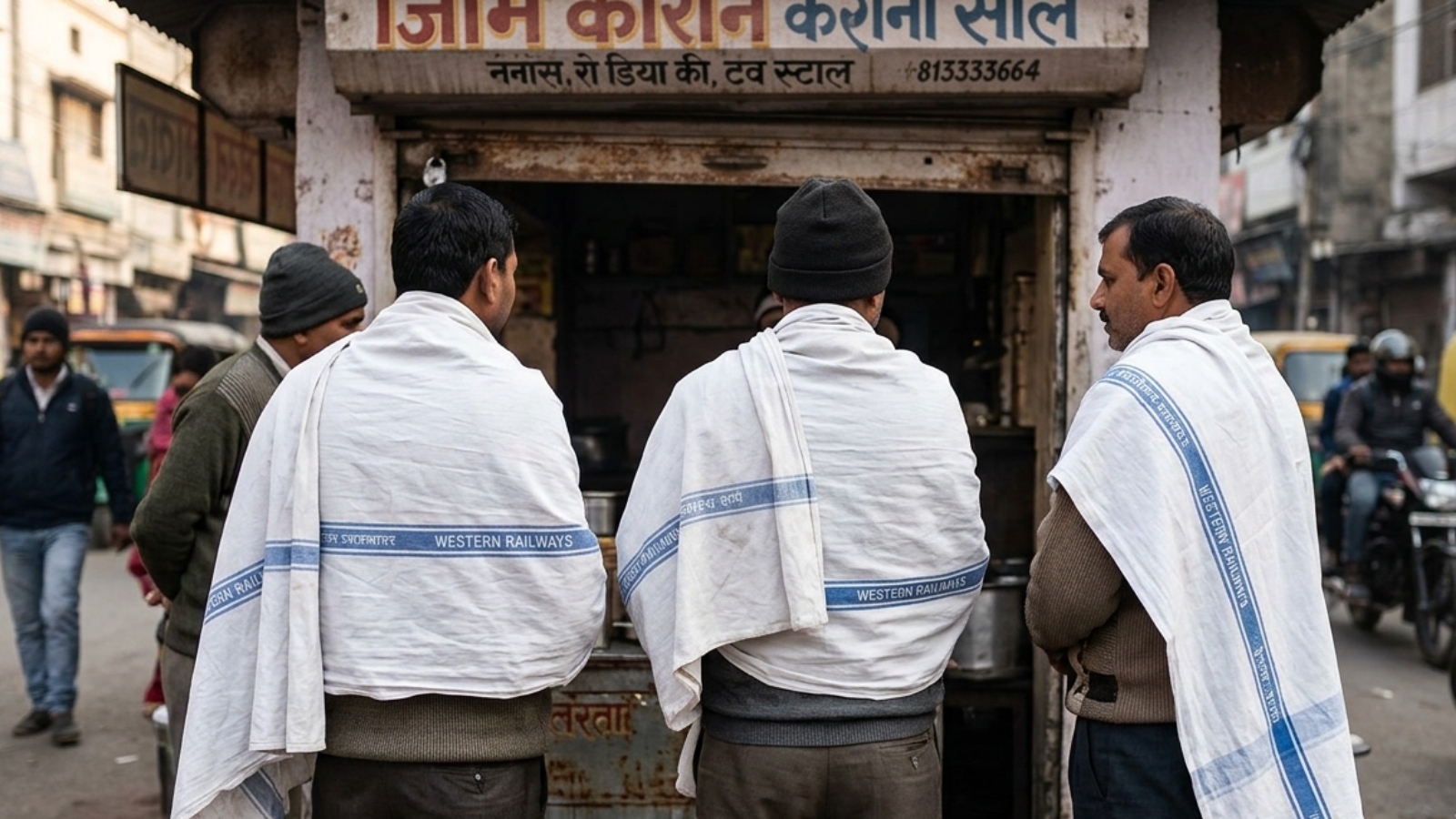
The Haryana government has resolved a long-standing legal ambiguity by clarifying that children of daughters are entitled to the same 100% stamp duty exemption as children of sons for lifetime property transfers.
- Daughters' children now receive the same 100% stamp duty exemption as sons' children.
- The government corrected a linguistic discrepancy between English and Hindi versions of a 2014 notification.
- The move was approved by CM Nayab Singh Saini to ensure gender equality in property rights.
- The clarification removes financial barriers for families transferring wealth to female lineage.
In a landmark move to ensure gender parity in property inheritance, the Haryana Government has officially clarified that the 100 per cent stamp duty exemption on lifetime transfers of immovable property applies equally to the children of daughters. This clarification addresses a significant legal loophole that previously prevented many families from accessing these benefits for their maternal grandchildren.
The controversy stemmed from a 2014 notification issued under Section 9 of the Indian Stamp Act, 1899. While the English version of the document used the inclusive term "grandchildren," the Hindi translation utilized the term 'pautra-pautri.' In traditional linguistic and legal contexts in India, 'pautra-pautri' specifically refers to the children of a son, thereby inadvertently excluding the children of daughters from the exemption benefits at various sub-registrar offices.
Historical Context and the Patriarchal Pattern
For decades, property transfer patterns in Haryana have largely followed traditional patriarchal lines. Most agricultural lands, residential plots, and immovable assets were historically transferred from parents to sons. Because transfers to daughters—and subsequently to their children—were statistically less frequent, the linguistic discrepancy in the 2014 notification remained largely undetected by the general public and administrative bodies.
However, shifting social dynamics and increased legal awareness regarding women's rights have brought this issue to the forefront. As more families begin to recognize the importance of economic security for their daughters, the demand for equitable property transfer mechanisms has surged.
Why This Matters
BozokMedia analysis shows that this administrative correction is much more than a mere translation fix; it is a fundamental step toward dismantling systemic barriers to women's economic empowerment. By removing the ambiguity, the state is effectively lowering the cost of wealth distribution to female descendants, aligning state policy with modern judicial interpretations of equality.
This correction rectifies a systemic oversight that effectively penalized families for choosing to empower their daughters' lineage over traditional patriarchal norms.
The resolution process involved a thorough examination by Dr. Sumita Misra, Haryana Financial Commissioner (Revenue), and received final approval from Chief Minister Nayab Singh Saini. The government has now issued a formal corrigendum in the state gazette, replacing the restrictive terms with 'pautra-pautri, dohata-dohati/nati-natin' to explicitly include maternal grandchildren.
Frequently Asked Questions
1. Does this exemption apply to all types of property?
The exemption applies to eligible lifetime transfers of immovable property, including agricultural land and residential plots, as per the Indian Stamp Act.
2. When did this clarification come into effect?
The formal corrigendum was issued in the state gazette on August 13, effectively resolving the ambiguity created in 2014.