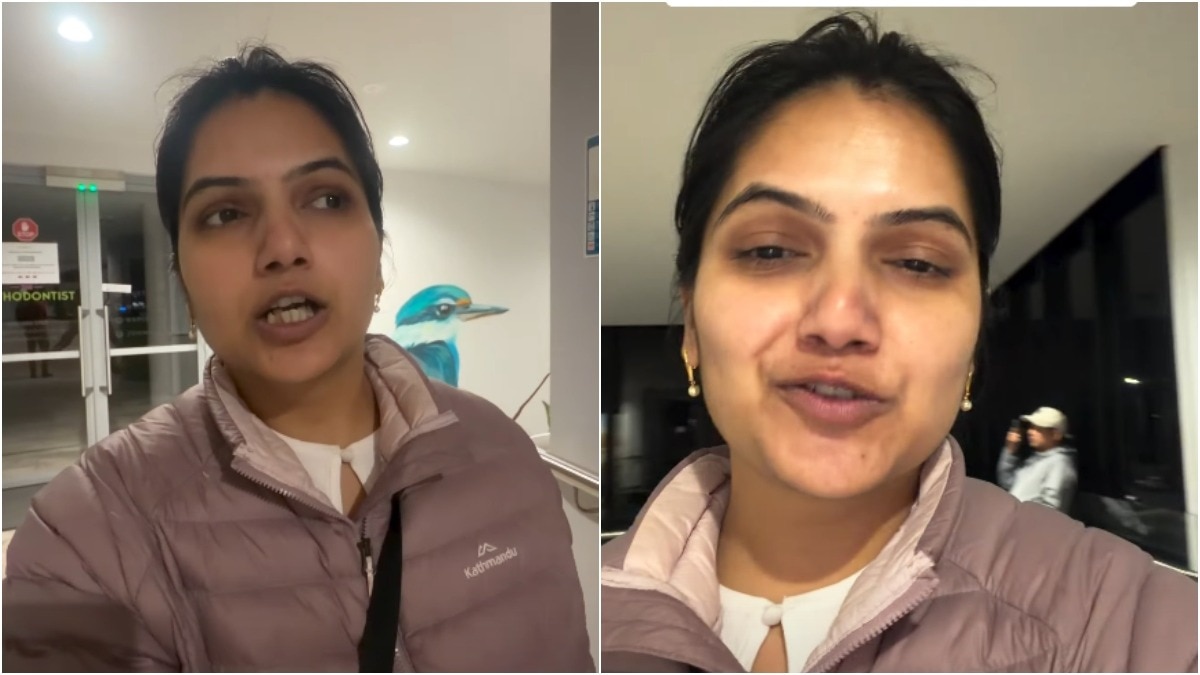
An Indian woman living in New Zealand has highlighted the struggle of accessing timely medical care after being told to wait a week for her child's doctor appointment.
- An Indian expatriate in New Zealand faced a week-long delay in securing a medical appointment for her child suffering from a persistent cough.
- After-hours clinics were also reported to be at full capacity, turning away walk-in patients.
- The incident has sparked a global conversation regarding the accessibility of healthcare in developed nations versus India.
Akriti Jaiswal Srivastava, an Indian woman residing in New Zealand, has brought international attention to the systemic delays in the country's healthcare system. Through a viral Instagram video, she recounted the harrowing experience of trying to secure medical attention for her son, Kevith, who had been suffering from a persistent cough for ten consecutive days.
According to Srivastava, her attempts to contact her local medical center on a Thursday resulted in a frustrating response: there were no available appointments for an entire week. The earliest possible slot offered was the following Wednesday. This delay left a concerned parent in a precarious position, balancing the need for professional medical advice with the reality of a strained system.
Why This Matters
BozokMedia analysis shows that this case highlights a growing trend in many developed nations where the high demand for primary care often leads to significant bottlenecks. While these countries boast advanced medical technology, the 'human access' component—the ability to see a doctor when needed—is becoming increasingly compromised by capacity issues and administrative hurdles.
The paradox of modern healthcare is that while technology advances, the physical accessibility of a doctor is becoming a luxury in many developed economies.
Desperate for immediate help, Srivastava took her child to an after-hours clinic, which is designed to handle walk-in patients outside of regular hours. However, the struggle continued. The clinic was so overwhelmed that a notice was posted at the entrance stating, "We are sorry but we are at capacity and unable to take any more patients tonight."
The experience has prompted a comparative reflection on healthcare accessibility. Srivastava noted that while New Zealand is a highly developed nation, the ease of accessing immediate medical consultation in India is something she now deeply appreciates. In India, the ability to visit a clinic or hospital and be seen by a doctor almost immediately remains a standard expectation.
Frequently Asked Questions
1. What was the main issue faced by Akriti Jaiswal Srivastava?
She was unable to get a timely appointment for her child's 10-day cough and found that even after-hours clinics were at full capacity.
2. How did this experience change her perspective on healthcare?
It made her realize the relative ease and speed of accessing medical professionals in India compared to the long waiting periods in New Zealand.