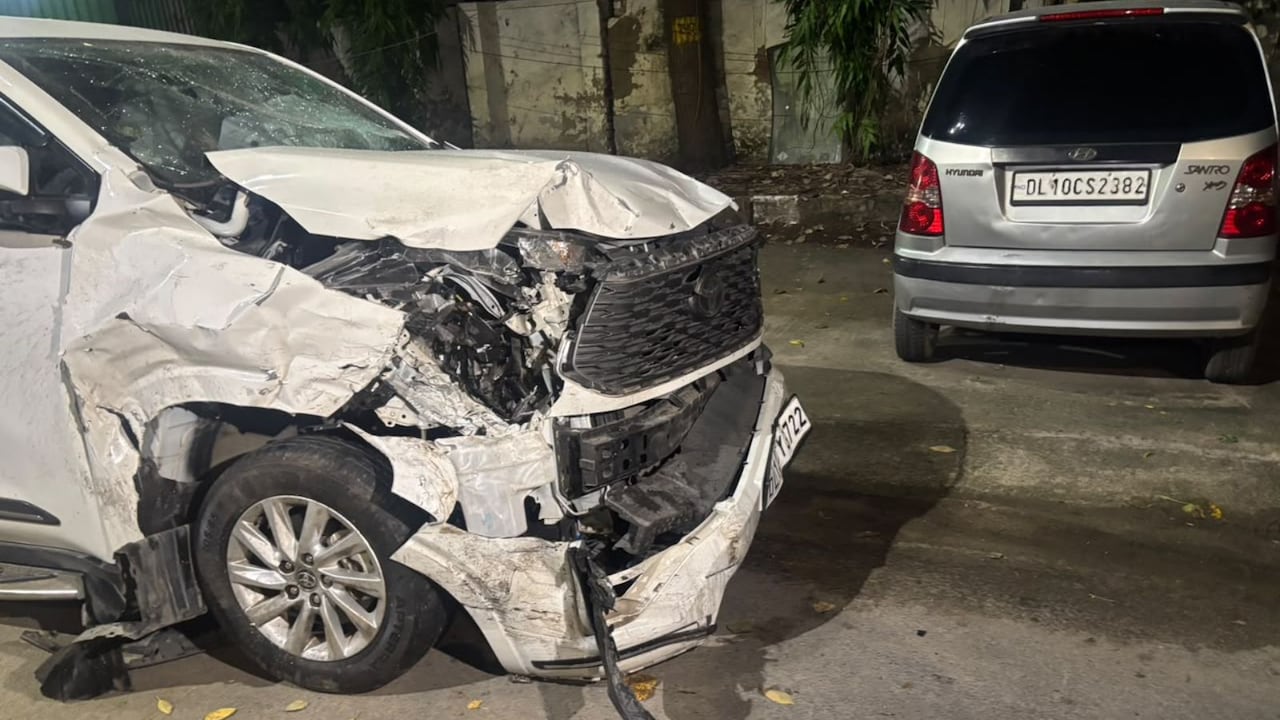
The Jawaharlal Nehru University Students' Union (JNUSU) staged a protest at IIT Delhi demanding accountability after a second-year MSc student allegedly died by suicide on campus.
- Death of a 31-year-old second-year MSc student at IIT Delhi.
- JNUSU and AISA allege 'institutional apathy' and systemic failure.
- Demands for the implementation of the Rohith Act and independent inquiry.
- IIT Delhi administration confirms police investigation is underway.
The Jawaharlal Nehru University Students' Union (JNUSU) organized a significant protest outside the Indian Institute of Technology (IIT) Delhi on Sunday. The demonstration follows the tragic and sudden death of a 31-year-old, second-year MSc student, who allegedly took their own life on campus on August 22.
Protesting students have pointed toward a recurring pattern of student fatalities at the premier institute. They accused the administration of 'institutional apathy,' noting that this marks the second student death at IIT Delhi within this calendar year. The protesters are calling for a confrontation with the structural issues that contribute to such tragedies.
Why This Matters
BozokMedia analysis shows that the pressure cooker environment of India's elite technical institutions is creating a mental health emergency. When top-tier students face such extreme distress, it indicates a failure in the institutional support systems designed to nurture them.
Institutions must move beyond cosmetic sympathy and address the systemic academic pressures that drive student distress.
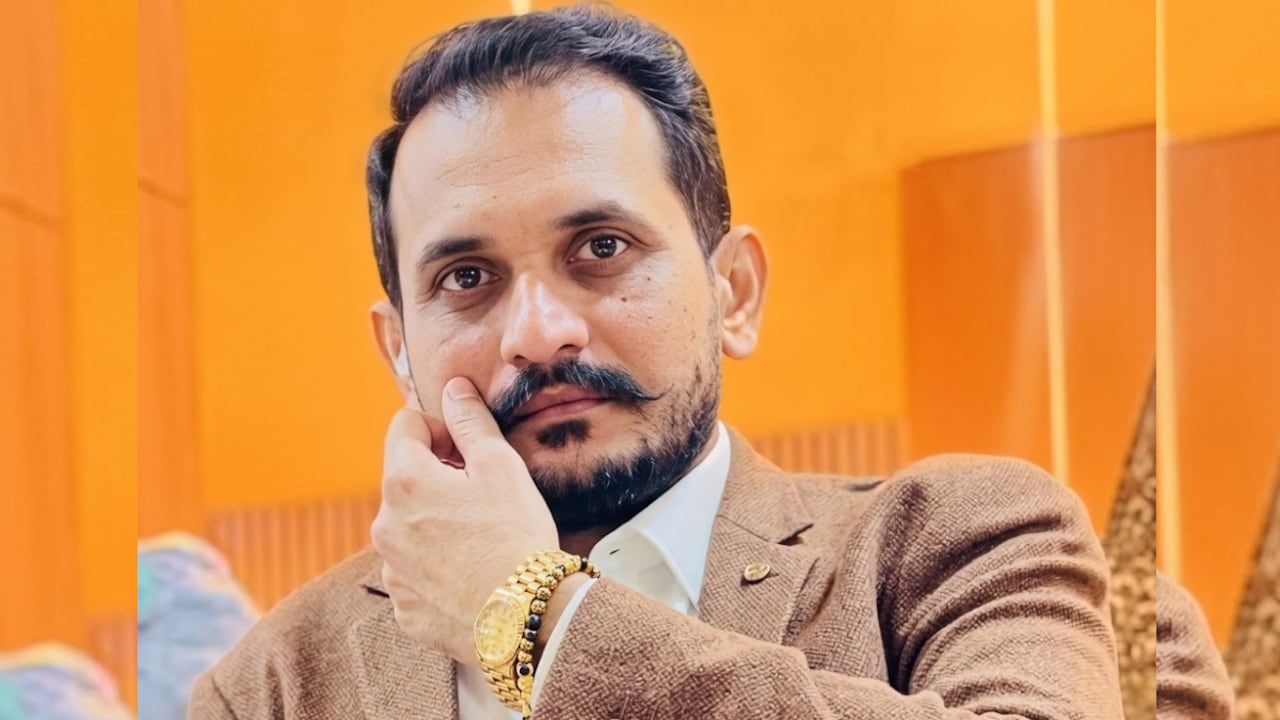
JNUSU President Aditi highlighted the need for the implementation of the Rohith Act. She emphasized that bright young minds should not be crushed by administrative pressure and merit-based scrutiny that ignores human well-being. "We will raise our voices across campuses," she stated firmly.
The All India Students' Association (AISA) has also stepped in, demanding a transparent, independent inquiry. Their demands include a complete review of the counseling infrastructure and an end to the discretionary power held by supervisors over students' academic futures.
Historical Background
Student suicides in premier Indian institutes like IITs and NITs have been a recurring theme in national discourse. These incidents often spark debates regarding the intense competition, the lack of adequate mental health resources, and the perceived lack of accountability from university administrations.
Frequently Asked Questions
Question 1: What are the specific demands of the protesting students?
Answer: They are demanding an independent probe, transparency in counseling services, and the implementation of the Rohith Act.
Question 2: What has been the response from IIT Delhi?
Answer: IIT Delhi expressed deep mourning and stated that the Delhi Police are currently investigating the incident.