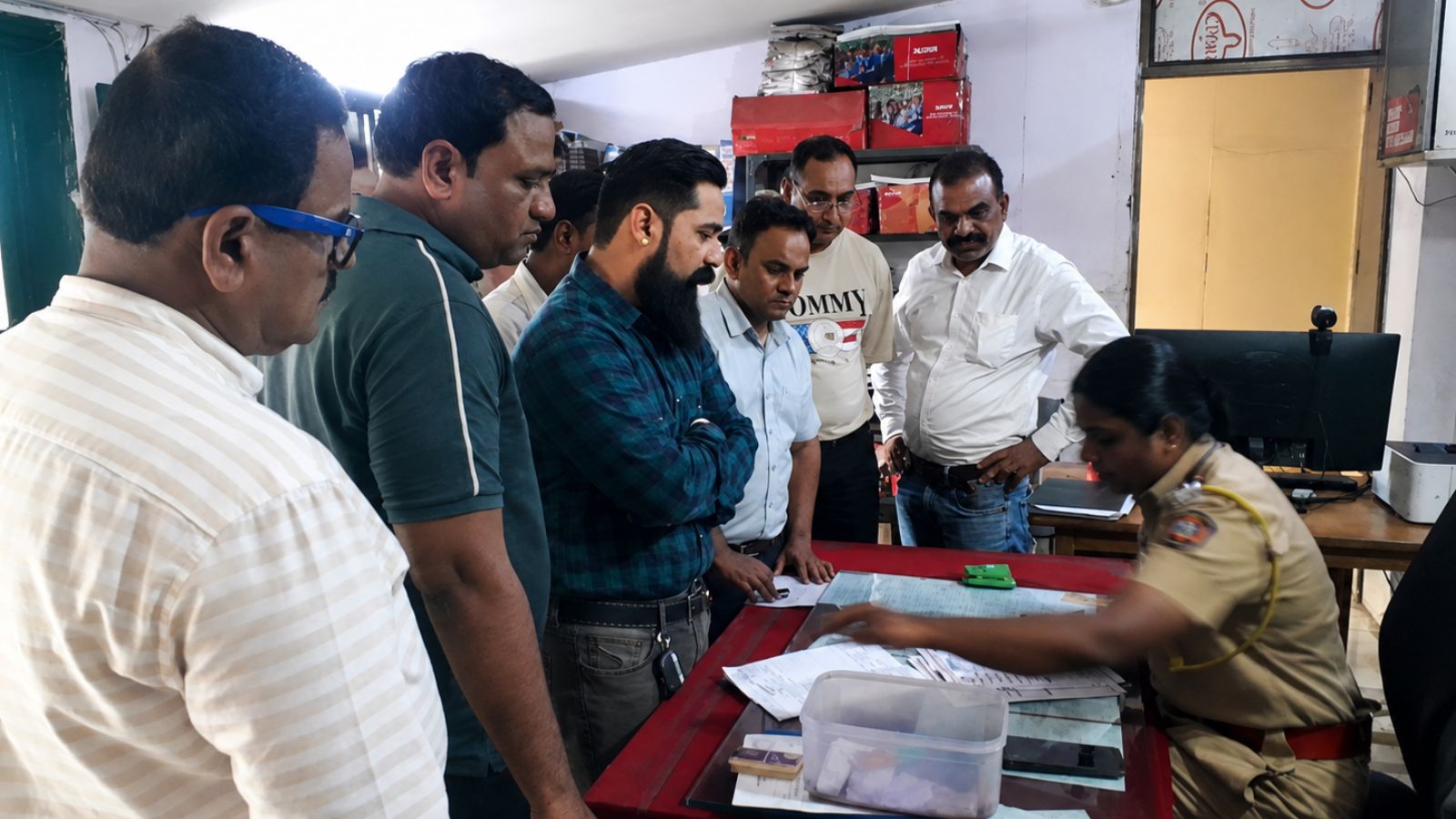
Minister V. Sampath Kumar inaugurated a solar installation training program and provided financial assistance to women's self-help groups in Coimbatore. The initiative aims to boost rural employment through green energy skills.
- Launch of a one-week solar power installation vocational training program.
- Disbursement of ₹7 lakh loan to the 10-member Lotus Women’s SHG.
- Combined Central and State subsidy of approximately ₹1 lakh for 3 kW solar systems.
- Inauguration of new retail outlets for vegetables, fruits, and textiles.
In a significant move towards skill development and women's empowerment, a multi-faceted program was held in Coimbatore on Saturday. The event, jointly organized by NERD NGO and Dr. Kamaraj Uzhavar Producer Company, focused on vocational training and financial inclusion.
The Minister for Backward Classes Welfare, V. Sampath Kumar, presided over the event, where he handed over a substantial loan of ₹7 lakh to the Lotus Women’s Self-Help Group (SHG). This financial injection is designed to foster entrepreneurship among women in the region.
Skill Development and Incentives
A key highlight was the launch of a one-week solar power installation training program for 30 candidates. Furthermore, certificates were awarded to participants who successfully completed a comprehensive three-month free training course, which included provisions for food and accommodation. To further encourage learners, those completing the one-week program received both a certificate and a cash incentive of ₹3,500.
Minister Sampath Kumar emphasized that such specialized skill training is vital for improving employment opportunities, enabling beneficiaries to enhance their income levels and overall standard of living. He also detailed the government's ongoing support for SHGs, including a revolving fund of ₹15,000 per group and various subsidized loan schemes.
Why This Matters
BozokMedia analysis shows that integrating vocational training with direct financial aid creates a sustainable ecosystem for economic mobility. By training citizens in renewable energy sectors, the government is simultaneously addressing unemployment and the global transition toward sustainable energy solutions.
Integrating micro-finance with technical skill training is the most effective way to build resilient local economies.
Addressing the adoption of renewable energy, the Minister highlighted the massive subsidies available for rooftop solar systems. For a 3 kW system, the Central Government provides a subsidy of ₹78,000, while the State Government contributes an additional ₹22,000, bringing the total subsidy to nearly ₹1 lakh. He urged households to adopt solar energy to mitigate rising electricity costs and protect the environment.
The event also saw the inauguration of retail outlets for vegetables, fruits, and textiles managed by the Dr. Kamaraj Uzhavar Producer Company. The organization's director stated that these outlets, particularly the one in Vadavalli, aim to provide affordable produce to underprivileged and tribal communities.
Frequently Asked Questions
Question 1: How much total subsidy is available for a 3 kW solar system?
Answer: Through combined Central and State government schemes, users can receive a total subsidy of approximately ₹1,00,000.
Question 2: What kind of support does the government provide to Women's SHGs?
Answer: The government provides a revolving fund of ₹15,000 per group and offers loans at subsidized interest rates.