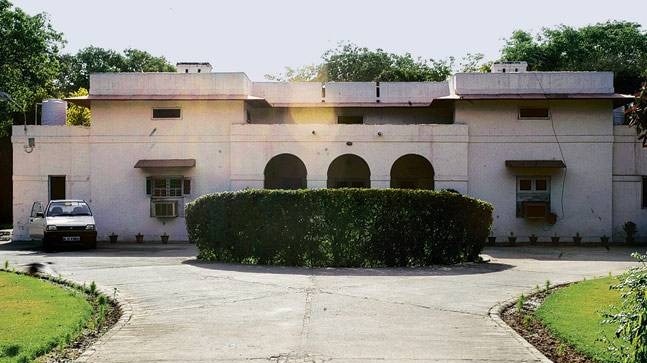
A startling RTI disclosure reveals that spending on the repair and furnishing of Union Ministers' official residences in Delhi hit a record ₹92.35 crore in 2025-26, tripling over the last decade.
- Record spending of ₹92.35 crore in 2025-26 for ministers' homes.
- Expenditure has tripled compared to ₹27.47 crore in 2014-15.
- Total outlay of ₹547.68 crore between 2014-15 and 2025-26.
- Aging colonial infrastructure and seepage cited as primary cost drivers.
The annual expenditure on the renovation, furnishing, and repair of official residences for Union Ministers within Delhi's prestigious Lutyens Bungalow Zone (LBZ) has reached an unprecedented high. According to data obtained via a Right to Information (RTI) query, the government spent a staggering ₹92.35 crore in the 2025-26 financial year alone, marking a sharp upward trajectory in maintenance costs.
The Central Public Works Department (CPWD), the agency tasked with the upkeep of these estates, attributed the surge to inflation and the inherent challenges of maintaining century-old structures. The data shows a dramatic rise from the ₹27.47 crore spent in 2014-15. Over the span of 11 years, the cumulative expenditure on these residences has reached ₹547.68 crore.
Architectural Decay and Colonial Legacy
Developed between 1912 and 1930 to serve as the imperial capital, these bungalows are now between 80 and 100 years old. CPWD officials have highlighted chronic issues including severe seepage, termite infestations, outdated electrical wiring, and failing plumbing systems. Some structures had reportedly become structurally unsafe, necessitating urgent and expensive upgrades.
"These bungalows reflected the imperial pattern of British residences, designed to project power and provide isolated luxury for colonial officials."
Why This Matters
BozokMedia analysis shows that this spending pattern reflects a broader tension between the preservation of colonial heritage and the fiscal responsibility of a modern democracy. While maintaining historical assets is important, an average expenditure of ₹1.2 crore per minister per year raises questions about the proportionality of spending on elite housing versus public infrastructure projects.
| Financial Year | Annual Expenditure (₹ Crore) | Spending Trend |
|---|---|---|
| 2014-15 | 27.47 | Baseline |
| 2019-20 | 26.37 | Stable |
| 2022-23 | 73.86 | Sharp Increase |
| 2025-26 | 92.35 | All-time High |
Historian Swapna Liddle clarified that while the zone is named after Edwin Lutyens, most of the bungalows were actually designed by PWD architects under British rule. A notable example is the residence currently occupied by Home Minister Amit Shah, which once belonged to Herbert Baker, the architect of the old Parliament House.
Frequently Asked Questions
1. Why has the cost of maintaining ministers' bungalows increased so sharply?
The increase is driven by the extreme age of the buildings (80-100 years), rising costs of materials due to inflation, and critical structural failures like seepage and termite damage.
2. What is the average cost per minister?
With approximately 70-72 ministers in the Council, the total spend of ₹92.35 crore averages out to roughly ₹1.2 crore per residence, though individual costs vary.