The Bihar government is intensifying pressure on the Union government to scrap the 1996 Ganges Water Sharing Treaty with Bangladesh. Citing severe floods and siltation, the state warns that the pact has become detrimental to Bihar's regional interests.
- Bihar government demands the non-renewal of the 1996 India-Bangladesh Ganges Water Sharing Treaty.
- Key concerns include severe siltation, seasonal flooding in districts like Bhagalpur, and water scarcity during summers.
- The treaty is set to expire in December 2026, creating a diplomatic dilemma for the Centre.
A significant diplomatic and political storm is brewing as the government of Bihar pushes the Union government to abandon the 1996 India-Bangladesh Ganges Water Sharing Treaty, commonly known as the Farakka treaty. With the pact nearing its expiration, the National Democratic Alliance (NDA) in Bihar—specifically the JD(U)—is voicing strong opposition to its renewal, placing the BJP-led central government in a precarious position between regional demands and international diplomacy.
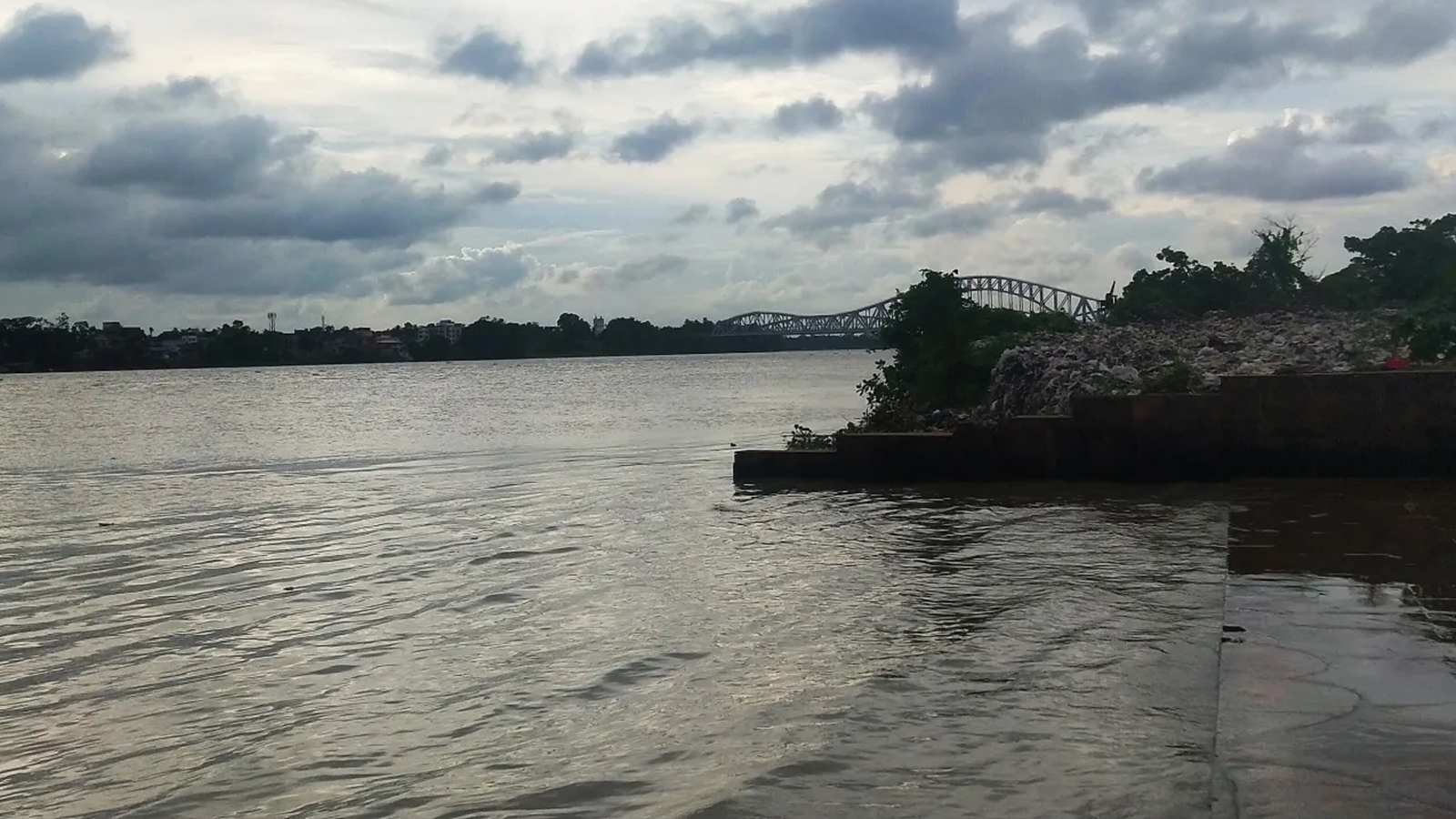
The conflict centers on the Farakka Barrage, constructed in 1975 to divert water into the Hooghly River to keep the Kolkata Port navigable. While the barrage served West Bengal's maritime needs, Bihar argues it has created a catastrophic "flood-and-parch" cycle. According to Bihar Deputy CM Vijay Kumar Choudhary, the state's interests have been systematically ignored, leading to ecological degradation and economic loss.
Why This Matters
BozokMedia analysis shows that this is not merely a water dispute but a clash between Strategic Diplomacy and Regional Survival. The Centre must balance its 'Neighborhood First' policy with Bangladesh against the domestic political stability of its coalition partner, the JD(U), in Bihar. Failure to address Bihar's concerns could lead to political instability within the NDA, while scrapping the treaty could strain ties with Dhaka.
Sanjay Kumar Jha, JD(U) national working president, highlighted that the treaty lacks a review mechanism for the last 30 years. He pointed out that as Bihar moves toward rapid industrialization, its water needs for 2050 must be prioritized over outdated 1996 baselines. The lack of a "minimum flow guarantee clause" has left Bihar vulnerable to erratic rainfall and reduced groundwater discharge.
The Farakka Barrage has fundamentally altered the hydrology of the region, turning a natural river system into a source of seasonal disaster for Bihar's agrarian heartland.
Historically, the Farakka Barrage was intended to flush out silt from the Hooghly. However, the accumulation of silt behind the barrage has raised the riverbed of the Ganges. This elevation means that during the monsoon, the river cannot hold its volume, forcing water into districts like Bhagalpur and Munger, resulting in devastating annual floods.
| Feature | 1977 Temporary Agreement | 1996 Ganges Treaty |
|---|---|---|
| Duration | Short-term/Stopgap | 30-Year Binding (1996-2026) |
| Flow Guarantee | Basic guidelines | No minimum flow guarantee clause |
| Primary Goal | Immediate water sharing | Predictable distribution framework |
The political dimension is further complicated by the Rashtriya Janata Dal (RJD), which has historically demanded the complete dismantling of the barrage. While the JD(U) and RJD now seem to align on the detriment of the treaty, the JD(U) has dismissed the RJD's claims as opportunistic, reminding the public that the RJD supported the government that signed the treaty in 1996.
Frequently Asked Questions
Q1: When does the Farakka Water Treaty expire?
The treaty is scheduled to expire in December 2026, after completing its 30-year term.
Q2: Why does Bihar want the barrage dismantled?
Bihar argues that the barrage causes heavy siltation, which raises the riverbed and triggers severe flooding in upstream districts during the monsoon.