Following a massive intelligence failure during the July 20 education reform protests, Delhi Police Commissioner Anurag Kumar has mandated a rigorous new 10-point intelligence gathering protocol to prevent future law-and-order lapses.
- Delhi Police Commissioner Anurag Kumar ordered a comprehensive revamp of the intelligence wing.
- The Special Branch must now collect 10 specific data points for every planned protest.
- A major focus has been placed on upgrading wireless communication systems to avoid coordination delays.
- The move follows a failure to anticipate 50,000 protesters during the July 20 education reform march.
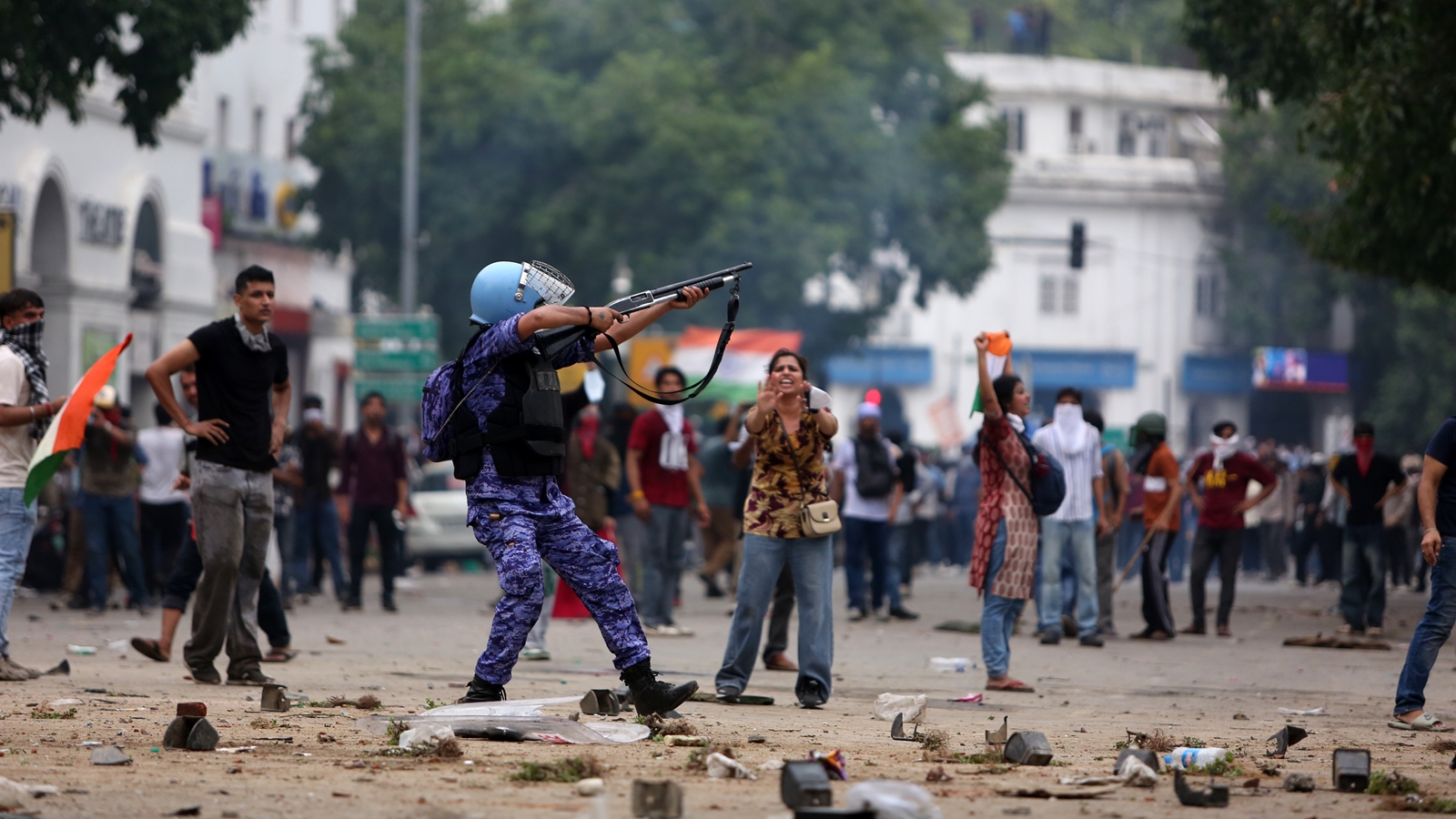
The Delhi Police administration is undergoing a significant strategic shift in its approach to crowd management and intelligence gathering. Following the chaotic events of July 20, where approximately 50,000 youth protesters converged on the heart of the national capital to demand education reforms, Commissioner Anurag Kumar has issued a stern directive to the force's intelligence wing to eliminate "information gaps."
The July protests saw the police caught completely off-guard, leading to violent clashes and the widespread use of teargas and lathis. The resulting public outcry and criticism of the police's heavy-handed yet unprepared response have prompted this systemic overhaul. The Special Branch, which is tasked with intelligence, has been told that basic details like venue and estimated turnout are no longer sufficient.
The 10-Point Intelligence Mandate
To ensure a more "comprehensive and actionable assessment," the Commissioner has mandated that the intelligence wing collect and analyze ten specific metrics for every planned protest. These include the detailed profiles of participants, state-wise participation data, and the specific modes of mobilization used to gather crowds.
| Previous Intel Focus | New Intelligence Mandate |
|---|---|
| Venue of the protest | Funding sources & Logistical arrangements |
| Estimated turnout | Names of leaders & Key functionaries |
| Basic event timing | Organizational affiliations & Local linkages |
Why This Matters
BozokMedia analysis shows that this shift indicates a transition from reactive policing to a more proactive, surveillance-heavy model. By tracking funding and logistical arrangements, the Delhi Police are attempting to map the entire ecosystem of dissent rather than just managing the physical crowd. This suggests a growing concern over the ability of "new-generation" protesters to mobilize rapidly via digital platforms, bypassing traditional police monitoring.
The shift toward granular intelligence gathering is a direct response to the volatility of modern urban protests where mobilization happens in real-time.
Beyond intelligence, the Commissioner has identified a critical failure in the wireless communication network. During the July unrest, delays in ground-level information reaching senior officers led to coordination breakdowns. Consequently, a comprehensive audit of all radio sets—from beat constables to top brass—is currently underway to ensure seamless command and control during major operations.
This revamp comes on the heels of reports that the police have also issued new "dos and don'ts" for handling modern protesters, specifically following the handling of the Cockroach Janta Party (CJP) protests. The force is now being trained to avoid escalating tensions with a demographic that views police reactions as "content" for social media amplification.
Frequently Asked Questions
Q1: Why was the intelligence revamp necessary?
It was necessary because the police failed to anticipate the scale of the July 20 protest, where 50,000 people marched, leading to violent clashes and poor coordination.
Q2: What is the Special Branch's new role?
The Special Branch must now move beyond basic estimates and provide verified, specific data on 10 key points, including funding and leader profiles, for every protest.