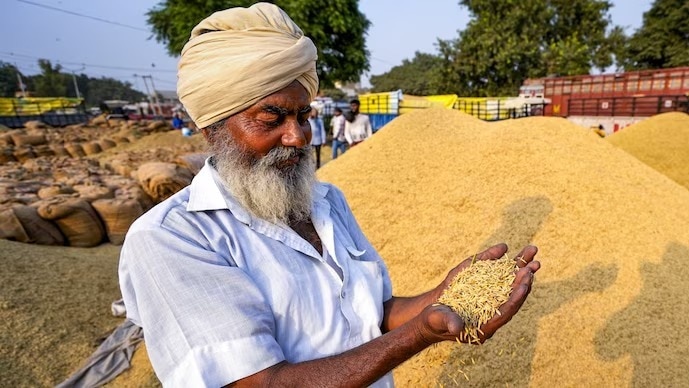
India’s ethanol‑blending push is under scrutiny for selling rice‑derived ethanol at heavily subsidised rates. This article unpacks who benefits, the fiscal impact and the food‑security trade‑off behind the policy.
- Government buys paddy at MSP, converts it to rice and sells it to distilleries at ~40% lower price
- Rapid achievement of the E20 target was funded by cheap credit and large subsidies
- Using food grains for fuel raises serious concerns for national food‑security reserves
Current State of the Ethanol‑Blending Programme
India has already met its 20% ethanol‑in‑petrol (E20) mandate by 2025, five years ahead of the original 2030 deadline. The acceleration was driven by easy‑credit facilities, massive plant roll‑outs and the availability of surplus rice from the National Food Security Programme (NFSP).
Under the scheme, paddy purchased at the Minimum Support Price (MSP) is milled into rice, which is then sold to ethanol distilleries at roughly 40% below market value. Taxpayers therefore fund both the MSP purchase and the subsequent subsidy to the distilleries, creating a double‑dip cost structure.
Historical Background
The push for bio‑ethanol began in the late 1990s, with the first mandatory blending of 10% ethanol (E10) introduced in 2018. By 2020 the government announced a shift to 20% blending, aiming to cut oil import bills and conserve foreign‑exchange reserves. Simultaneously, the Food Corporation of India (FCI) expanded its grain buffers, setting the stage for a policy clash between energy and food security.
Economic and Social Implications
Diverting rice to ethanol reduces the volume of food grains available for the Public Distribution System (PDS), which serves around 60‑65% of the population. Agricultural economist Prof. Sudhir Panwar of Lucknow University warned, “In a country where 800 million people rely on free ration, using grain for fuel is a massive sacrifice.” This sentiment echoes the concerns of Chief Economic Adviser V. Anant Nageshwaran, who urged a thorough cost‑benefit analysis of the “food‑vs‑fuel” trade‑off.
Why This Matters
BozokMedia analysis shows that the subsidy loophole not only inflates fiscal deficits but also creates a vulnerable link between food security and fuel policy. If the government continues to prioritize E20 without addressing the underlying trade‑off, future food price volatility could undermine both political stability and foreign‑exchange savings.
"Selling rice to ethanol plants at a loss is a risky move for long‑term food security," says agricultural economist Dr. Rajat Singh.
Frequently Asked Questions
Q1: Is the rapid achievement of the E20 target financially sensible?
A: While it offers short‑term foreign‑exchange savings, the long‑term food‑security costs and subsidy burden may outweigh the benefits.
Q2: How can the government rebalance the subsidy structure?
A: By narrowing the price gap between MSP‑purchased rice and distillery purchase rates, or by promoting alternative feedstocks such as sugarcane for ethanol.