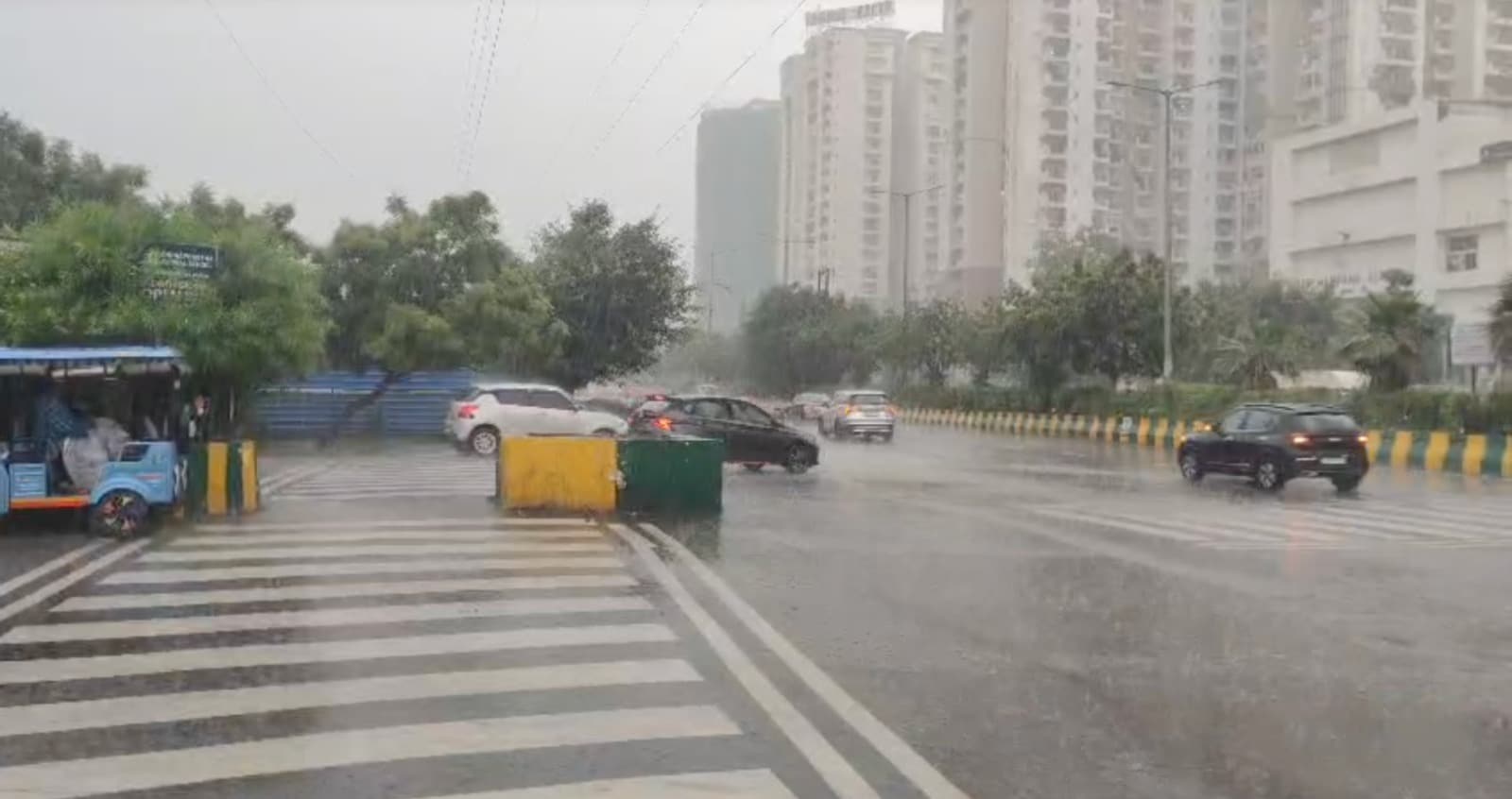
Intense rainfall has paralyzed parts of South Delhi and surrounding areas. The India Meteorological Department (IMD) has issued a red alert, warning of continued torrential showers throughout the day.
- Torrential rains reported across South Delhi and NCR regions.
- IMD issues a high-priority 'Red Alert' for specific districts.
- Severe waterlogging and traffic congestion reported across the city.
The national capital, Delhi, and its neighboring regions are currently grappling with intense monsoon activity. Heavy showers have been reported predominantly in South Delhi, leading to significant disruptions in daily commutes and widespread waterlogging on arterial roads.
The India Meteorological Department (IMD) has escalated the warning to a Red Alert for several districts. This highest level of warning indicates that extremely heavy rainfall is expected to persist throughout the day, potentially leading to flash floods in low-lying areas.
Why This Matters
BozokMedia analysis shows that Delhi's urban infrastructure consistently struggles to cope with high-intensity rainfall events. The issuance of a Red Alert signifies a critical window where civic authorities must activate emergency response protocols to prevent loss of life and property due to urban flooding.
"The current precipitation patterns suggest an increase in extreme weather events, necessitating a complete overhaul of the city's stormwater drainage systems."
Historically, Delhi experiences seasonal monsoons, but the recent trend of 'cloudburst-like' intensity in short durations reflects a broader global shift in climate patterns. This puts immense pressure on the city's aging sewage and drainage networks.
Frequently Asked Questions
Q1: What does the IMD Red Alert signify?
A: A Red Alert is the highest warning level, indicating that extreme weather is expected and residents should take immediate precautions and avoid non-essential travel.
Q2: Which areas are most affected?
A: South Delhi and several districts within the National Capital Region (NCR) have reported the most intense rainfall.