The Indian government has defended its decision to avoid a full press conference during PM Modi's meeting with Donald Trump, citing the US President's unpredictable behavior. The clarification follows surprising revelations by US Ambassador Sergio Gor.
- India requested 'no questions' during the Modi-Trump meeting in France to avoid unpredictability.
- US Ambassador Sergio Gor revealed that Trump disregarded India's request, leading to a 45-minute Q&A.
- The Indian government maintains that such cautious diplomatic protocols are standard for VVIP visits.
- Opposition leaders have criticized the move, claiming it diminishes the office of the Prime Minister.
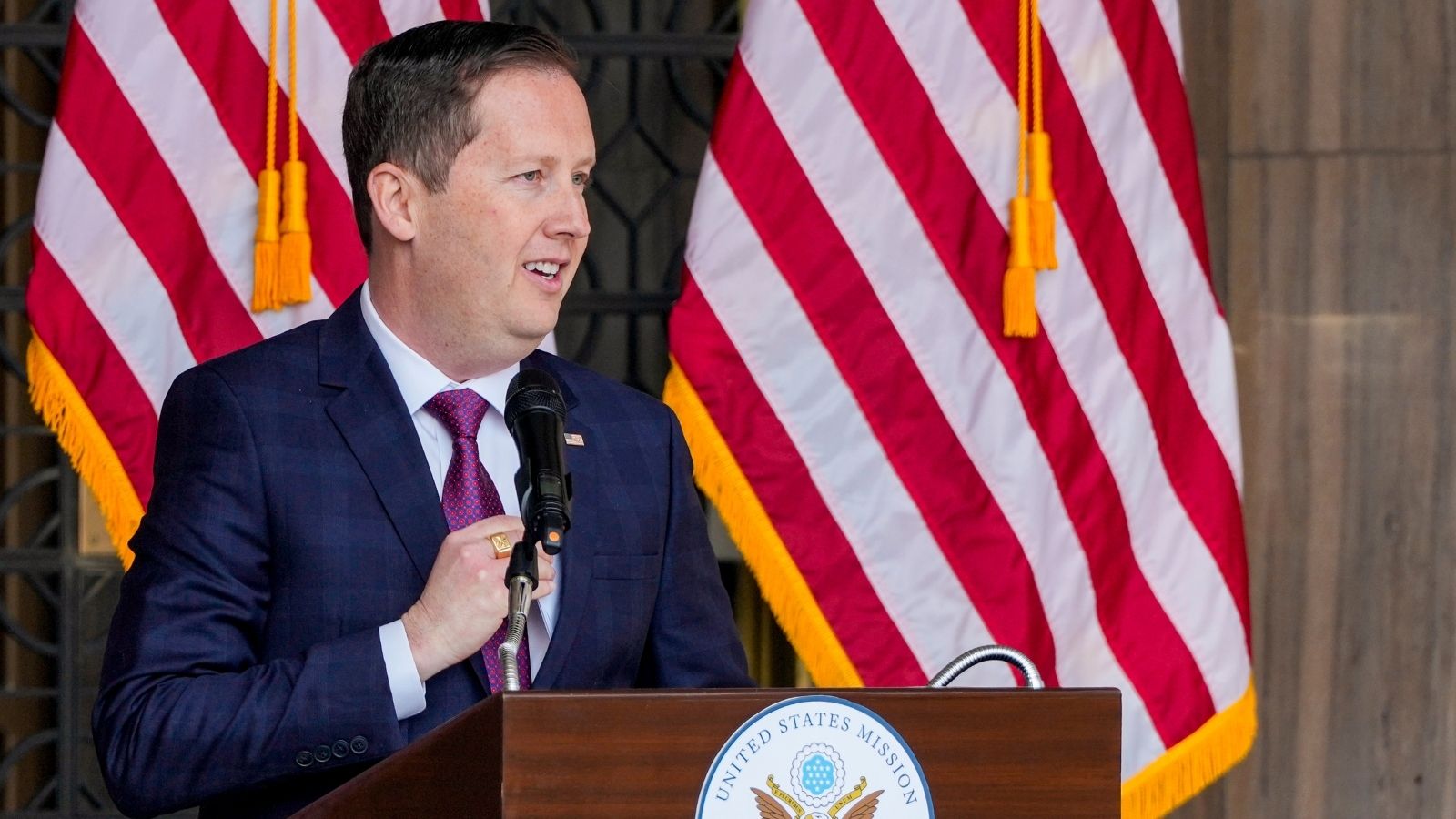
The Indian government has officially addressed the controversy surrounding public remarks made by US Ambassador Sergio Gor regarding the diplomatic protocols observed during Prime Minister Narendra Modi's meeting with US President Donald Trump in France this past June. Government sources stated that India adopted a "cautious approach" specifically because of Trump's well-documented history of unpredictable behavior when interacting with foreign dignitaries.
The friction began when Ambassador Gor shared an anecdote at the Economic Times World Leaders Forum, revealing that the Ministry of External Affairs (MEA) had specifically requested that the US administration avoid a full press conference with open questions. According to Gor, while Trump initially agreed, he immediately pivoted upon the cameras' arrival, inviting the media to ask questions and engaging in a 45-minute session that put "everything on the table."
Why This Matters
BozokMedia analysis shows that this incident highlights a delicate balancing act in Indo-US relations. While the personal chemistry between Modi and Trump is often touted as a pillar of bilateral strength, the underlying diplomatic machinery remains wary of Trump's tendency to deviate from scripted narratives. This tension suggests that India's strategic autonomy is often managed through rigid protocol to prevent spontaneous diplomatic gaffes.
To justify the move, government sources pointed to Trump's previous interactions with other world leaders. They cited a heated argument between Trump, JD Vance, and Ukrainian President Volodymyr Zelenskyy in February last year, as well as Trump's aggressive questioning of South African President Cyril Ramaphosa regarding land reforms and white farmers. These precedents, the government argues, make a cautious approach a logical necessity rather than a sign of weakness.
"Diplomacy with unpredictable leaders requires a shift from traditional openness to strategic containment to protect national interests."
The situation has sparked a political firestorm within India. Congress leader Pawan Khera took to X (formerly Twitter) to argue that the Prime Minister is "compromised" and that pleading with foreign governments to avoid the media diminishes the prestige of the Prime Minister's Office. This critique emphasizes a growing divide in how India's global image is perceived domestically.
Historically, PM Modi has shifted away from traditional joint press conferences, with the MEA rebranding these events as "media appearances" or "statements." This shift has occasionally drawn criticism from Western journalists, who view the lack of open Q&A sessions as a move toward less transparency in high-level diplomatic engagements.
Frequently Asked Questions
Q1: Why did India request 'no questions' during the press interaction?
India aimed to avoid the unpredictability associated with Donald Trump's spontaneous public remarks, which could potentially lead to diplomatic misunderstandings.
Q2: How did Donald Trump respond to the request?
Despite an initial agreement, Trump disregarded the request and conducted a full 45-minute press conference with open questions from the media.