Reservation‑reform influencer Ajeet Bharti has been booked under the SC/ST (Prevention of Atrocities) Act following a complaint over his comments on MP Chandrashekhar Azad. Bharti calls the FIR pressure‑driven and says it won’t survive two minutes in court.
- Ajeet Bharti booked under SC/ST Act FIR
- He labels the FIR as pressure‑driven and unlikely to hold in court
- Context of reservation‑reform protests and political fallout
Incident Overview
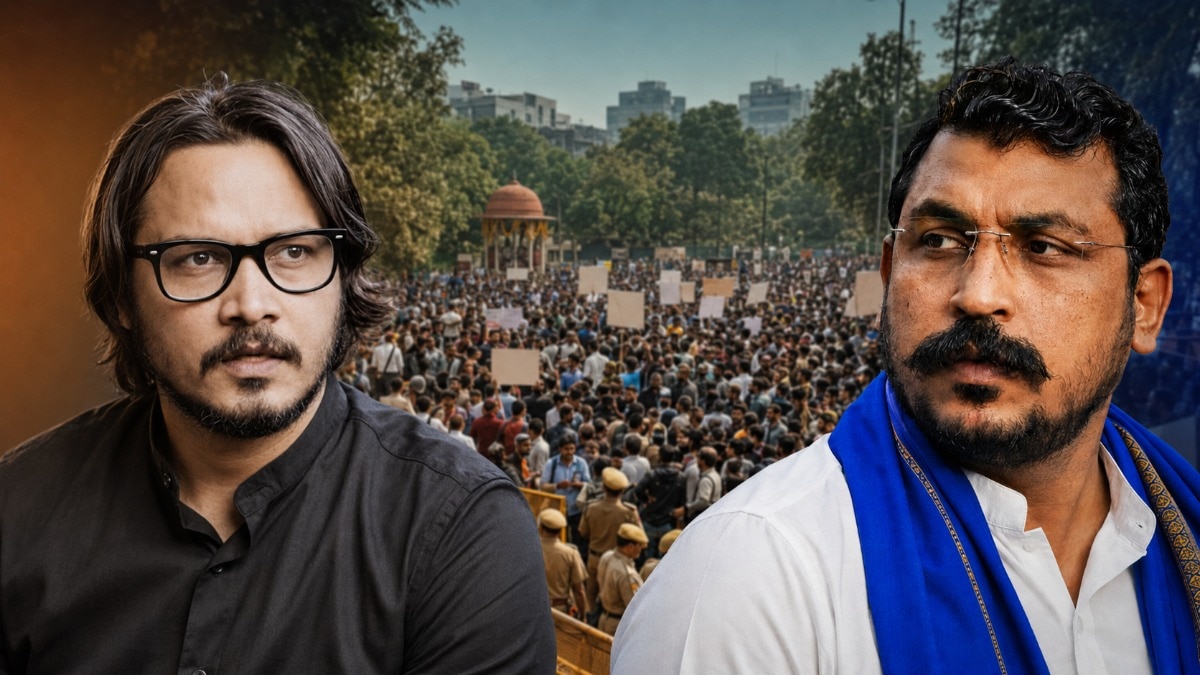
Digital activist Ajeet Bharti, known for championing reservation reform, was charged by Delhi Police on August 22 after a clip from his YouTube broadcast was deemed caste‑ist and abusive towards Nagina MP Chandrashekhar Azad. The FIR was filed at North Avenue police station following a complaint by the Delhi unit president of the Azad Samaj Party (Kanshi Ram).
Bharti’s Response
Bharti dismissed the FIR as “pressure‑driven,” insisting that the case “won’t survive two minutes in court.” While pledging cooperation with investigators, he argued that his remarks were a reaction to a vulgar comment targeting his sister and mother.
Background of the Reservation Reform Movement
On August 21, Bharti addressed a large gathering at New Delhi’s Jantar Mantar, organized by the Reservation Reform Andolan led by NEET aspirant Harsh Dubey. Protesters demanded an economic‑based reassessment of quotas, sub‑categorisation, and a creamy‑layer principle, arguing that the current caste‑based framework is outdated.
Political Reactions
Chandrashekhar Azad, founder of the Azad Samaj Party (Kanshi Ram), has consistently criticised the quota‑reform agenda, labeling it as an attack on Dalit representation. Union Minister Chirag Paswan also weighed in, stating, “Reservation isn’t charity.”
Why This Matters
BozokMedia analysis shows that the FIR against a high‑profile digital influencer underscores the increasing legal scrutiny of online speech in India, especially when it intersects with caste‑based politics and reservation debates.
“Cases like this illustrate how digital expression is now being tightly regulated, potentially reshaping public debate on sensitive social issues,” says legal scholar Prof. Ritu Sharma.
Frequently Asked Questions
Q1: Did Ajeet Bharti actually use a caste‑based slur against Chandrashekhar Azad?
A1: Bharti claims he did not, but the FIR alleges that his language was abusive and caste‑ist.
Q2: How could this FIR affect the broader reservation‑reform movement?
A2: The legal action may deter other influencers, while also providing opponents of the reform a rallying point, intensifying the political debate.