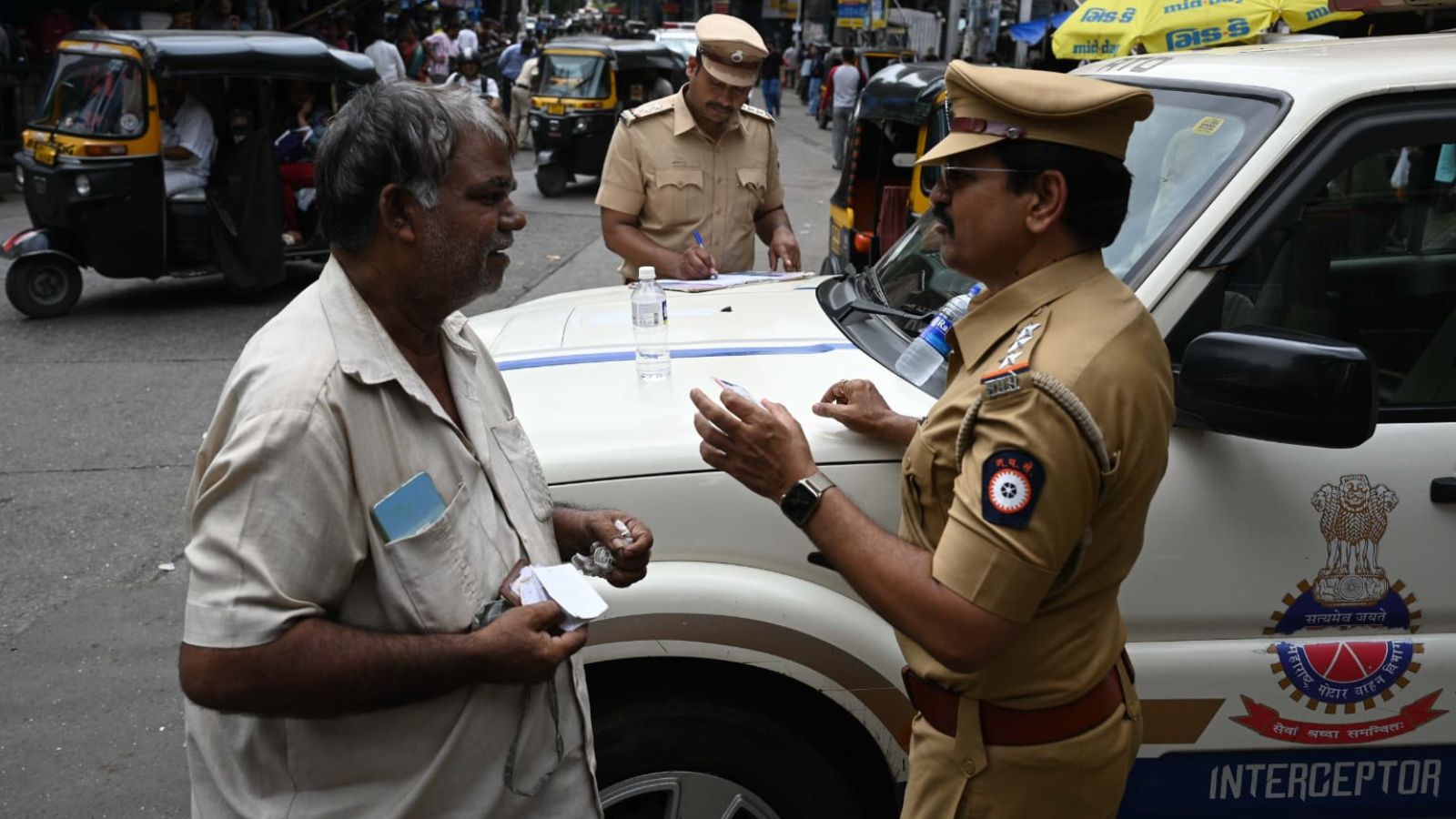
On the fourth day of Maharashtra’s Marathi‑language crackdown, RTO officials in Ghatkopar tested auto and taxi drivers, issuing notices even to those who had completed government‑run language classes. While many struggled with basic conversation, protests erupted in Kandivali over perceived harassment and hefty fines.
- RTO issued notices even to drivers who attended the 105‑day language classes.
- Many migrant auto‑taxi drivers still cannot hold a basic Marathi conversation.
- Protestors blocked Kandivali Link Road to demand relief from fines.
On the fourth day of Maharashtra’s strict Marathi‑language enforcement drive, officials from the Wadala Regional Transport Office (RTO) in Ghatkopar stopped drivers and tested their proficiency on the spot.
While most drivers cleared the basic vocabulary test, a number of them – despite having attended the government‑run classes – stumbled over simple responses. Uttar Pradesh‑origin auto‑driver Mritunjay Singh produced a training certificate but explained that tonal differences and dialect nuances prevented him from speaking fluently.
RTO Motor Vehicle Inspector Rahul Pawar said many drivers understand Marathi but are hesitant to speak it, urging them to acquire at least conversational skills to interact with passengers.
On Day 1, 1,268 notices were issued; on Day 2, the number rose to 1,499. Drivers who fail to demonstrate basic Marathi have been given one month to learn the language before a second oral test at the nearest RTO.
Today, a group of migrant drivers gathered on Kandivali Link Road near Laljipada, blocking traffic to protest what they call harassment and steep penalties imposed since the rule took effect.
The crackdown has forced several drivers to alter their routes to avoid inspection teams, and many claim the test went far beyond the 16 phrases taught in the official program.
Historical Background
The mandate to prioritize Marathi in public services was introduced in 2019 to improve communication with local citizens. However, the policy has created linguistic barriers for migrant workers, especially auto‑rickshaw drivers who rely on daily cash earnings.
Why This Matters
BozokMedia analysis shows that language‑based enforcement in the transport sector could reshape urban mobility, impact livelihoods, and set a precedent for similar regulations nationwide.
"Policymakers must balance linguistic integration with economic security, or risk destabilising a vital workforce."
Frequently Asked Questions
Q1: Are there free online resources for drivers to learn Marathi?
A: The government has partnered with a few NGOs to offer complimentary classes, but coverage remains limited.
Q2: What happens if a driver fails to learn Marathi within the allotted month?
A: They risk license suspension, hefty fines, or even being barred from operating.


:max_bytes(150000):strip_icc():focal(749x0:751x2)/rosanna-scotto-2-090126-8fdef21c357248f9833f8a967895e8b0.jpg)