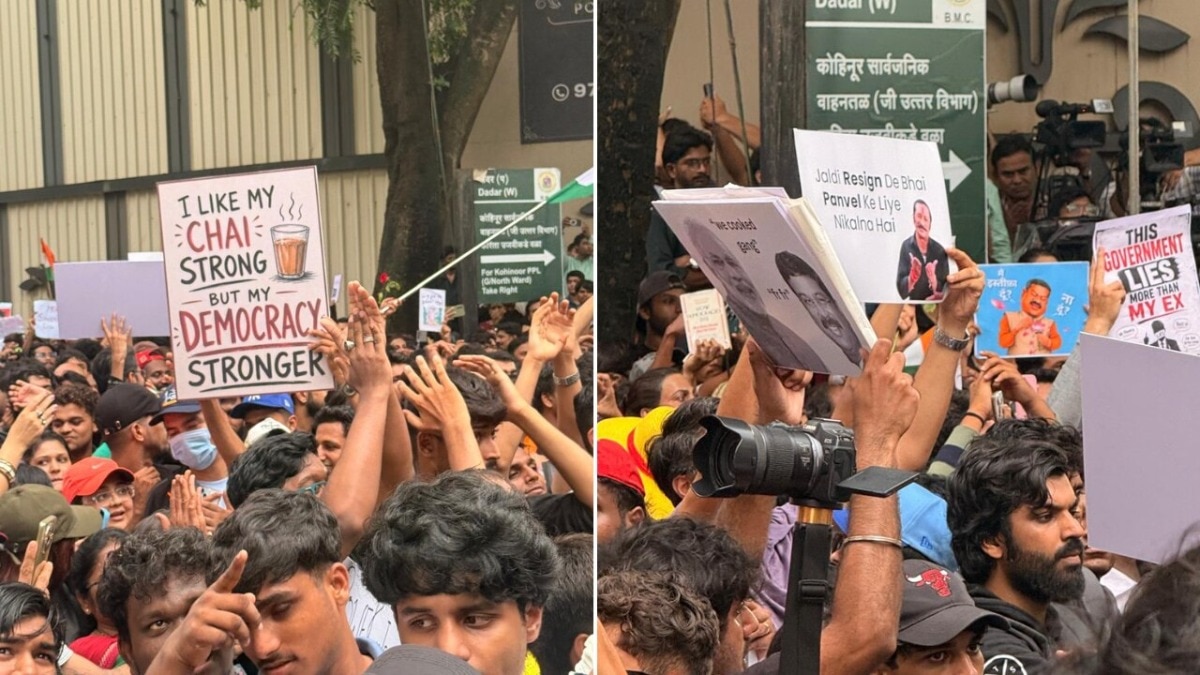
The Supreme Court has directed its high-powered enquiry committee to prioritize complaints of sexual assault faced by women during the NEET protests, demanding an immediate interim report.
- SC panel must prioritize sexual assault complaints from women protesters.
- An immediate interim report has been sought by the Court.
- The committee is investigating both police excesses and violence against security personnel.
New Delhi: In a significant move to ensure justice for women, the Supreme Court of India on Monday directed the High-Powered Enquiry Committee to treat complaints of sexual assault by women protesters with the highest priority. The bench, led by Chief Justice Surya Kant, has called for an immediate interim report regarding the alleged misconduct during the NEET protests.
The directive follows intense arguments by senior advocate Shobha Gupta, who urged the court to take suo motu cognizance of allegations involving molestation and sexual assault during the demonstrations at Jantar Mantar on July 20. Gupta highlighted disturbing reports circulating on social media, alleging extreme police brutality against female students.
Why This Matters
BozokMedia analysis shows that this judicial intervention is crucial for maintaining the integrity of democratic protests. By prioritizing gender-based violence, the Supreme Court is sending a clear signal that while the right to protest is fundamental, the dignity and physical safety of women must remain sacrosanct and protected from state excesses.
The court's mandate to prioritize sexual assault cases ensures that the most vulnerable victims of protest-related violence are not lost in the broader investigation of police conduct.
The bench, which included Justices Joymalya Bagchi and V. Mohanan, noted that the issue is already under the scrutiny of the five-member committee. Advocate Gupta further proposed the creation of a dedicated mechanism, such as a designated district judge or a specific email ID, to allow victims to report assaults directly and securely.
Historical Background
The protests, which began in June, were sparked by alleged irregularities in competitive examinations, specifically NEET. The agitation saw widespread student mobilization across various cities, culminating in clashes at Jantar Mantar. While the resignation of the then Union Education Minister Dharmendra Pradhan brought an end to the primary agitation, the legal fallout regarding police conduct continues to unfold.
Frequently Asked Questions
1. Who is heading the high-powered enquiry committee?
The committee is headed by former Supreme Court judge Justice R. Subhash Reddy.
2. What is the scope of the committee's investigation?
The committee is tasked with examining both the excessive use of force by police and the violence allegedly committed by protesters against security personnel.