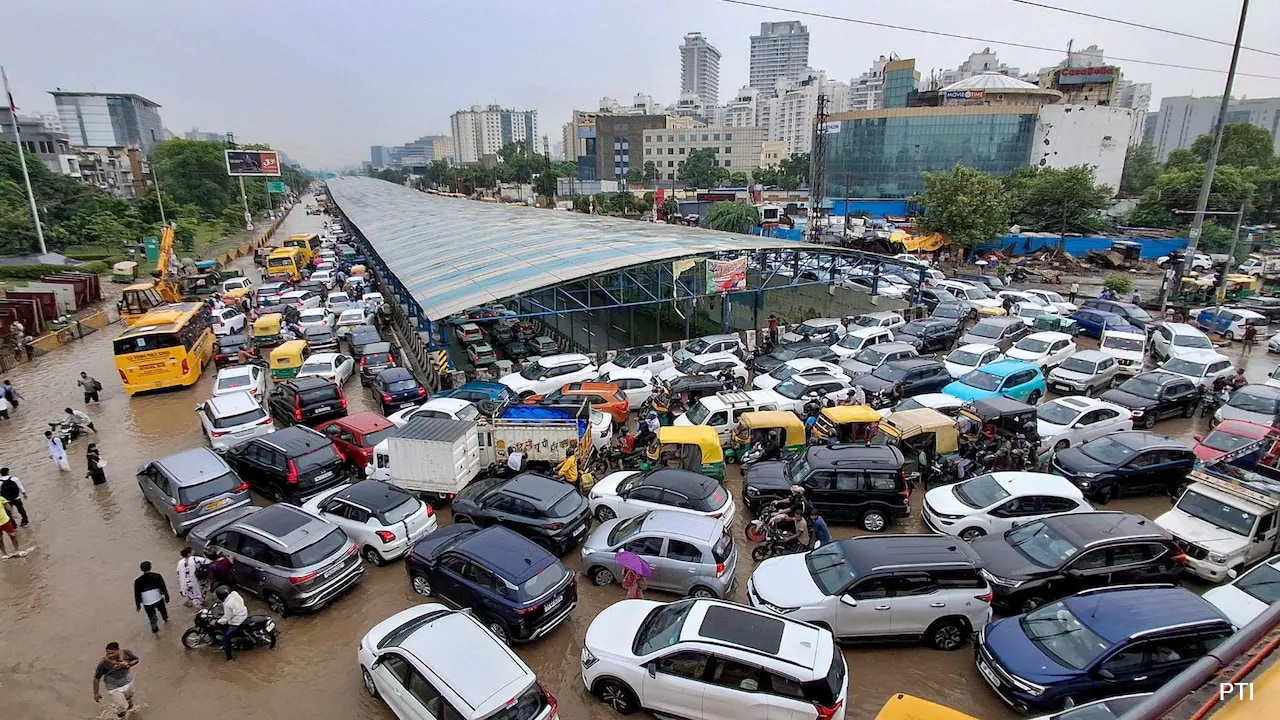
A single hour of continuous rain in Gurugram exposed severe weaknesses in the city's drainage and road networks, leaving vehicles stranded and traffic snarled. Residents voiced frustration as the recurring failure of civic infrastructure hampers daily life and economic activity.
- One hour of rain completely overwhelmed the drainage system
- Stalled vehicles caused massive traffic jams and economic loss
- Municipal preparedness and planning are under intense scrutiny
Gurugram, often dubbed the "Millennium City," witnessed a dramatic breakdown of its civic services during a brief but heavy rainstorm. Within just sixty minutes, water accumulated on major thoroughfares, trapping hundreds of vehicles and creating gridlock that stretched for kilometres.
Residents took to social media to highlight that this is not an isolated incident. Similar flooding episodes have been recorded in recent years, but the latest event demonstrated a higher intensity and broader impact on commuters and businesses alike.
Located in Haryana, the city is a hub for multinational tech firms and upscale residential complexes. The sudden inundation disrupted not only daily commutes but also corporate operations, as many employees were unable to reach their offices.
According to the municipal water management department, the existing drainage infrastructure is under constant strain from rapid urban expansion and inconsistent planning. Engineers warn that aging culverts have not received adequate maintenance, and new infrastructure projects lack sufficient funding.
Why This Matters
BozokMedia analysis shows that recurring infrastructure failures in rapidly growing Indian metros like Gurugram can deter foreign investment, increase insurance premiums, and amplify public distrust in municipal governance.
"If drainage upgrades are not prioritized, the next heavy downpour could cost the city millions in damages," says hydrology expert Dr. Ajay Singh.
Frequently Asked Questions
Question 1: Is there a concrete plan to prevent future floods in Gurugram?
Answer: The city has recently allocated budget for modernizing its drainage network, but implementation delays remain a major hurdle.
Question 2: How did the flood affect everyday life?
Answer: Schools, hospitals, and offices were temporarily closed, and emergency services faced operational challenges.