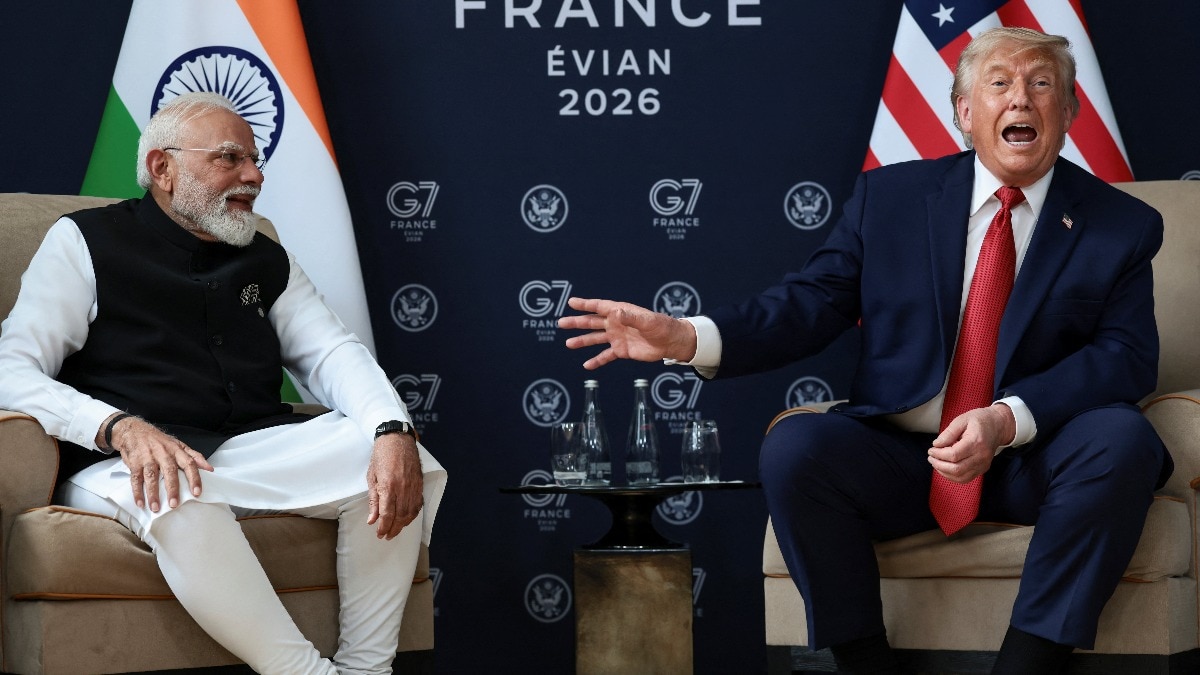
New Delhi exercised caution during Prime Minister Narendra Modi's June meeting with U.S. President Donald Trump in France, opting to sidestep a joint press conference because of concerns over Trump's erratic conduct.
- India refused a joint press conference citing Trump’s unpredictable behaviour.
- Diplomatic sources say New Delhi requested the U.S. side to limit media questions.
- The move signals a careful balancing act in Indo‑U.S. relations amid trade tensions.
Background
On June 17, 2026, amid the G7 summit in Evian‑les‑Bains, France, Indian Prime Minister Narendra Modi met U.S. President Donald Trump. Both governments were eager to mend ties after months of tariff disputes and an unresolved bilateral trade agreement.
What Happened
According to India Today and PTI, Indian officials instructed the U.S. delegation, through Ambassador Sergio Gor, that the leaders should not take a full‑scale press Q&A after their joint remarks. Gor recalled that Trump initially agreed, but once the two leaders finished speaking, he invited journalists to ask questions, turning the brief interaction into a 45‑minute press conference.
Sources said the request was part of routine diplomatic protocol for VVIP visits, but it also reflected heightened wariness of Trump’s “unpredictable behaviour” after his recent exchanges with the presidents of South Africa and Ukraine.
Strait of Hormuz Concerns
The meeting also touched on security in the Strait of Hormuz, where three Indian seafarers were killed in a U.S. Navy‑linked incident. While Trump downplayed the risks, calling the profession “rough,” Modi pressed for stronger protection of Indian vessels navigating the conflict‑prone waterway.
Why This Matters
BozokMedia analysis shows that India's decision to limit press interaction reflects a broader trend of major democracies managing unpredictable leaders to safeguard diplomatic narratives. By steering the media agenda, New Delhi aims to prevent potential diplomatic fallout that could arise from off‑the‑record remarks, especially at a time when Indo‑U.S. trade talks remain stalled.
"Managing media exposure to unpredictable leaders has become a strategic necessity in today’s diplomatic landscape," says International Relations professor Dr. Anita Short.
Frequently Asked Questions
Q1: Did India officially explain why it avoided a joint press conference?
A: Yes, officials described it as a standard diplomatic precaution due to Trump’s unpredictable behaviour.
Q2: How might this affect the pending India‑U.S. trade negotiations?
A: While the meeting kept diplomatic channels open, the trade agreement remains unresolved and could face further delays.