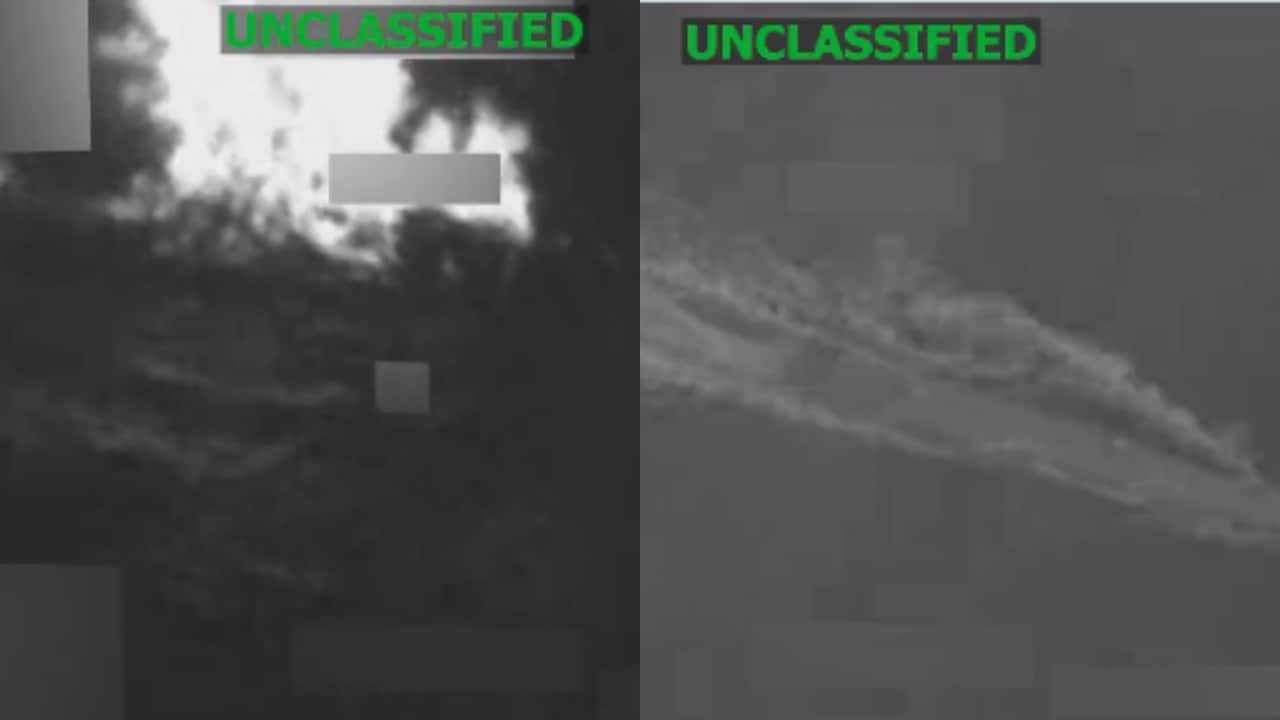
The US Southern Command confirmed on Monday that a boat suspected of drug trafficking was hit in the Eastern Pacific, resulting in two deaths. The strike adds to more than 60 attacks launched under the Trump administration, pushing the total death toll past 210.
- US Southern Command officially confirmed the strike.
- Over 60 boat strikes have been carried out since the Trump era.
- Total fatalities from the campaign now exceed 210.
Early Monday, the United States launched a precision strike on a small vessel in the Eastern Pacific, accusing it of transporting cocaine and other narcotics from Latin America to the United States. The US Southern Command announced the operation on its official social‑media channels, stating that the target was identified through intelligence as a high‑risk drug‑smuggling boat.
This attack is part of a broader maritime anti‑drug campaign that began under the Trump administration in 2017. Since then, more than 60 boats along the Caribbean coast and the Eastern Pacific have been bombed in an effort to choke the flow of illicit substances and bolster regional security.
The strike resulted in the deaths of two crew members, while surviving passengers were rescued by nearby maritime patrol units. US officials emphasized that the operation was conducted under lawful authority in international waters, citing clear evidence of drug‑trafficking activity.
International reaction has been mixed. Several Latin American governments have praised the decisive action as necessary for curbing a dangerous trade, whereas human‑rights organizations have warned about the potential for civilian casualties and infringements on national sovereignty.
From a legal standpoint, the United States relies on provisions of the United Nations Convention on the Law of the Sea (UNCLOS) that permit interdiction of vessels engaged in illicit drug transport. Nonetheless, the use of lethal force against suspected smugglers remains a contentious issue, especially when non‑combatants are involved.
Historical Background
The US launched its "War on Drugs" in the 1980s, targeting the surge of coca cultivation and cocaine trafficking from South America. Over the decades, maritime surveillance capabilities have evolved from basic patrols to sophisticated drones and precision‑guided munitions, dramatically increasing interception rates. While early efforts captured only a fraction of shipments, modern operations now disrupt more than 30% of maritime drug routes.
Why This Matters
BozokMedia analysis shows that the escalating US strikes signal a shift toward more aggressive maritime interdiction, potentially reshaping drug trafficking routes across the Pacific and prompting neighboring nations to reconsider their own naval postures.
"Targeted strikes can be effective deterrents, but they create a delicate balance between security objectives and civilian safety," says international law expert Dr. Emily Carter.
Frequently Asked Questions
Q1: Was the strike legal under international law?
A: Most scholars agree that if there is credible evidence of drug trafficking, such actions can be justified under UNCLOS, though civilian casualties raise complex legal challenges.
Q2: How might this affect future drug‑smuggling routes?
A: Successes may encourage the US to intensify its maritime policy, prompting traffickers to adopt new routes or tactics, and could lead allied nations to adopt similar interdiction strategies.