Delhi's Jal Board has rolled out the 2026 Reclaimed Water Policy, making treated wastewater mandatory for construction, horticulture, and landscaping, aiming to cut freshwater demand and boost sustainability.
- Delhi treats 750 MGD of sewage daily, 483 MGD reusable
- From 2026, construction sites must use reclaimed water
- Goal: 100% non‑potable demand met with reclaimed water by 2036
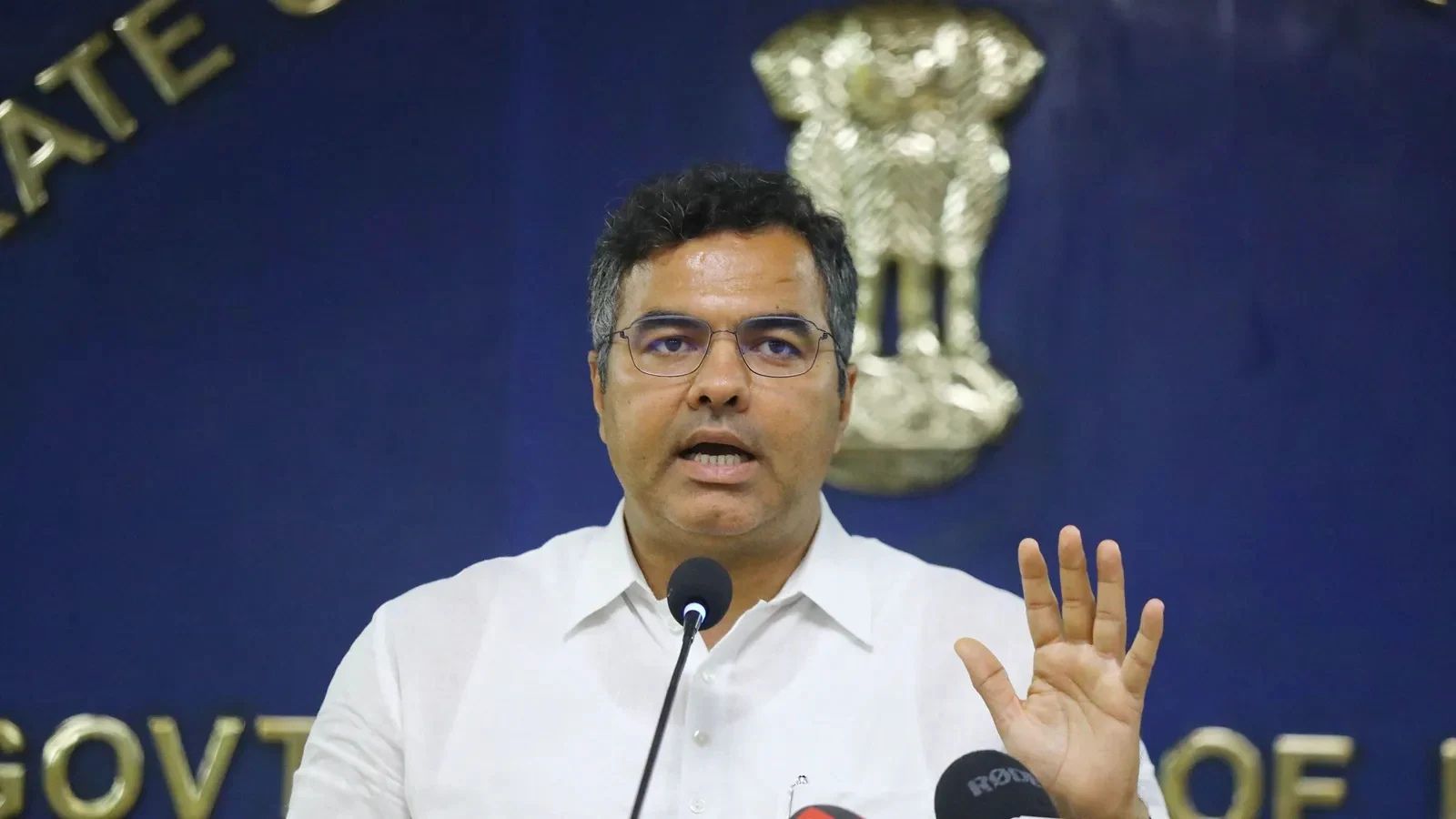
The Delhi Jal Board (DJB) approved the Reclaimed Water Policy, 2026, requiring treated wastewater for construction, horticulture, and landscaping across the capital. Water Minister Parvesh Sahib Singh announced that Delhi processes about 750 million gallons (MGD) of sewage each day, with roughly 483 MGD technically available for reuse, yet only 120 MGD is currently utilized.
Historical Background
Delhi’s rapid population growth over the past two decades has strained its potable water supplies. Early water‑reuse initiatives launched in 2010 achieved limited uptake. The 2026 policy marks a comprehensive shift, treating wastewater as a valuable resource for dust suppression, curing, washing, road watering, and non‑potable industrial cooling.
Why This Matters
BozokMedia analysis shows that Delhi’s shift to reclaimed water could reduce groundwater extraction by up to 30% by 2036, setting a benchmark for other Indian metros grappling with water scarcity.
“Treating wastewater as a resource rather than a waste stream is the cornerstone of sustainable urban development,” says Dr. Meera Joshi, Water Resources Expert.
Under the policy, treated water will be priced at ₹8 per kiloliter at designated STP filling points, while users who provide their own conveyance infrastructure will pay ₹5 per kiloliter for general non‑potable uses. Treatment charges will rise 5% annually, effective from 1 April 2027.
Construction sites of 500 sq m or larger in notified zones must use reclaimed water for dust suppression, curing, washing, and road watering. Large‑scale consumers will follow a phased substitution pathway, aiming for 100% reclaimed‑water use for eligible non‑potable needs by 2036.
For farmhouses, water lines will be installed and charged at ₹10,000 per acre per month, plus a one‑time infrastructure fee of ₹1 lakh per acre where needed. Applications will be considered for holdings of 100 acres or more.
Frequently Asked Questions
Will all construction firms have to switch to treated water immediately?
Yes, any construction site larger than 500 sq m must adopt reclaimed water once the policy is enforced.
Is this policy limited to construction only?
While the initial focus is on construction, horticulture, and industrial uses, the framework could later expand to residential applications.