Following heavy rainfall and widespread flooding, Delhi CM Rekha Gupta announced a massive ₹56,000-crore Drainage Master Plan to overhaul the city's aging 50-year-old infrastructure with central assistance.
- Delhi is implementing a ₹56,000-crore Drainage Master Plan.
- The city's current drainage network is over 50 years old.
- Work is underway at 60 out of 169 identified waterlogging hotspots.
- The plan integrates smart metering and real-time monitoring for better services.
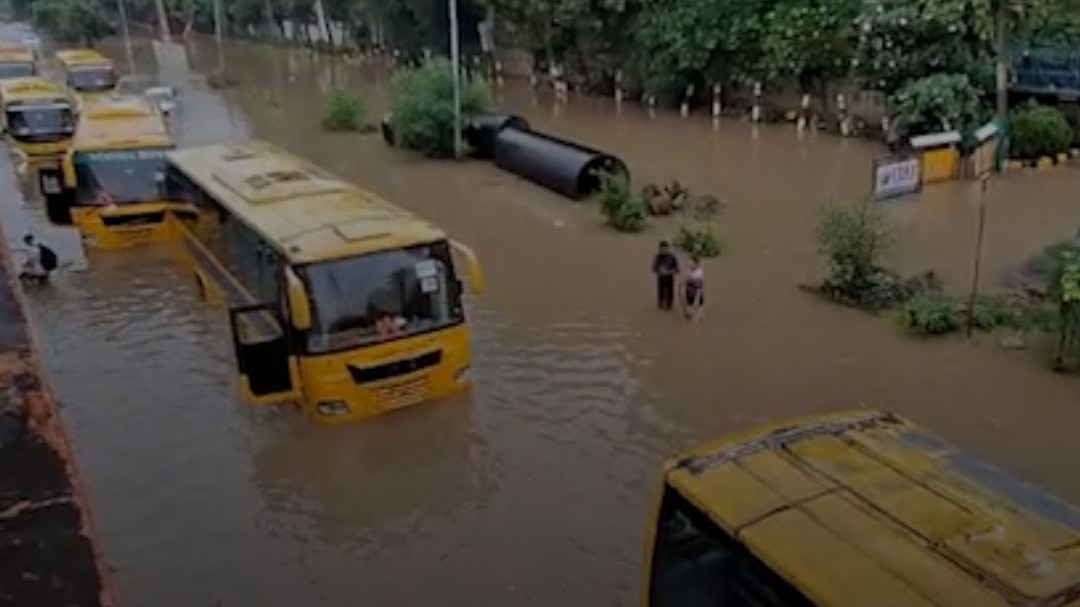
In the wake of severe waterlogging caused by recent heavy rains across the national capital, Delhi Chief Minister Rekha Gupta has outlined a strategic roadmap to address the city's 'legacy issues.' Speaking on Tuesday, the CM emphasized that the government is working in close coordination with the Centre to implement long-term structural solutions rather than temporary fixes.
The Chief Minister highlighted a critical vulnerability: Delhi's drainage network is over five decades old. This aging infrastructure is struggling to cope with the increasing population density and the intensified rainfall patterns seen in recent years. "Over the past one-and-a-half years, the government has studied Delhi’s long-standing problems and begun working on long-term solutions," Gupta stated.
A ₹56,000-Crore Modernization Drive
To tackle these systemic failures, the Delhi government has rolled out a comprehensive ₹56,000-crore Drainage Master Plan. This ambitious project aims to modernize water supply, sewerage, and drainage systems through cutting-edge technology, including smart metering and real-time monitoring systems. The goal is to ensure reliable and accountable services for all residents.
Upgrading a 50-year-old urban drainage system requires not just capital, but a massive technological overhaul to meet modern demands.
Providing further technical context, PWD Minister Parvesh Sahib Singh noted that while waterlogging remains a challenge, the frequency and intensity of incidents have decreased compared to previous years. He revealed that the traffic police had identified 169 critical waterlogging hotspots in 2025, and active remediation work is currently progressing at 60 of these locations.
Why This Matters
BozokMedia analysis shows that the recurring issue of urban flooding in Delhi is a direct consequence of rapid urbanization outpacing infrastructure development. The shift from temporary drainage clearing to a massive capital-intensive master plan indicates a recognition that Delhi's survival as a functional megacity depends on its ability to manage water effectively during extreme weather events.
Minister Singh also provided a technical distinction regarding water accumulation, stating that if water clears within 30 minutes, it is not classified as waterlogging. The official definition used by the department refers to water that remains stagnant for one to two hours. He reassured citizens that the construction of large-scale drains under the Master Plan will eventually mitigate large-scale flooding.
Frequently Asked Questions
1. What is the main goal of the new Drainage Master Plan?
The goal is to replace the 50-year-old drainage network with modern infrastructure using smart technology and real-time monitoring.
2. How many waterlogging spots are being addressed?
Out of 169 identified spots, work is currently being carried out at 60 locations.