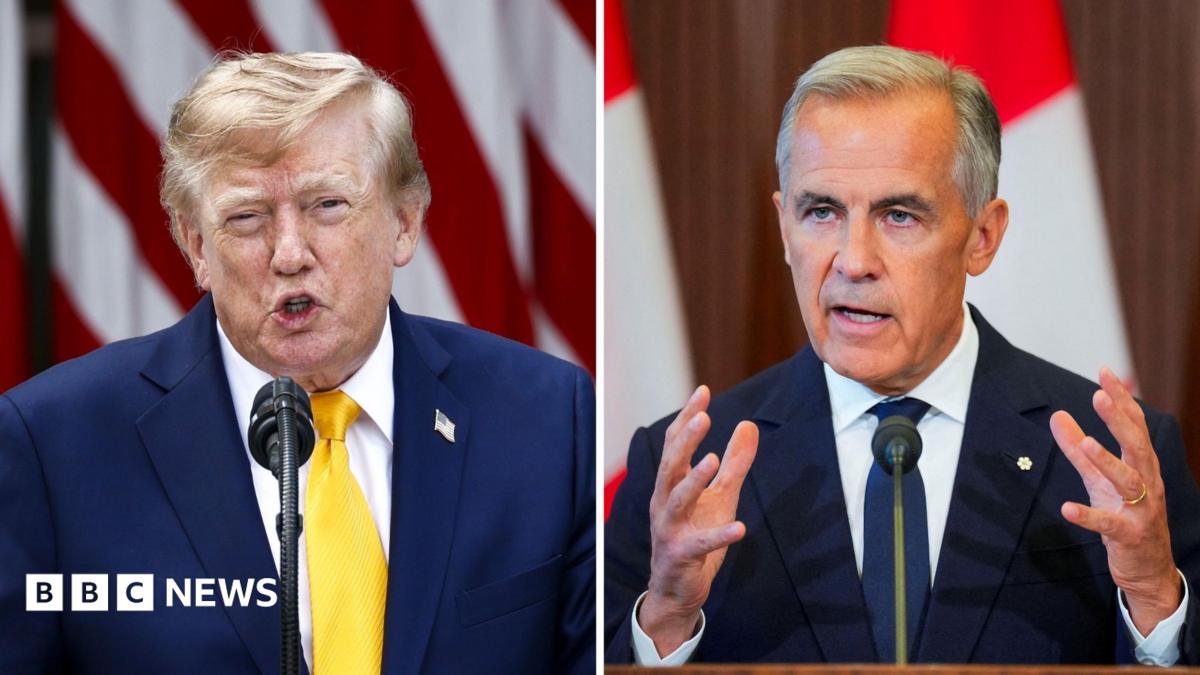
With roughly 70% of its exports bound for the United States, Canada holds several strategic tools in the escalating trade dispute. From steel and dairy to energy and critical minerals, Ottawa is mapping out retaliatory moves that could reverberate across the North American market.
- Canada supplies about 70% of US imports of key goods.
- Ottawa plans dollar‑for‑dollar tariffs on steel, dairy, electronics, and more.
- Energy and critical minerals provide a potent, yet politically sensitive, leverage point.
Canada and its southern neighbor, the United States, are locked in a spiraling trade dispute that could reshape North American commerce. Prime Minister Mark Carney has outlined a suite of "dollar‑for‑dollar" counter‑tariffs targeting steel, dairy, appliances, agricultural equipment, electronics, pulp, and paper, while Ontario Premier Doug Ford has openly threatened a 25% surcharge on electricity exports to the U.S.
Historical Background
Earlier this year, a coalition of Canadian provinces banned US‑origin alcohol in response to Washington’s first wave of tariffs. The move slashed American wine exports to Canada by 78% year‑over‑year, a loss valued at C$357 million, and cut US spirit shipments by more than 70%. The boycott remains in effect across 11 of 13 provinces, underscoring Canada’s willingness to wield non‑tariff measures.
Why This Matters
BozokMedia analysis shows that Canada's leverage stems not only from its massive trade surplus with the U.S. but also from its dominant role in energy supplies and critical minerals, making any escalation a potential risk to the global supply chain.
"Canada's energy exports are a silent yet potent bargaining chip in any US‑Canada trade dispute," says Dr. Emily Chen, senior fellow at the Brookings Institution.
Frequently Asked Questions
- Which sectors could Canada target in retaliation?
- How might a Canadian energy surcharge affect US consumers?