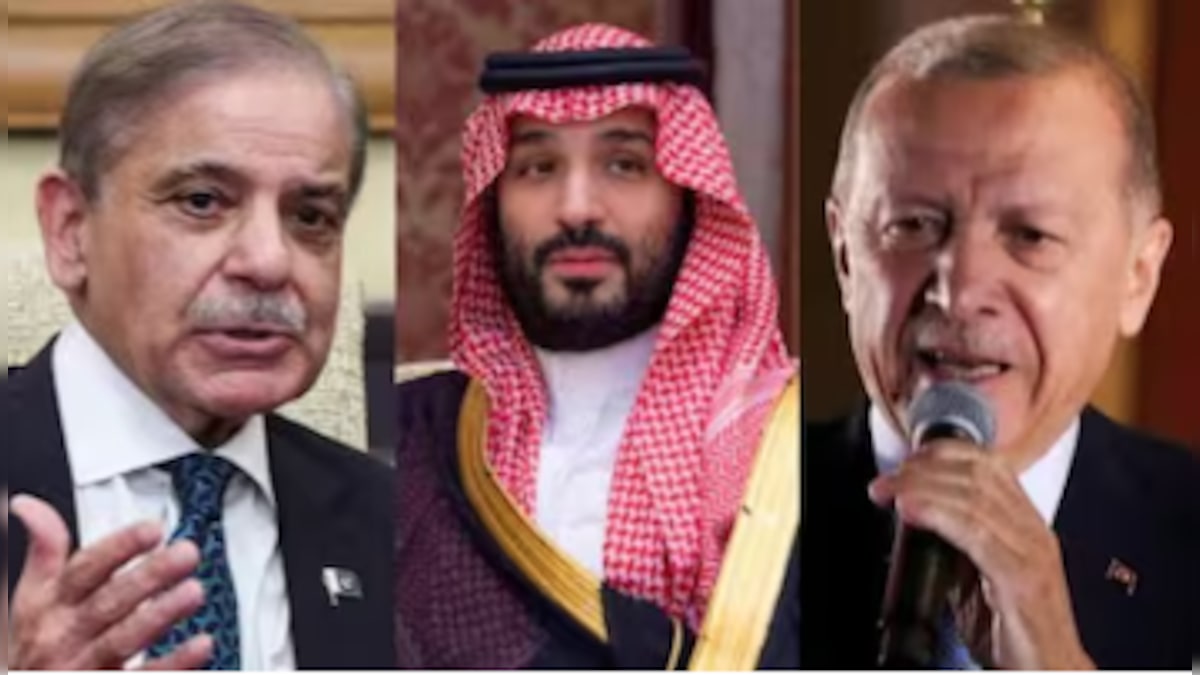
Rumors of a sweeping security overhaul in the Middle East are gaining traction. An invitation for Iran to join the Saudi‑Turkey‑Pakistan‑signed Makkah Joint Defense Pact could reshape regional power balances.
- Iran received a formal invitation to join a proposed ‘Islamic NATO.’
- Its potential entry into the Makkah Pact signals a possible geopolitical realignment.
- Regional actors are seeking security frameworks beyond the traditional US‑led architecture.
Background
On August 7, Saudi Arabia, Turkey and Pakistan signed the Makkah Joint Defense Pact, a treaty aimed at bolstering collective security and providing a counterweight to U.S.‑centric strategies in the Middle East.
Iran’s Possible Participation
According to a report circulated on regional media, Mehdi Rahimi, head of Iran’s official news agency Khaneh Mellat, told Lebanon‑based Al‑Mayadeen that Tehran has received an invitation to join the pact and that the matter is currently under consideration.
Concept of an ‘Islamic NATO’
The term ‘Islamic NATO’ refers to a prospective coalition of Muslim‑majority nations that would combine mutual defence, intelligence sharing and economic cooperation into a unified security apparatus. Iran, Saudi Arabia, Turkey, Pakistan and possibly other states are being discussed as members.
Implications for Regional Power Balance
Should Iran become a member, the traditional U.S.‑led security framework could be challenged. While this may reduce the likelihood of direct conflicts, it could also spawn new rivalries and strategic uncertainties across the region.
Why This Matters
BozokMedia analysis shows that a Tehran‑Saudi‑Turkey‑Pakistan bloc could reshape trade routes, energy security, and diplomatic alignments across Asia, Africa, and Europe, forcing global powers to rethink their Middle East policies.
“Iran’s entry into such a coalition could be a double‑edged sword for regional stability, fostering cooperation while also sparking fresh competition.” – Middle‑East analyst Dr. Ali Hussain
Frequently Asked Questions
Q1: Will Iran’s participation affect U.S. interests in the region?
A: Likely, as it would provide an alternative to the U.S.‑centric security network.
Q2: What economic impact could this alliance have?
A: Greater trade and energy collaboration among members could accelerate regional economic integration.