The Maharashtra government has introduced the Private Coaching Centres (Registration and Regulation) Bill, 2026, aimed at curbing unregulated growth, preventing school-coaching nexuses, and prioritizing student mental health.
- Mandatory registration and renewal for all private coaching institutes.
- Strict ban on the integration of school and coaching centre operations.
- Mandatory weekly offs, mental health counsellors, and limits on teaching hours.
- Prohibition of basement-based operations and enrolment of children under 13.
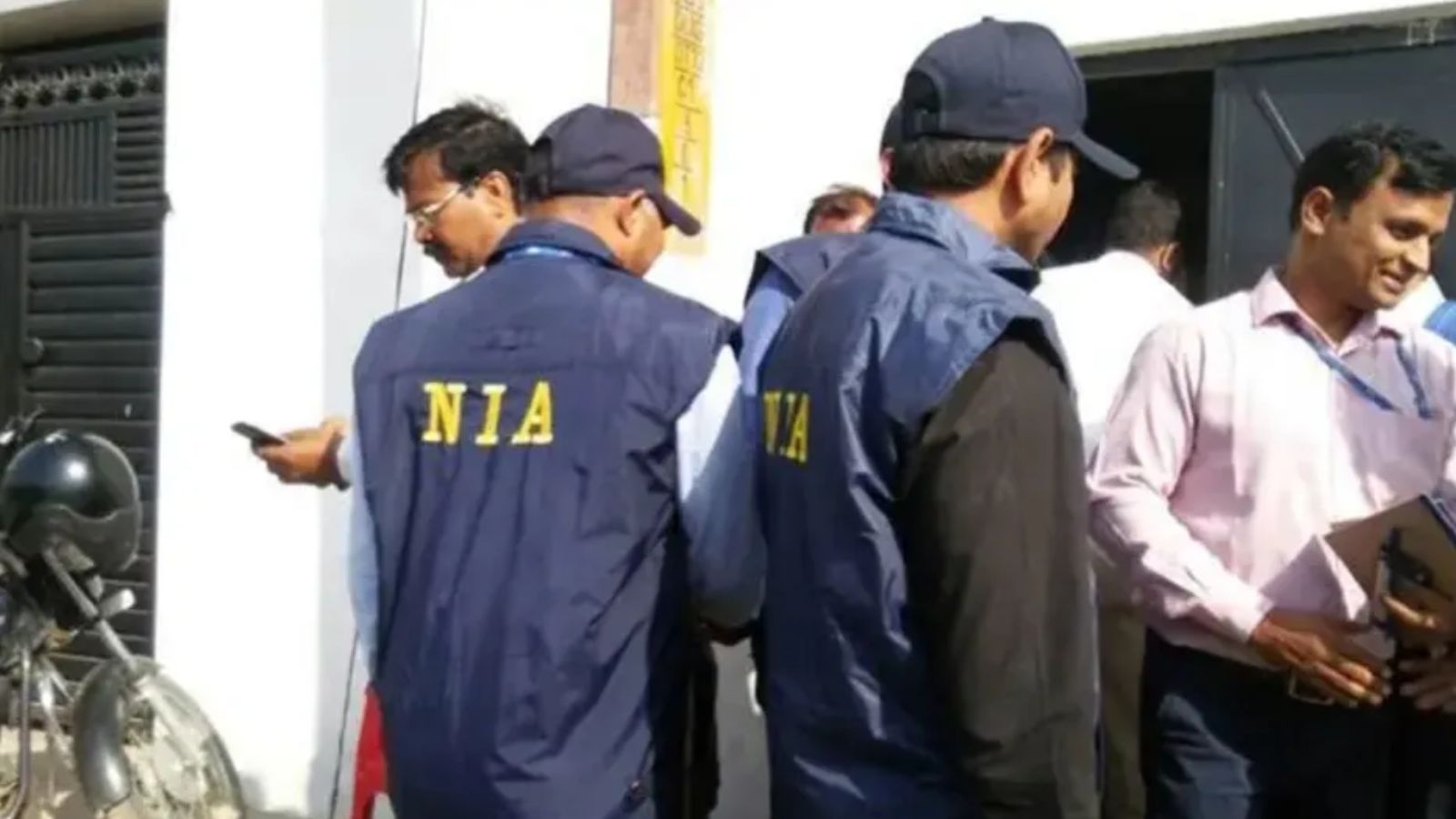
In a decisive move to overhaul the shadow education system, the Maharashtra government has released the Maharashtra Private Coaching Centres (Registration and Regulation) Bill, 2026. The draft bill, released on August 22, comes as a direct response to the systemic failures highlighted by the NEET-UG 2026 paper leak, where high-profile coaching owners were implicated in fraudulent activities.
The primary objective of this legislation is to create a comprehensive framework for registration and regulation. Under the proposed law, any private coaching class with a minimum strength of 25 students must register via an online portal. The bill mandates that tutors must hold at least a graduation degree and prohibits institutes from making misleading promises to lure students.
Why This Matters
BozokMedia analysis shows that the government is attempting to dismantle the 'pressure cooker' environment of competitive exams. By banning merit-based batch segregation and limiting daily teaching hours to five, the state is shifting the focus from rote learning and ranking to holistic student well-being. This marks a transition from a purely commercial model of education to a regulated service model.
The bill introduces stringent infrastructure and safety requirements. Coaching centres will now be required to provide 1 square meter of space per student, valid fire and building safety certificates, and CCTV surveillance with a minimum of one month of footage retention. Financially, the bill protects students by banning mid-course fee hikes and mandating refunds within 10 days of withdrawal.
"Regulating the coaching industry is no longer optional; it is a necessity to prevent the psychological burnout of students and the commercial exploitation of parents."
However, the move has faced fierce backlash from the private coaching institute union, representing approximately 50,000 centres. Union spokesperson Bandopant Bhuyar described the bill as "oppressive," arguing that the heavy fines (ranging from 1 to 5 lakh rupees) for minor violations are unrealistic and could lead to corruption among investigating officers. There are also concerns regarding home-based tutors who may not meet the rigid infrastructural criteria.
Maharashtra joins an increasing number of states taking a stand against the unchecked growth of the coaching industry. Following central guidelines issued in January 2024, states like Haryana, Rajasthan, Assam, and Jharkhand have already implemented similar regulatory frameworks to curb the '100% selection' guarantee claims.
| Feature | Unregulated System | Proposed Regulated System |
|---|---|---|
| Registration | Optional/Non-existent | Mandatory (3-year validity) |
| Fee Structure | Arbitrary hikes allowed | Mid-course hikes prohibited |
| Student Welfare | High stress, no support | Mandatory counsellor & weekly off |
| Infrastructure | Often substandard (Basements) | Strict safety & space norms |
Frequently Asked Questions
1. Does this bill apply to small home-based tuitions?
The bill targets centres with 25 or more students, but the union is seeking further exemptions for homemakers running small-scale classes.
2. What are the penalties for non-compliance?
The draft proposes fines ranging from 1 lakh to 5 lakh rupees depending on the severity of the violation.