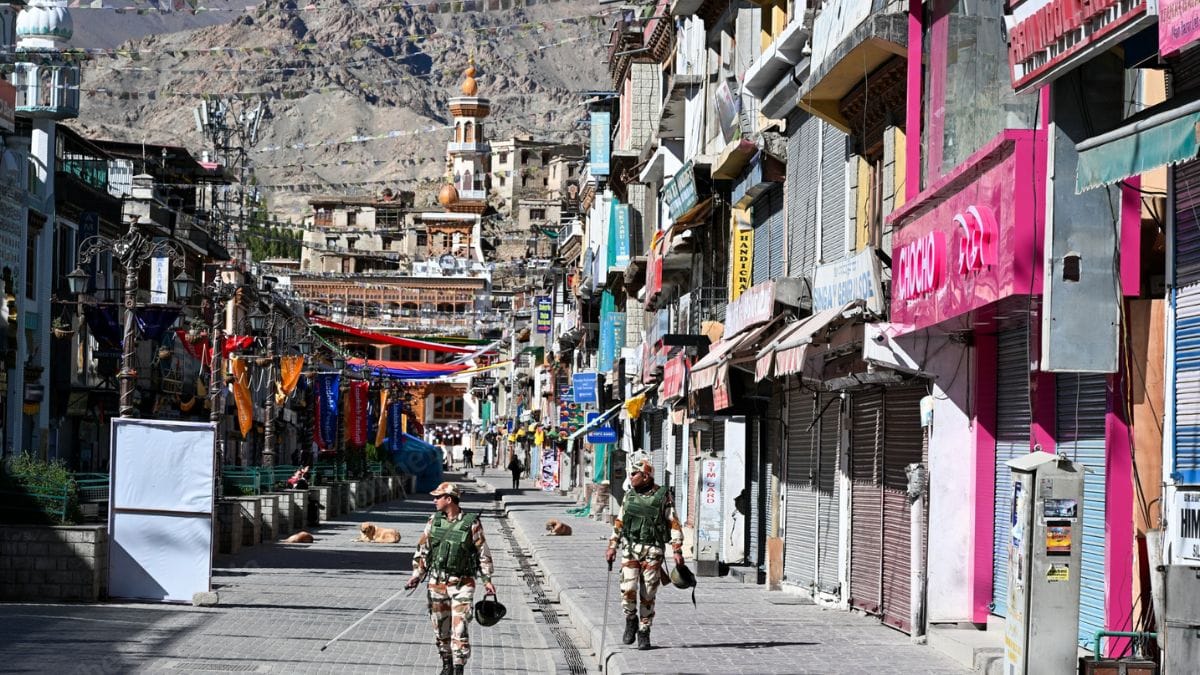
In a preemptive move to maintain law and order, the Ministry of Home Affairs has ordered the deployment of 12 CRPF companies in Ladakh, coinciding with the anniversary of last year's deadly violence.
- The MHA has ordered 12 CRPF companies to be deployed in Ladakh from August 31 to September 30.
- The deployment includes two specialized units from the Rapid Action Force (RAF).
- The move comes ahead of the first anniversary of the September 24 violence that killed four locals.
- Local groups like the Leh Apex Body (LAB) are observing 'Martyrs' Month' to demand justice.
New Delhi: The Ministry of Home Affairs (MHA) has directed the deployment of a dozen Central Reserve Police Force (CRPF) companies across the Union Territory of Ladakh starting August 31. This month-long deployment is seen as a strategic measure to prevent any resurgence of violence, marking one year since the tragic clashes in Leh that left four dead and dozens injured.
According to official orders, the deployment includes two companies from the Rapid Action Force (RAF), the CRPF's specialized anti-riot wing. While police headquarters have characterized the move as "routine" for law and order duties in newly created districts, administration sources suggest it is a "precautionary move" due to lingering resentment over unfulfilled compensation promises for the victims of the 2025 violence.
Why This Matters
BozokMedia analysis shows that Ladakh's unique geopolitical position—bordering China and facing internal civil unrest—requires a delicate balance of security and diplomacy. The deployment highlights the fragility of the current peace and the high stakes involved in the region's demand for constitutional protections.
The surge in security forces is a clear indicator that the central government is bracing for potential unrest as local movements gain momentum during the anniversary of the Leh violence.
The tension in the region stems from the ongoing agitation led by the Leh Apex Body (LAB) and the Kargil Democratic Alliance (KDA). These groups are demanding statehood for Ladakh and inclusion under the Sixth Schedule of the Indian Constitution to protect tribal identity and land rights. The movement gained global attention through the activism of Sonam Wangchuk, who was previously detained under the National Security Act (NSA) during his hunger strikes.
Historical Background
Since its creation as a Union Territory in 2019, Ladakh has faced significant political shifts. The transition from being part of Jammu and Kashmir to a UT without a legislature has fueled local fears regarding demographic changes and loss of political autonomy. This has led to a sustained period of protests and demands for greater local governance.
Frequently Asked Questions
1. Why is the CRPF being deployed specifically in August/September?
The deployment coincides with the first anniversary of the September 24 violence, a period when local groups are expected to hold significant protests.
2. What are the main demands of the Ladakh protesters?
The primary demands include statehood for Ladakh, inclusion in the Sixth Schedule, and an elected assembly with a Chief Minister.