Bihar’s political landscape heats up as the renewal of the Farakka water treaty approaches, sparking a fierce battle between the ruling JD(U) and the opposition RJD. Both parties trade accusations against Lalu Prasad Yadav and the central government, while farmers and water‑resource stakeholders brace for impact.
- 2026 deadline for Farakka treaty renewal ignites RJD‑JD(U) confrontation.
- JD(U) brands Lalu Prasad Yadav as the treaty’s failure.
- RJD accuses JD(U) leaders of misleading the public and demands Bihar’s stakeholder status.
Bihar’s political arena is ablaze this month over the impending renewal of the Farakka water treaty, which is set to expire in December 2026. The treaty, governing water sharing between India and Bangladesh, has become a flashpoint for the state’s two major parties – the ruling Janata Dal (United) and the opposition Rashtriya Janata Dal.
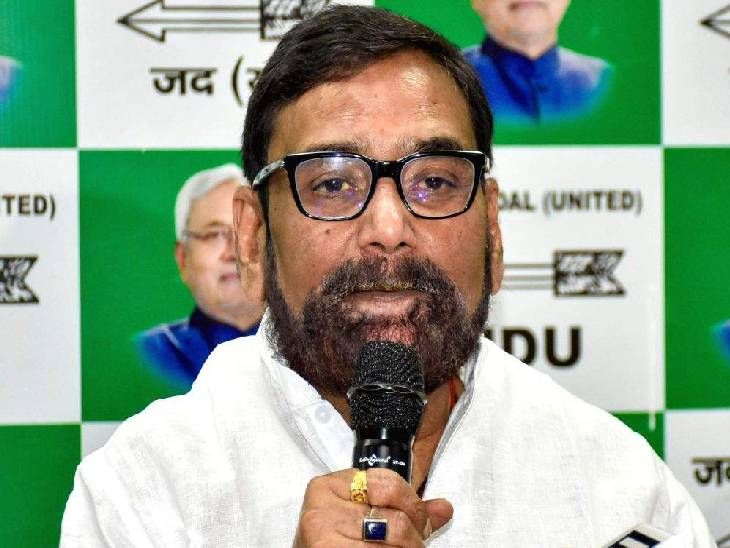
JD(U) national spokesperson Rajiv Ranjan Prasad declared, "The Farakka treaty is Lalu Prasad’s failure," arguing that Lalu’s fear of incarceration during the 1996 agreement prevented him from opposing it. In response, RJD Deputy Chief Minister Vijay Kumar Chaudhary highlighted that Bihar’s interests were ignored during Lalu’s tenure as chief minister and as a supporter of the central government.
RJD MP Sudhakar Singh retaliated, accusing JD(U) leaders of misleading the public and reminding that Lalu and his father Jagdanand had long warned about the treaty’s adverse effects. He urged that Bihar be made a "partner" in the upcoming review meeting to address issues such as soil erosion, reduced water flow, and recurring floods.
Historical Background
The original Farakka treaty was signed in 1996, when Lalu Prasad Yadav served as Bihar’s chief minister and his party backed the central government. The agreement granted Bangladesh a share of the Ganges‑Brahmaputra waters, significantly affecting Bihar’s irrigation, navigation, and flood‑control systems. Over the decades, the treaty’s fairness and impact have been repeatedly questioned, especially concerning downstream water scarcity and agricultural productivity.
Why This Matters
BozokMedia analysis shows that the Farakka treaty debate is not merely a regional water‑sharing issue; it has become a litmus test for political credibility ahead of the next state elections. The way parties position themselves on this matter could reshape voter alliances in Bihar’s agrarian heartland.
"Farakka’s future hinges on a balanced approach that respects both upstream and downstream needs, something Indian politics has historically struggled to achieve," says water‑policy expert Dr. Ananya Sharma.
Frequently Asked Questions
Q1: Could the renewal of the Farakka treaty jeopardize Bihar’s water security?
A1: Experts warn that any new terms set without Bihar’s consent could exacerbate water scarcity and harm the state’s agriculture.
Q2: When will the government discuss a new treaty?
A2: The centre has announced that comprehensive consultations with all stakeholders will conclude by late 2025, aiming for a final decision before December 2026.