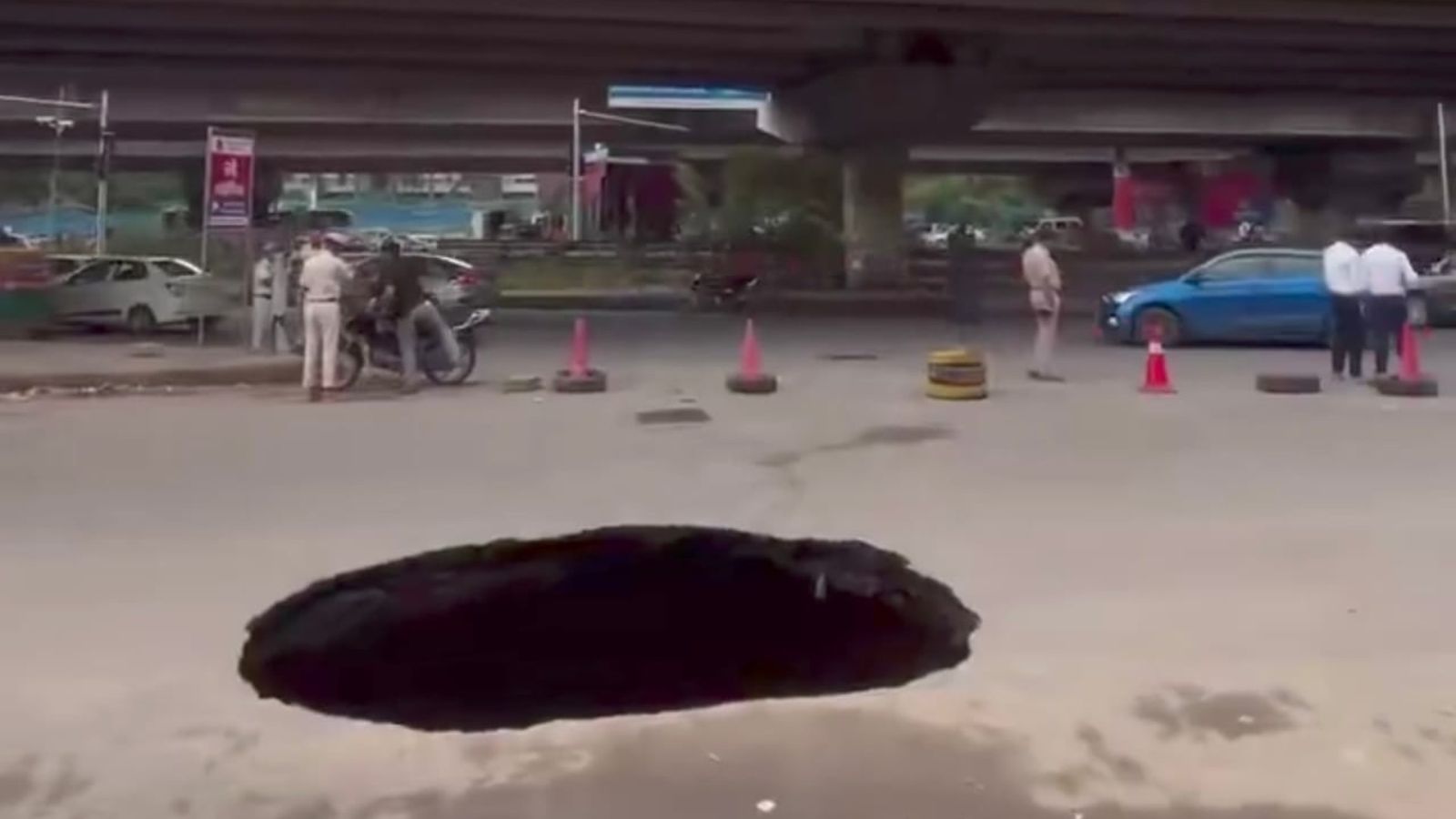
A sudden sinkhole opened on the service lane near IFFCO Chowk on the Delhi‑Gurgaon Expressway, prompting traffic police to block the stretch and divert vehicles. NHAI and GMDA have launched joint stabilization work.
- Sinkhole formed on service road near IFFCO Chowk, Gurgaon
- Traffic police cordoned the area to prevent accidents
- NHAI and GMDA began immediate ground‑stabilization measures
At approximately 3:15 pm on August 25, a deep sinkhole erupted on the service lane adjacent to IFFCO Chowk on the Delhi‑Gurgaon Expressway, creating an immediate hazard for motorists. Gurgaon traffic police swiftly deployed reflective barricades and signage, redirecting traffic away from the compromised section to ensure safety.
Rapid Response from Authorities
Traffic Inspector Mahabir Singh confirmed that the police alerted both the National Highways Authority of India (NHAI) and the Gurugram Metropolitan Development Authority (GMDA). Technical teams from the two agencies arrived on site and, after a preliminary inspection, identified a probable leak from a GMDA sewer line underneath the road as the cause of soil erosion and settlement.
Initial Findings and Action Plan
In a statement posted on X, the NHAI Delhi Regional Office wrote, "A sinkhole has been observed on the LHS service road near IFFCO Chowk. The affected area has been immediately barricaded as a safety measure. Preliminary inspection indicates possible leakage from the GMDA sewer line beneath the location, resulting in soil erosion and road settlement." Both agencies have formed a joint engineering team to commence ground stabilization and sewer repairs.
Recent Flooding Context
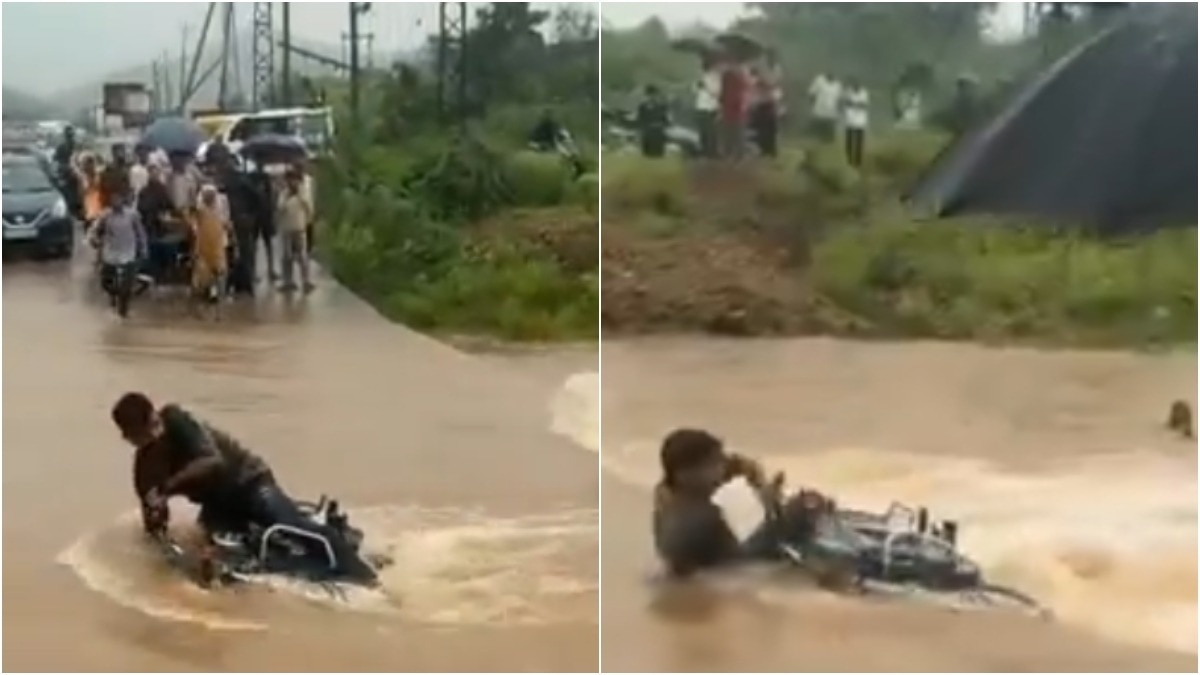
The incident follows a day of severe water‑logging across Gurgaon after 75 mm of heavy rain inundated key arterial corridors, including Subhash Chowk, Rail Vihar, and the expressway. The flooding stranded school buses, forced district administration to issue work‑from‑home advisories, and pushed private schools to shift online.
Infrastructure Challenges Highlighted
Gurgaon’s drainage infrastructure has repeatedly struggled under intense monsoon events. Last month, a similar collapse forced the closure of two lanes on the Narsinghpur section of the same expressway. These recurring failures point to systemic issues in drainage design, maintenance, and inter‑agency coordination.
Why This Matters
BozokMedia analysis shows that recurring sinkholes on major arterial roads not only jeopardize commuter safety but also expose systemic gaps in urban planning, drainage design, and inter‑agency coordination—issues that, if left unresolved, could hamper Gurgaon’s aspirations to become a world‑class smart city.
"The frequency of sinkholes signals a serious lapse in both drainage monitoring and structural oversight," says civil engineer Dr. Anil Shukla.
Frequently Asked Questions
Question 1: Did any vehicle get damaged by the sinkhole?
Answer: No, the timely diversion of traffic prevented any accidents.
Question 2: What long‑term solutions are being considered?
Answer: NHAI and GMDA plan to reconstruct the faulty sewer line, conduct regular geotechnical monitoring, and upgrade the overall drainage network.