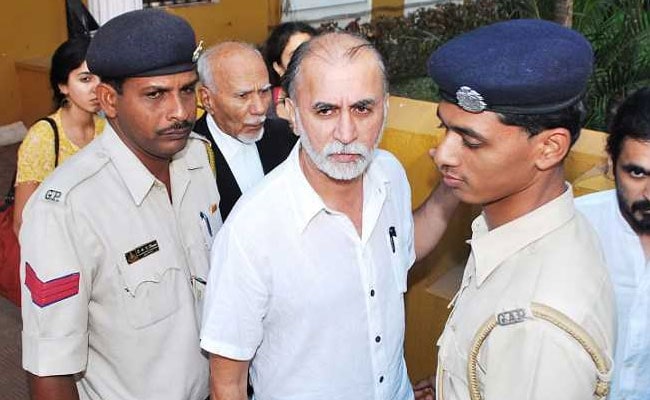
On August 6, the Goa bench of the Bombay High Court sentenced journalist Tarun Tejpal to ten years for a 2013 rape, overturning his 2021 acquittal. The order now compels him to surrender within fourteen days.
- Tarun Tejpal sentenced to 10 years in prison
- Convicted for 2013 rape of former colleague
- 2021 acquittal overturned by court
The Goa bench of the Bombay High Court delivered a landmark verdict on August 6, finding veteran journalist and former magazine founder Tarun Tejpal guilty of raping a former employee in 2013 and imposing a ten‑year custodial sentence. The ruling nullifies the 2021 acquittal and marks a decisive turn in the case.
The allegations first emerged in 2013 when a female employee accused Tejpal of sexual assault. Although the High Court had cleared him in 2021, fresh testimonies and forensic evidence prompted a rehearing, leading to the present conviction.
Judges described the new evidence as “clear and incontrovertible,” justifying the reversal of the earlier verdict. They ordered Tejpal to surrender within two weeks, warning that failure to do so will attract additional penalties.
Historical Background
Tejpal founded Open Magazine in 1995, which grew into a flagship publication in Indian media. After the 2013 allegations, he stepped down from several international media boards, yet the legal battle continued for years.
Why This Matters
BozokMedia analysis shows that this judgment sets a powerful precedent for accountability in Indian journalism, reinforcing ethical standards and underscoring the judiciary’s willingness to confront high‑profile misconduct.
"Strong punitive measures are essential to curb abuse of power in media institutions," says human‑rights scholar Dr. Meena Sharma.
Frequently Asked Questions
Question 1: Can Tejpal still appeal the conviction?
Answer: Yes, he may file an appeal to the Supreme Court, but he must surrender before any further legal relief is considered.
Question 2: What impact will this have on Indian journalism?
Answer: The decision is expected to push media houses toward stricter workplace policies and stronger safeguards against harassment.