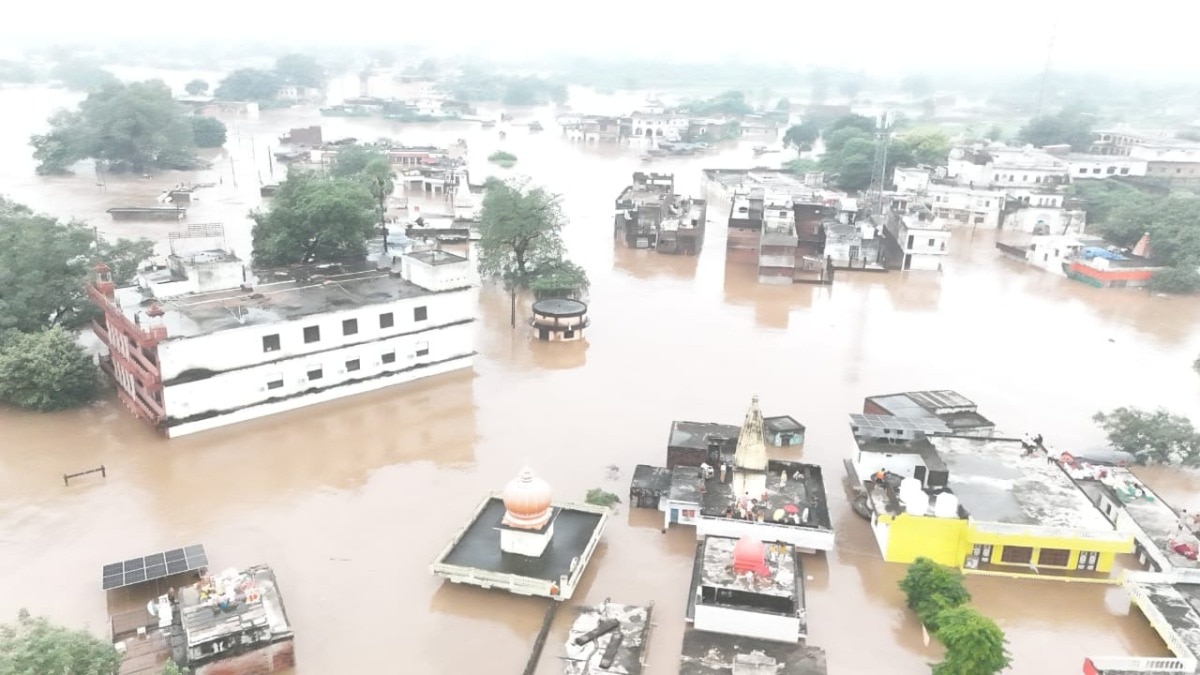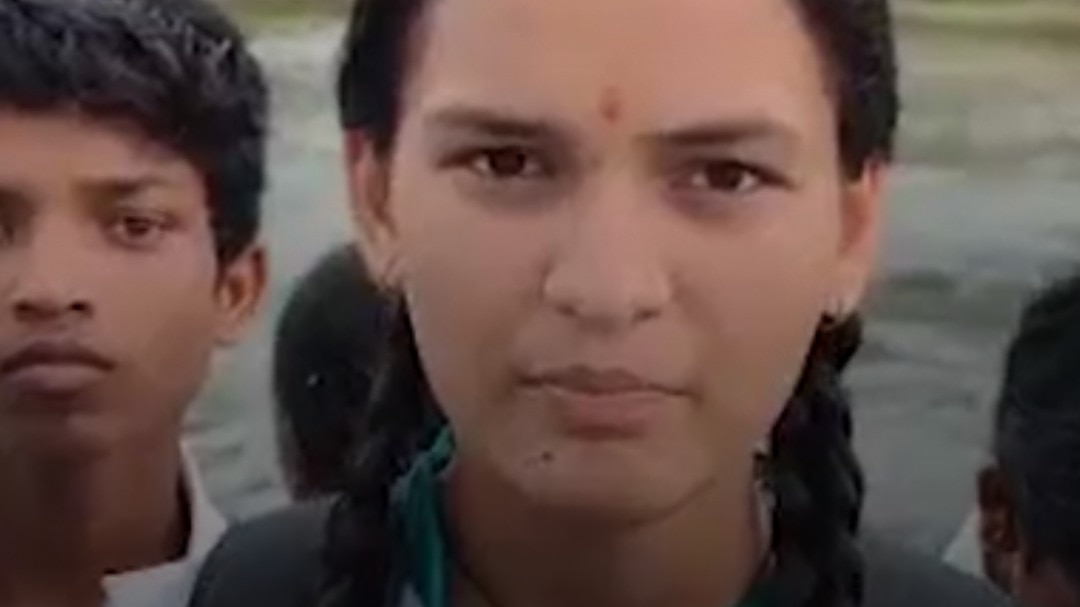
Every day, students in Umaria trek across a fast‑flowing, deep river to attend school, exposing themselves to life‑threatening danger. Inadequate government response has amplified the crisis.
- Umaria children cross a deep river daily to attend school
- Risk spikes during monsoon season
- Government assistance remains insufficient
In the central Indian district of Umaria, dozens of rural pupils must wade through a deep, swift‑moving river each morning to reach their classroom. No bridge or safe crossing exists, turning a simple commute into a daily life‑or‑death gamble.
Situation Overview
Local reports indicate the river can reach depths of 3‑4 metres, with currents intensifying during the monsoon. Children often resort to makeshift rafts or wooden planks, but many attempts end in near‑drowning incidents.
Government Response
District officials acknowledge the problem and claim to be drafting a solution, yet budget constraints and technical hurdles have stalled concrete action. A few NGOs have installed temporary floating bridges, but these are viewed as stop‑gap measures rather than permanent fixes.
Why This Matters
BozokMedia analysis shows that educational disruption caused by unsafe commutes not only lowers attendance rates but also hampers long‑term human capital development in rural India. If unaddressed, the cycle of poverty and low literacy will continue to expand.
"The right to education is incomplete without safe access," says education expert Dr. Ajay Singh.
Frequently Asked Questions
Q1: Is there a government plan to fix this?
A: No comprehensive scheme has been approved yet, though discussions on interim measures are underway at the local level.
Q2: Why do families accept such danger?
A: Limited alternatives, economic pressures, and the value placed on education compel families to take the risk.