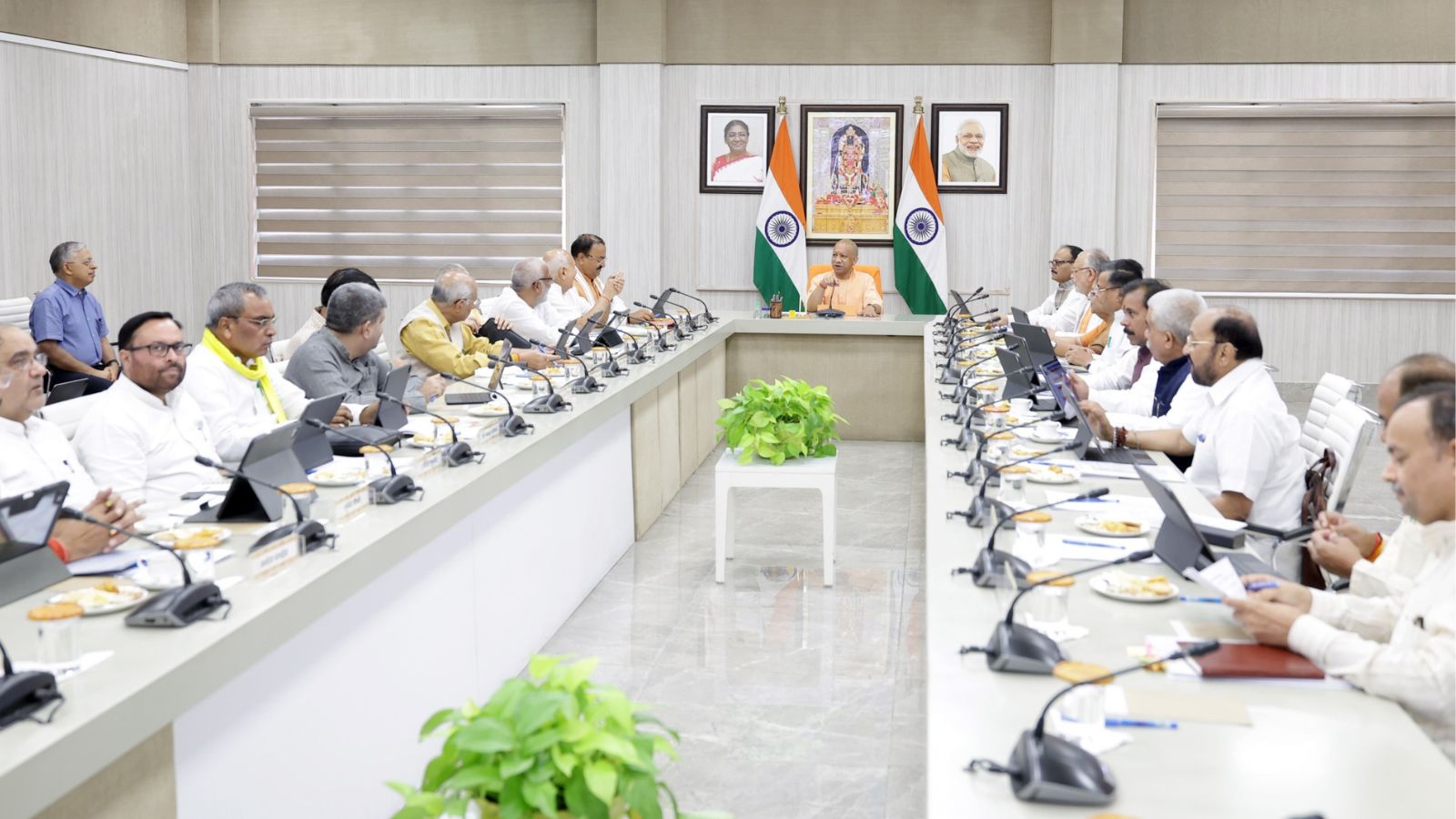
The Uttar Pradesh Cabinet has approved crucial amendments to the 2014 Maintenance and Welfare of Parents and Senior Citizens Rules, making disinheritance a time-bound process.
- Parents can effectively disinherit children who neglect or abuse them.
- The disinheritance procedure is now time-bound for faster resolution.
- A dedicated toll-free number will be launched for immediate assistance.
- District Magistrates will submit monthly reports on such cases.
Lucknow: In a significant move to protect the elderly, the Uttar Pradesh Cabinet on Tuesday approved an amendment to the Uttar Pradesh Maintenance and Welfare of Parents and Senior Citizens Rules, 2014. This amendment empowers parents to legally disinherit their children if they fail to provide proper care or subject them to any form of abuse.
Finance Minister Suresh Khanna announced that the amendment aims to ensure a dignified life for senior citizens by strengthening their legal rights. The new provisions make the disinheritance process clearer and strictly time-bound to prevent long-drawn legal battles.
Why This Matters
BozokMedia analysis shows that this legislative shift addresses a growing social concern regarding the abandonment of the elderly in urbanizing societies. By providing a streamlined legal mechanism, the state is effectively creating a deterrent against elder abuse and neglect within the family unit.
This amendment transforms the concept of inheritance from a mere legal transfer to a tool for ensuring familial accountability.
Under the new framework, senior citizens can lodge complaints directly with the District Magistrate. To ensure accountability, the DM will be required to submit a monthly report of all such cases to the state government. Furthermore, the government has mandated that all such complaints must be heard and addressed within a 30-day window. A dedicated toll-free number will also be introduced to provide prompt assistance to parents in distress.
Strengthening the Judicial Framework
Parallel to the social welfare measures, the Cabinet also approved the draft of the Allahabad High Court (Court Managers Centralized Service) Rules, 2026. This move is designed to streamline the administrative and managerial functions of the state's judicial system.
As part of this arrangement, 81 court managers will be appointed across the High Court and various district courts. Their roles will involve managing human resources, infrastructure, and case-flow to reduce the administrative burden on judges. The revised pay scale for these managers has been set between Rs 56,100 and Rs 1,77,500.
| Feature | Old Provision | New Amendment |
|---|---|---|
| Disinheritance Process | Non-specific/Lengthy | Time-bound and Clearer |
| Grievance Redressal | General channelsDedicated Toll Number & DM Oversight||
| Resolution Timeline | Uncertain | Within 30 Days |
Frequently Asked Questions
1. How can a senior citizen file a complaint under the new rules?
They can approach the District Magistrate or call the upcoming government-mandated toll-free assistance number.
2. What is the role of the District Magistrate in these cases?
The DM oversees the complaints and is required to submit a monthly progress report to the state government.
