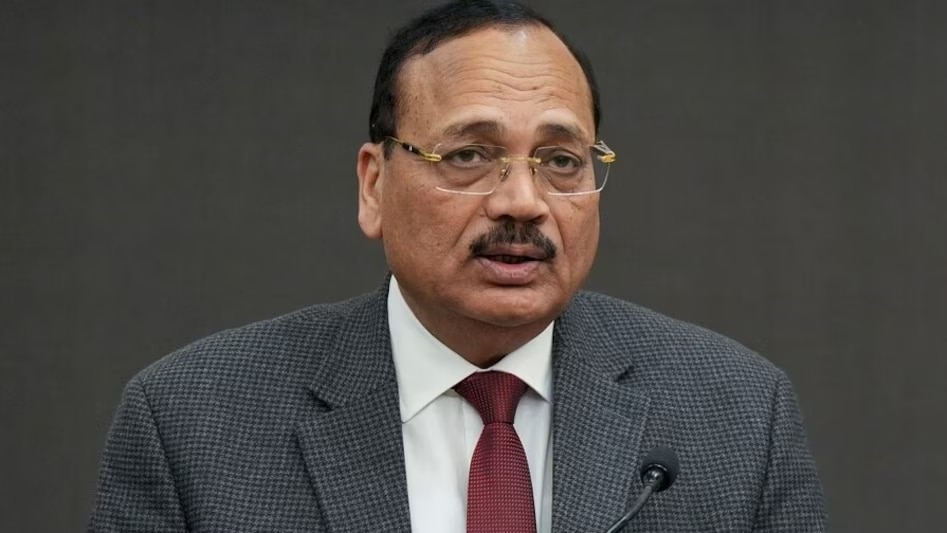
Chief Justice of India Surya Kant has emphasized that allegations against sitting judges must be addressed through established institutional mechanisms rather than public or media debate.
- CJI Surya Kant rejected the idea of adjudicating judicial misconduct through media claims.
- The controversy involves allegations by Justice Sandeep Mehta against Rajasthan HC Acting CJ Sanjeev Prakash Sharma.
- A fair hearing for both parties is mandatory before any administrative action is taken.
Chief Justice of India (CJI) Surya Kant stated on Wednesday that allegations against a sitting judge must be dealt with strictly through established institutional mechanisms. He underscored that the Supreme Court cannot allow individual complaints concerning judges to be determined through competing claims in the media, asserting that such matters should not be adjudicated in the public domain.
This significant statement comes in the wake of a controversy involving Justice Sandeep Mehta, a Supreme Court judge, who raised serious concerns regarding the functioning of the Rajasthan High Court. In multiple letters sent in August, Justice Mehta flagged issues concerning the Acting Chief Justice of the Rajasthan High Court, Justice Sanjeev Prakash Sharma.
Why This Matters
BozokMedia analysis shows that this situation tests the resilience of India's judicial administrative framework. As the judiciary faces increasing scrutiny, the tension between public transparency and institutional confidentiality becomes paramount. The CJI's intervention aims to protect the sanctity of the bench from the volatility of public opinion and media-driven narratives.
The integrity of the judiciary relies on procedural rigor; allowing media narratives to dictate judicial outcomes would undermine the rule of law.
According to the reports, Justice Mehta's letters alleged instances of maladministration, favoritism, nepotism, and the misuse of administrative powers by Justice Sharma. Specifically, the letters highlighted concerns regarding the transfer of cases from other benches to the Acting Chief Justice's court and the overall administration of the subordinate judiciary in Rajasthan.
The CJI clarified that the mere existence of allegations does not constitute a finding of guilt. He emphasized that the Supreme Court Collegium is already working on judicial appointments and that the issues flagged by Justice Mehta are being examined at the appropriate level. Any decision regarding the continuation or transfer of the Acting Chief Justice will follow a thorough review of both Justice Mehta's material and Justice Sharma's response.
Historical Background
The process for investigating judicial misconduct in India is rigorous to ensure independence. While the Chief Justice of India plays a pivotal role in the Collegium system for appointments and transfers, allegations of serious misconduct often require high-level inquiries to maintain the impartiality of the higher judiciary. The Rajasthan High Court has seen administrative shifts following the retirement of former Chief Justice S. Shriram in September 2025.
Frequently Asked Questions
Question 1: What are the specific allegations made by Justice Sandeep Mehta?
Answer: He alleged maladministration, nepotism, and the misuse of administrative powers within the Rajasthan High Court.
Question 2: How will the Supreme Court resolve this matter?
Answer: The matter will be examined through institutional processes, considering all evidence provided by both the complainant and the accused judge.