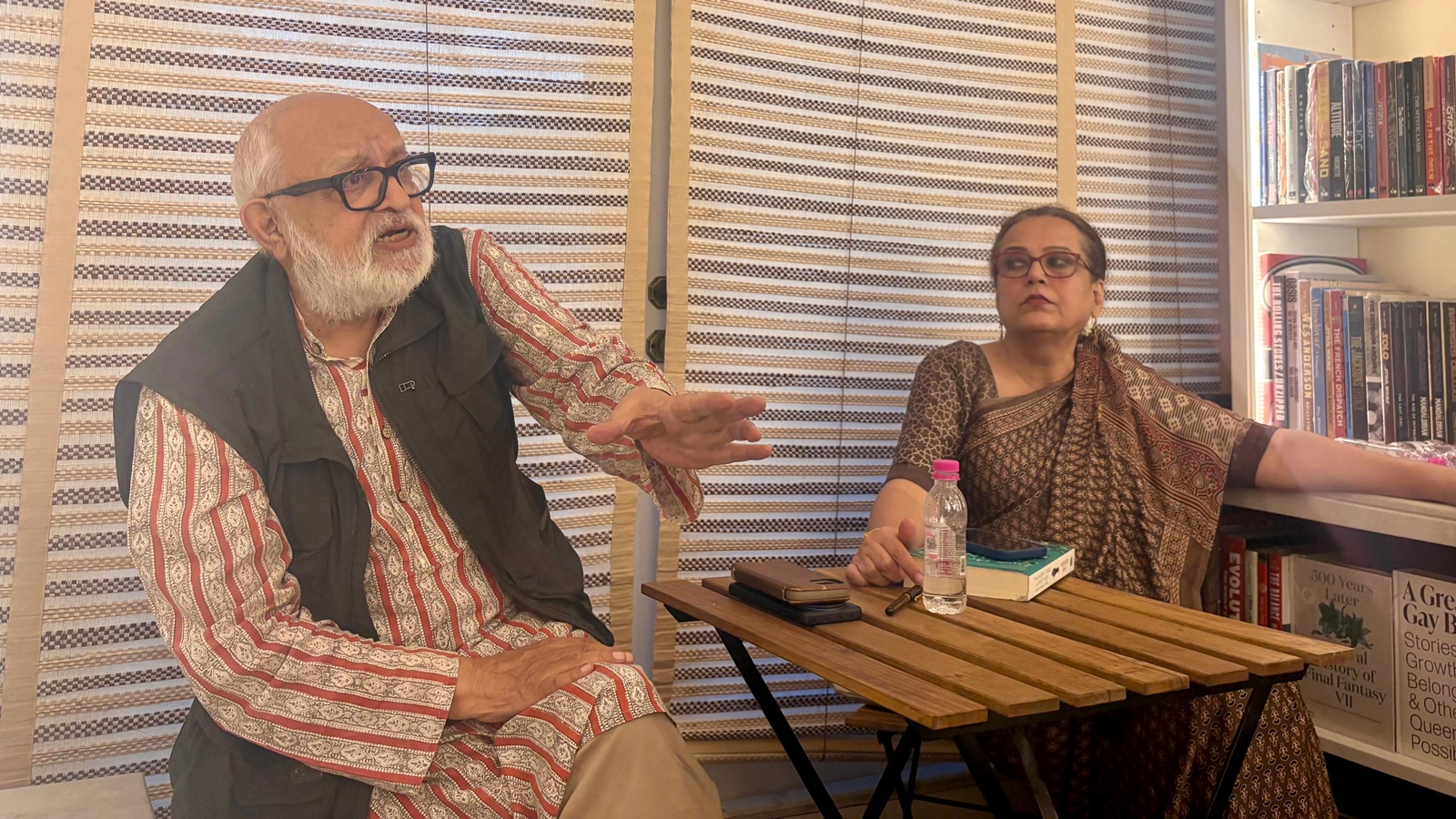
Food critic Pushpesh Pant and historian Rakhshanda Jalil explore the intersection of culinary evolution, migration, and the shifting identity of Delhi in an intimate discussion.
- Climate change and urbanization are erasing the concept of seasonal eating in Delhi.
- The identity of an 'asli Dilliwala' (real Delhiite) is fluid and shaped by continuous waves of migration.
- Food serves as a living archive of Delhi's complex history and refugee heritage.
In the quiet corners of the CMYK bookstore in Meherchand Market, a profound conversation unfolded. Renowned food critic and historian Pushpesh Pant sat down with literary historian Rakhshanda Jalil to discuss more than just recipes. They delved into the very soul of a changing metropolis, centered around Pant's 2024 book, 'From The King’s Table to Street Food: A Food History of Delhi'.
The discussion began with the humble samosa, serving as a metaphor for the loss of seasonality. Pant observed that the 'taasir'—the inherent nutritional and elemental property of food—is being lost. In the past, food followed the rhythm of the seasons: corn in the monsoon, peas in the winter. Today, driven by climate change and a globalized supply chain, food is available year-round, but its soul and connection to the natural calendar have withered.
Why This Matters
BozokMedia analysis shows that the homogenization of food patterns in urban centers like Delhi is a direct consequence of ecological shifts. When we lose the distinction between seasonal flavors, we lose a vital link to our environmental heritage and traditional wellness practices.
Food is not just about what tickles the tongue, but what it does to the system and the soul.
The dialogue also touched upon the complexities of modern social sensibilities. Pant recounted the story of 'Habshi Halwa,' illustrating the tension between historical etymology and contemporary political correctness. This segment highlighted how language evolves and how different generations interpret the same cultural markers through vastly different lenses.
Perhaps the most poignant theme was the question of identity: Who is a 'real' Delhiite? Pant argued that Delhi is fundamentally a city of refugees. He cited Lajpat Nagar as a prime example—originally settled by Punjabi refugees after Partition, it has now become a vibrant hub for Afghan migrants. Interestingly, the cultures blend; Afghan kitchens in these areas now offer paneer to accommodate the vegetarian preferences established by the previous wave of settlers.
Delhi, Pant suggests, is a city of layers. It is not a static entity but a continuous process of layering, where every new wave of migration adds a new flavor to the existing culinary and social fabric.
Frequently Asked Questions
1. What is the central theme of Pushpesh Pant's book?
The book traces the culinary evolution of Delhi, from royal banquets to the vibrant street food culture found today.
2. How has climate change affected Delhi's food culture?
It has disrupted the traditional seasonal availability of ingredients, leading to a loss of 'taasir' or the natural properties of seasonal food.